
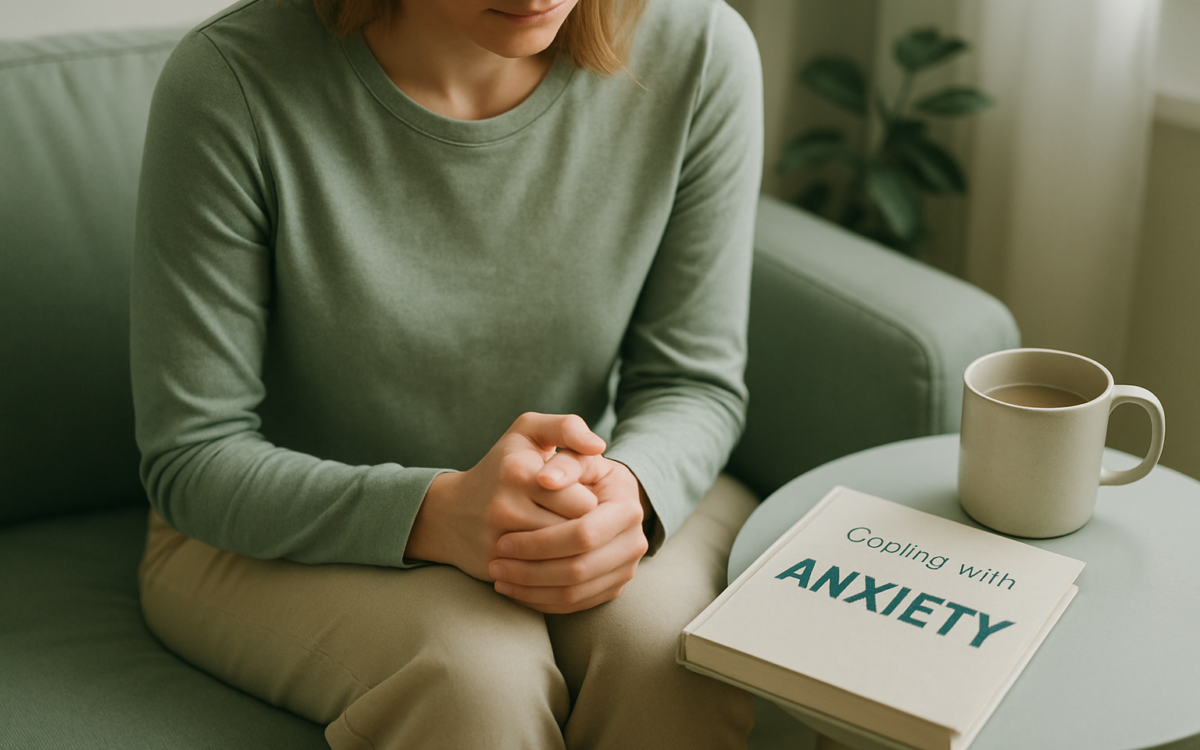
Anxiety is a common experience that affects many people at different points in their lives. Whether it’s caused by work pressures, personal issues, or just the uncertainties of life, it can sometimes feel overwhelming. Fortunately, there are effective strategies that can help you cope with anxiety and create a more balanced emotional state.
Understanding Anxiety
Before we can find ways to cope with anxiety, it’s crucial to understand what it is. Anxiety is the body’s natural response to stress, and it can manifest as worry, fear, or apprehension. According to the National Institute of Mental Health (NIMH), anxiety disorders are the most common mental health disorders in the U.S.
Identifying Your Triggers
Understanding what triggers your anxiety can help you approach it effectively. Triggers can be anything from specific situations or events to certain thoughts or even social interactions. By keeping a journal or making notes about your feelings, you can identify patterns and themes.
Here are some common triggers:
- Work-related stress
- Social situations
- Health concerns
- Financial worries
- Traumatic experiences
Simple Breathing Techniques
One of the quickest ways to calm your anxiety in the moment is through deep breathing. Practicing deep, intentional breathing can help activate your parasympathetic nervous system, which reduces stress. Try this simple technique:
- Find a comfortable seated position.
- Inhale slowly through your nose for a count of four.
- Hold your breath for a count of four.
- Exhale slowly through your mouth for a count of four.
- Repeat this process for a few minutes.
Deep breathing can clear your mind and ease your tension, helping you regain your focus.
Incorporating Mindfulness Practices
Mindfulness is the practice of being present in the moment without judgment. It has been shown to reduce anxiety by encouraging a focus on the here and now rather than worrying about what could go wrong. The World Health Organization (WHO) supports mindfulness as an effective component of mental health care.
Here are some mindfulness practices you can try:
- Meditation: Spend a few minutes each day sitting quietly and focusing on your breath.
- Yoga: Incorporate gentle movement and breathwork into your routine.
- Gratitude journaling: Write down three things you’re grateful for each day to shift your perspective.
Staying Active
Physical activity is not only beneficial for your body but also your mind. Exercise releases endorphins, which are hormones that can improve your mood. According to the Centers for Disease Control and Prevention (CDC), just 30 minutes of moderate exercise most days can significantly reduce symptoms of anxiety.
Consider finding an activity you enjoy, such as:
- Walking or jogging
- Swimming
- Dancing
- Cycling
- Group fitness classes
Making movement a regular part of your life can help alleviate feelings of anxiety over time.
Seeking Support
Connecting with others who understand what you are going through can provide comfort and coping strategies. Whether it’s friends, family, or support groups, sharing your feelings can alleviate some of the burdens of anxiety. Online forums and communities can also be great resources.
Additionally, if you find your anxiety is affecting your daily life, consider speaking with a mental health professional. Therapy options like cognitive-behavioral therapy (CBT) are effective in treating anxiety and can provide you with personalized coping strategies.
When to See a Doctor
If your anxiety feels overwhelming or is interfering with your daily activities, it may be time to consult a healthcare professional. Signs that you may want to reach out include:
- Persistent worry that does not seem to go away
- Difficulty concentrating or completing tasks
- Physical symptoms such as rapid heartbeat or insomnia
- Substance use as a way to cope
Only a qualified professional can provide individualized advice and treatment options.
Conclusion
Coping with anxiety is a journey that requires patience and self-compassion. By understanding your triggers, practicing mindfulness, incorporating regular physical activity, and reaching out for support, you can cultivate resilience against anxiety. Remember, it’s okay to seek help, and taking the first step can lead to a better state of mental well-being.
