
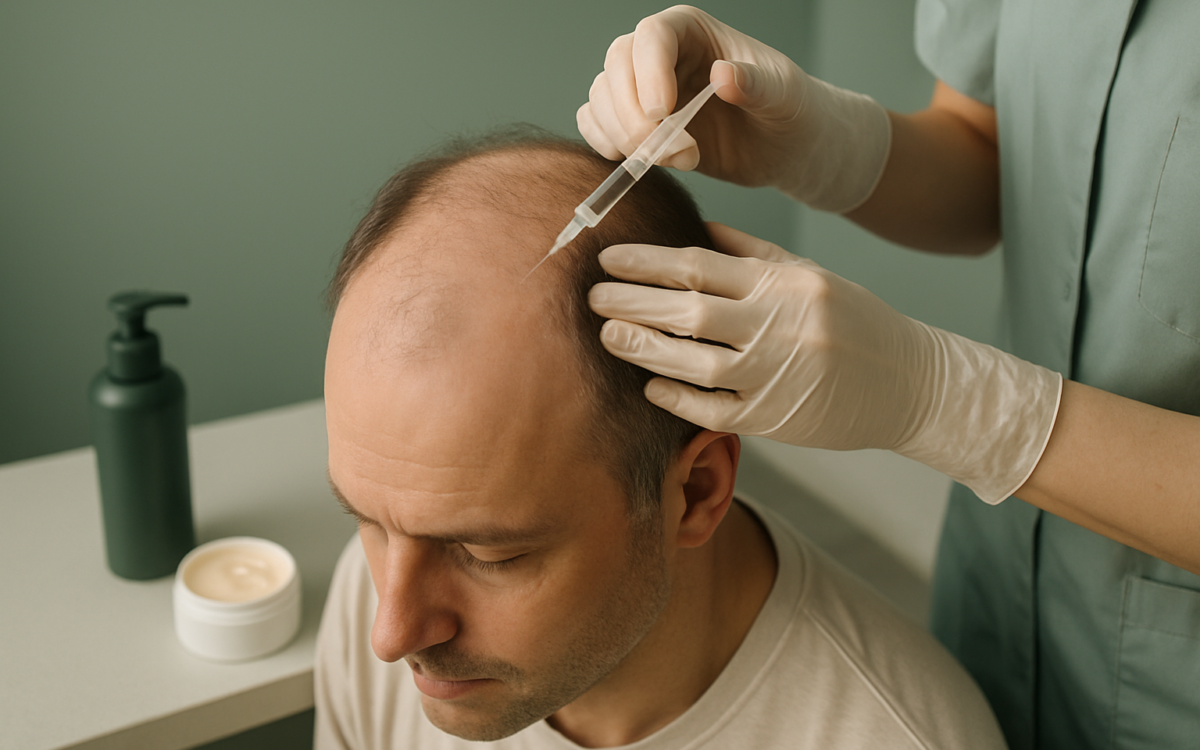
For many men, hair loss is a common and often distressing experience. Whether it starts in your twenties or later, thinning hair can affect self-esteem and overall happiness. Fortunately, several treatment options are available that can help manage male pattern baldness and other types of hair loss. In this article, we’ll explore the most effective treatments that may suit your needs and lifestyle.
Understanding Hair Loss in Men
Hair loss can occur for various reasons, with male pattern baldness (androgenetic alopecia) being the most prevalent. This hereditary condition affects a significant number of men, often beginning with a receding hairline or thinning crown. Other factors contributing to hair loss include stress, hormonal changes, diet, and certain medical conditions.
Medications for Hair Loss
When it comes to treating hair loss, medications are often the first line of defense. Two of the most common options are Minoxidil and Finasteride.
Minoxidil
Minoxidil is a topical solution that can stimulate hair growth. It is available over the counter and can be applied directly to the scalp twice daily. Studies have shown that Minoxidil can be effective in promoting hair regrowth for many men, especially those in the early stages of hair loss. The National Institutes of Health notes that it can improve hair density and thickness over time (NIH).
Finasteride
Finasteride is a prescription medication that works by blocking the hormone responsible for hair loss. It is taken orally and is shown to be effective in reducing hair loss and promoting regrowth. Clinical studies indicate that many men experience significant improvement in hair growth after using Finasteride for six months to a year. However, it’s important to discuss potential side effects with your doctor as they can include sexual dysfunction and mood changes.
Natural Remedies and Lifestyle Changes
In addition to medications, various natural remedies and lifestyle changes can support hair health. While research is more limited in this area, some options may help slow hair loss or promote regrowth.
Scalp Massage
Regular scalp massages may help stimulate blood circulation to the hair follicles. While studies are limited, some anecdotal evidence suggests that this simple practice could promote hair growth.
Diet and Nutrition
Eating a well-balanced diet rich in vitamins and minerals can significantly impact hair health. Nutrients such as iron, protein, Vitamin D, and Omega-3 fatty acids play a crucial role in strengthening hair follicles. Foods like leafy greens, nuts, seeds, fish, and lean meat can contribute to healthier hair.
Supplements
Some men explore dietary supplements to support hair growth, with biotin and saw palmetto being popular choices. Biotin is a B vitamin that may improve hair strength, while saw palmetto is believed to potentially inhibit hair loss. However, it’s important to discuss any supplements with a healthcare provider before starting them.
Techniques for Managing Hair Loss
Sometimes, managing the appearance of thinning hair can be just as important as treating the underlying causes. Here are a few techniques that can help.
Hairstyles
Choosing the right haircut can make a significant difference in how your hair looks. Shorter styles can often camouflage thinning areas, while longer hair can weigh down hair and make thinning more obvious. Consulting with a stylist experienced in working with thinning hair might provide valuable insights.
Hairpieces and Toppers
For men with significant hair loss, hairpieces and toppers provide a non-surgical solution. Modern options are made to look natural and are available in various styles. They can be a great way to regain confidence without committing to permanent hair restoration solutions.
Hair Transplants
If other treatments do not yield results, hair transplants are a surgical option that many men consider. This procedure involves moving hair follicles from a denser area to balding spots. While effective, it can be costly and requires careful consideration and consultation with a specialist.
When to See a Doctor
If you’re experiencing sudden or patchy hair loss, it’s essential to consult a healthcare provider. They can help determine the underlying cause, whether it’s related to a medical condition, medication, or another issue. Early intervention can often lead to better outcomes.
Conclusion
Hair loss can be a challenging experience for many men, but the good news is that there are various treatment options available. Whether you opt for medications like Minoxidil and Finasteride, embrace natural remedies and lifestyle changes, or choose to manage your appearance with hairpieces or transplants, the path to managing hair loss is more accessible than ever. Always consult with a healthcare provider to discuss the best options for your specific situation, ensuring that your treatment plan is tailored to your needs.
