
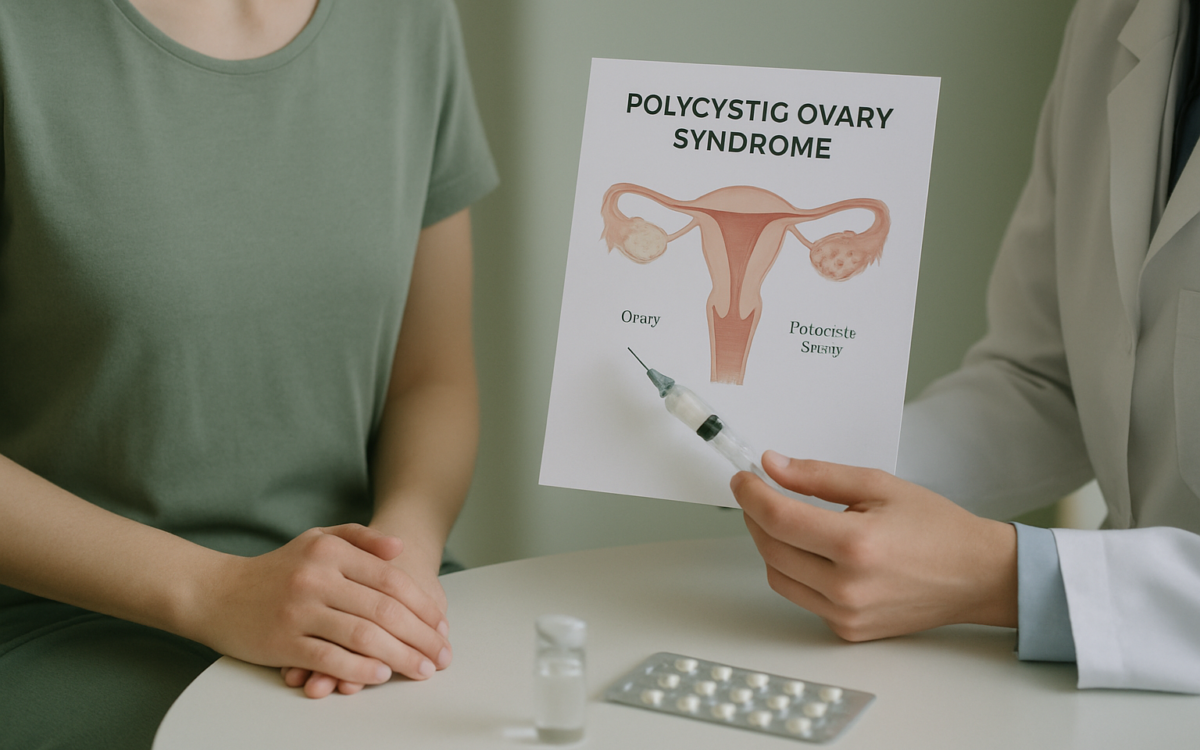
Polycystic Ovary Syndrome (PCOS) is a common hormonal disorder that affects many women of childbearing age. One of the most challenging aspects of PCOS can be its impact on fertility. Women with PCOS often face difficulty in getting pregnant due to irregular ovulation or anovulation (not ovulating). However, the good news is that many effective treatments are available. Understanding your options is the first step in managing PCOS-related infertility.
Understanding PCOS and Infertility
PCOS is characterized by hormonal imbalances, irregular menstrual cycles, and often, the presence of cysts on the ovaries. These cysts are small, fluid-filled sacs that can disrupt normal ovarian function. This condition can lead to various complications, including difficulty in conception.
Infertility in women with PCOS is primarily due to anovulation. Without regular ovulation, the chances of pregnancy are significantly reduced. Recognizing the signs of PCOS and their impact on fertility is crucial. Common signs of PCOS include:
- Irregular or missed periods
- Excess hair growth (hirsutism)
- Acne and oily skin
- Weight gain
- Thinning hair on the scalp
Lifestyle Changes for Managing PCOS
Before diving into medical treatments, many healthcare providers recommend lifestyle changes as the first step. These changes can significantly improve insulin sensitivity, hormonal balance, and overall health, which in turn may enhance fertility.
Diet and Nutrition
A balanced diet can help manage weight and improve hormonal health. Consider focusing on the following:
- Whole grains, fruits, vegetables, and lean proteins
- Low glycemic index foods to help regulate blood sugar levels
- Avoiding processed foods high in refined sugars and unhealthy fats
Regular Exercise
Exercising regularly not only aids in weight management but can also help lower insulin resistance and regulate menstrual cycles. Aim for at least 150 minutes of moderate aerobic activity each week, such as walking or cycling. Strength training is also beneficial.
Medical Treatments for PCOS-Related Infertility
If lifestyle changes alone do not lead to improved fertility, several medical treatments can be effective. These options are usually personalized based on individual health status and fertility goals.
Medications for Ovulation Induction
One of the most common treatments for infertility in women with PCOS is ovulation induction with medications. The following are widely used:
- Clomiphene Citrate (Clomid): This oral medication stimulates the ovaries to produce eggs. It is usually the first-line treatment for PCOS-related infertility.
- Letrozole (Femara): Originally a breast cancer treatment, letrozole has been found effective in inducing ovulation in women with PCOS, and it may have fewer side effects than Clomid.
Intrauterine Insemination (IUI)
If oral medications do not lead to pregnancy within a few cycles, more advanced treatments such as Intrauterine Insemination (IUI) may be recommended. In this procedure, sperm is placed directly into the uterus around the time of ovulation, increasing the chances of conception.
Assisted Reproductive Technologies (ART)
For women who do not respond to other treatments, Assisted Reproductive Technologies (ART) like In Vitro Fertilization (IVF) may be considered. IVF involves retrieving eggs, fertilizing them in a lab, and implanting embryos into the uterus.
Complementary Therapies
Many women with PCOS find relief and improved fertility outcomes through complementary therapies. While they may not replace traditional treatments, they can be a helpful addition:
- Acupuncture: Some studies suggest that acupuncture may help regulate menstrual cycles and improve ovulation, though more research is needed.
- Supplementation: Certain supplements, such as inositol, have shown promise in improving insulin sensitivity and ovarian function.
Emotional Support and Counseling
The emotional toll of infertility can be substantial. Finding support through counseling, support groups, or mental health professionals can help women process their feelings and cope better during this challenging time. Joining a community can also connect you with others who understand what you are going through.
When to See a Doctor
If you suspect you have PCOS or are experiencing difficulties conceiving, it’s essential to seek guidance from a healthcare provider. Early diagnosis and treatment can make a significant difference in managing symptoms and improving fertility prospects.
Conclusion
Infertility related to Polycystic Ovary Syndrome can feel overwhelming, but treatment options are available. By combining lifestyle changes, medical treatments, and emotional support, women can navigate their journey toward motherhood more effectively. Understanding PCOS is empowering, and consulting with a healthcare provider is a crucial step in finding the right path for you. For more information on PCOS and its implications for fertility, consider visiting the NIH or World Health Organization (WHO) websites.
