
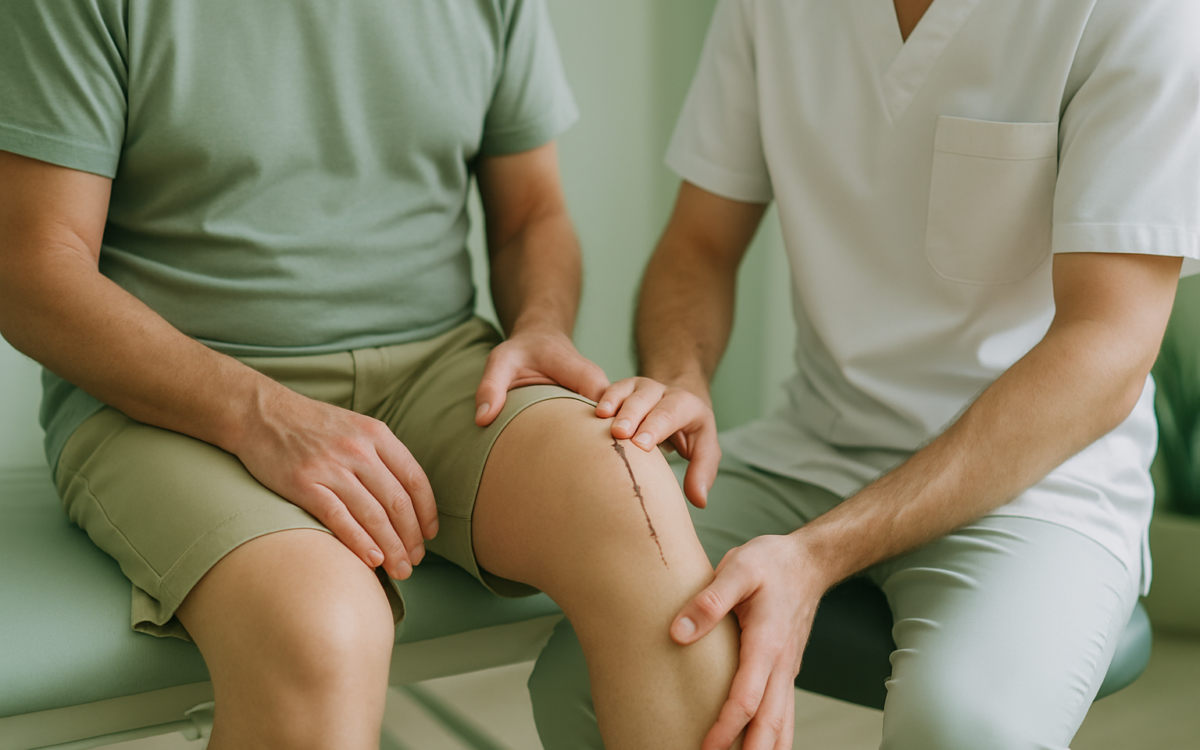
Undergoing a total knee replacement (TKR) can be a life-changing decision. This surgery can alleviate pain and improve mobility for those with severe knee arthritis or damage. However, recovery can feel daunting. Understanding what to expect in your recovery journey can help you prepare both mentally and physically for the road ahead.
What to Expect Immediately After Surgery
Right after the TKR procedure, patients will spend some time in the recovery room. Many feel groggy from anesthesia, and pain management will be a top priority. Expect to have bandages on your knee, and possibly a drain to remove excess fluid. Your medical team will monitor your vital signs and assess your pain levels.
Managing Pain and Discomfort
Following surgery, it’s common to experience pain and swelling. Your healthcare provider will prescribe pain medications to help manage discomfort. It’s important to follow their instructions regarding medication use. Besides medications, applying ice to your knee can help reduce swelling. Elevating the leg is also advised and can offer additional relief.
The Role of Physical Therapy
Physical therapy is a crucial part of the recovery from TKR. Usually, rehabilitation begins just one day after surgery. The goal of physical therapy is to help restore movement and strength to your knee. A trained physical therapist will guide you through exercises tailored to your recovery needs.
Early exercises may involve gentle movements to enhance flexibility, like ankle pumps and knee bends. As your strength improves, you may progress to more challenging exercises. Regular attendance at therapy sessions enhances outcomes significantly. If you are considering traveling abroad for specialized treatment, facilities such as acibademinternational.com offer great options for physical therapy and rehabilitation.
Understanding Recovery Milestones
Recovery from TKR varies from person to person, but there are general milestones that will guide your progress. Here’s what you can typically expect:
- First few days: Getting in and out of bed may be difficult, and you’ll likely use a walker or crutches.
- 1-2 weeks: Many patients can begin transitioning away from assistive devices. You may still require help for daily activities.
- 3-6 weeks: Your therapist will help you regain strength and flexibility. You may start to walk without assistance.
- 6 months: Most patients notice significant improvements in mobility. However, complete recovery can take up to a year.
Home Care Tips
Once you return home, setting up a supportive environment can make a difference in your recovery. Here are some tips:
- Stay organized: Keep essential items within reach to avoid unnecessary bending or stretching.
- Utilize assistive devices: Use tools like grab bars in the bathroom or a shower chair to ensure safety.
- Follow a schedule: Stick to any prescribed medication and therapy routine to promote healing.
- Monitor your health: Watch for signs of infection, abnormal swelling, or pain that worsens.
Long-Term Recovery and Lifestyle Changes
Even after physical therapy ends, maintaining an active lifestyle is essential. Regular exercises such as swimming, biking, or walking can help keep your knee strong. Additionally, weight management plays a crucial role in minimizing stress on your new joint.
Building strength in muscle groups surrounding the knee will also support long-term health. If you are unsure about what exercises are best for you, discussing this with a physical therapist is beneficial. They can guide you on maintaining strength without overextending your knee.
When to See a Doctor
While discomfort is expected after TKR, certain symptoms should prompt you to contact your healthcare provider:
- Fever over 101°F
- Severe pain that isn’t relieved by medication
- Sudden swelling in your calf
- Increased redness or warmth around the incision
- Difficulty moving your knee or bearing weight
Conclusion
Recovery from total knee replacement is a journey of improvement, patience, and resilience. With the right care plan and support system, many individuals go on to lead active and fulfilling lives post-surgery. Always remember, consult your doctor or healthcare provider for personalized advice and guidance on your recovery.
