
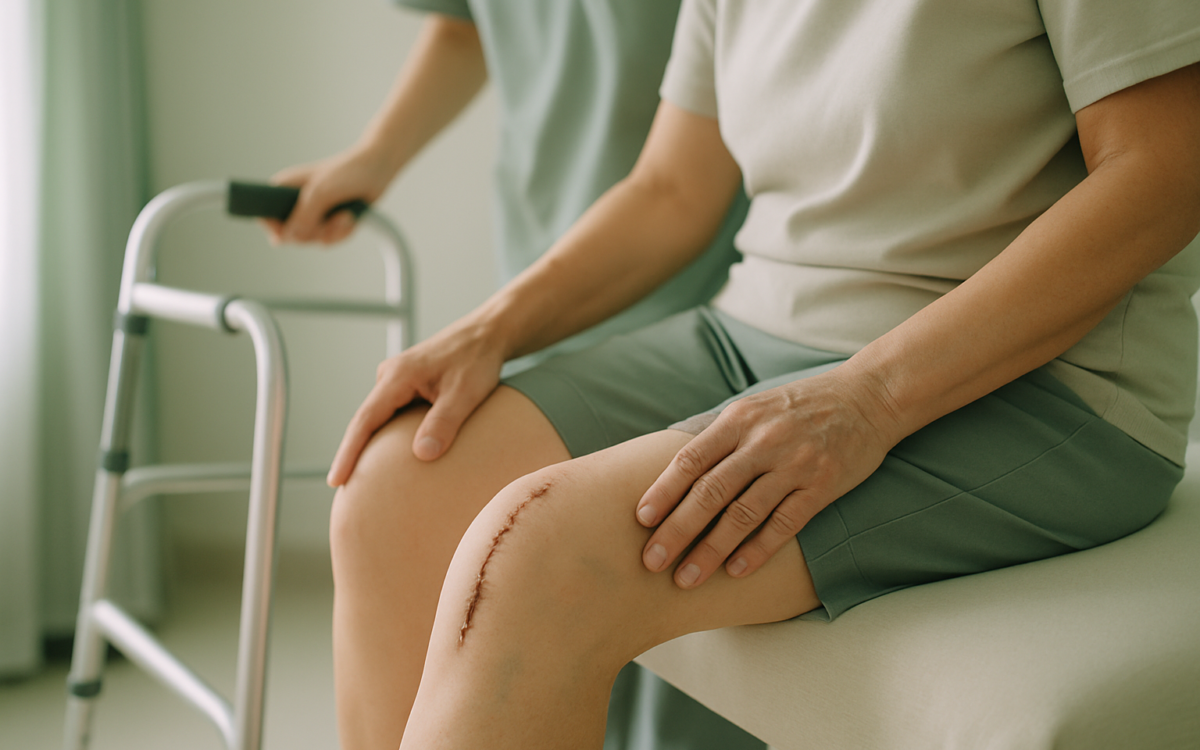
When you undergo a total knee replacement surgery, you’re investing in your future mobility and quality of life. However, the road to recovery can feel daunting. This article aims to shed light on the recovery process, helping you navigate the changes and challenges that come with healing after surgery.
Understanding the Total Knee Replacement Procedure
Total knee replacement (TKR) is a common surgical procedure where damaged parts of the knee joint are removed and replaced with artificial components. This surgery is often recommended for individuals with severe arthritis or knee injuries. As you start your recovery, it’s essential to understand what happens during the procedure, so you can better appreciate the healing process ahead.
The Immediate Post-Surgery Phase
Immediately after surgery, you’ll be taken to the recovery room where healthcare professionals will monitor your vital signs and manage pain. The anesthesia will take time to wear off, and you might experience grogginess along with some discomfort. Using ice packs can help manage swelling, and your doctor will prescribe pain medication to help alleviate discomfort.
During this phase, it’s crucial to take care of the surgical site and follow your doctor’s instructions carefully. Here are a few key points:
- Keep the incision clean and dry.
- Start moving your toes and foot soon after surgery to promote circulation.
- Follow the prescribed dosage and schedule for pain medications.
Starting Physical Therapy
Physical therapy typically begins within a day or two after your surgery. An important part of your recovery, it aims to restore mobility and strengthen the muscles around your knee. Your physical therapist will design a personalized exercise program that may include:
- Gentle range-of-motion exercises to help regain flexibility.
- Strength-building exercises focusing on the quadriceps, hamstrings, and calf muscles.
- Balance and coordination drills to enhance stability.
Adhering to your physical therapy routine is critical for a successful recovery. As your strength improves, your therapist will gradually increase the complexity of your exercises.
Home Care and Daily Activities
As you transition home, you’ll want to create a supportive environment for healing. Here are some tips for home care:
- Keep your living space organized, ensuring pathways are clear of obstacles.
- Consider utilizing mobility aids such as crutches, walkers, or canes as recommended.
- Take breaks and rest when you need to; healing takes time.
Daily activities can be challenging initially, but they will get easier over time. Start with simple tasks, like moving from a seated to standing position, and gradually add more responsibilities as you gain confidence.
International Perspectives on Recovery
For those considering surgery outside of their home country, it’s important to know that recovery experiences can vary. Organizations like international patient services can guide you through the process, helping you understand cultural differences in recovery and rehabilitation practices. Engaging with international health professionals can also bring unique insights into your recovery journey.
Long-Term Recovery and Rehabilitation
The complete recovery from a total knee replacement can take several months. Most people can return to normal activities, including walking and driving, within a few weeks, but high-impact sports may take longer. Here are some tips for ensuring a smooth long-term recovery:
- Stay active and continue with your exercise regimen as advised by your healthcare provider.
- Use ice and elevate your leg after physical activity to reduce swelling.
- Maintain a healthy diet to aid in healing.
Regular check-ups with your doctor will help monitor your progress and address any concerns. Research shows that staying engaged with your healthcare team significantly impacts recovery outcomes (Mayo Clinic).
When to See a Doctor
Even as you focus on recovery, it’s essential to keep an eye on your progress. You should contact your doctor if you experience:
- Increased swelling or redness around the incision.
- Severe pain that does not improve with medication.
- Signs of infection, such as fever or chills.
- Unusual drainage or foul odor from the incision site.
Conclusion
Recovery from a total knee replacement is a journey that requires patience, dedication, and positivity. By understanding what to expect and actively participating in your rehabilitation, you can achieve better outcomes for your knee health. Remember that while the road may be challenging, thousands of patients have successfully walked it before you, and with the right approach, you can too.
