
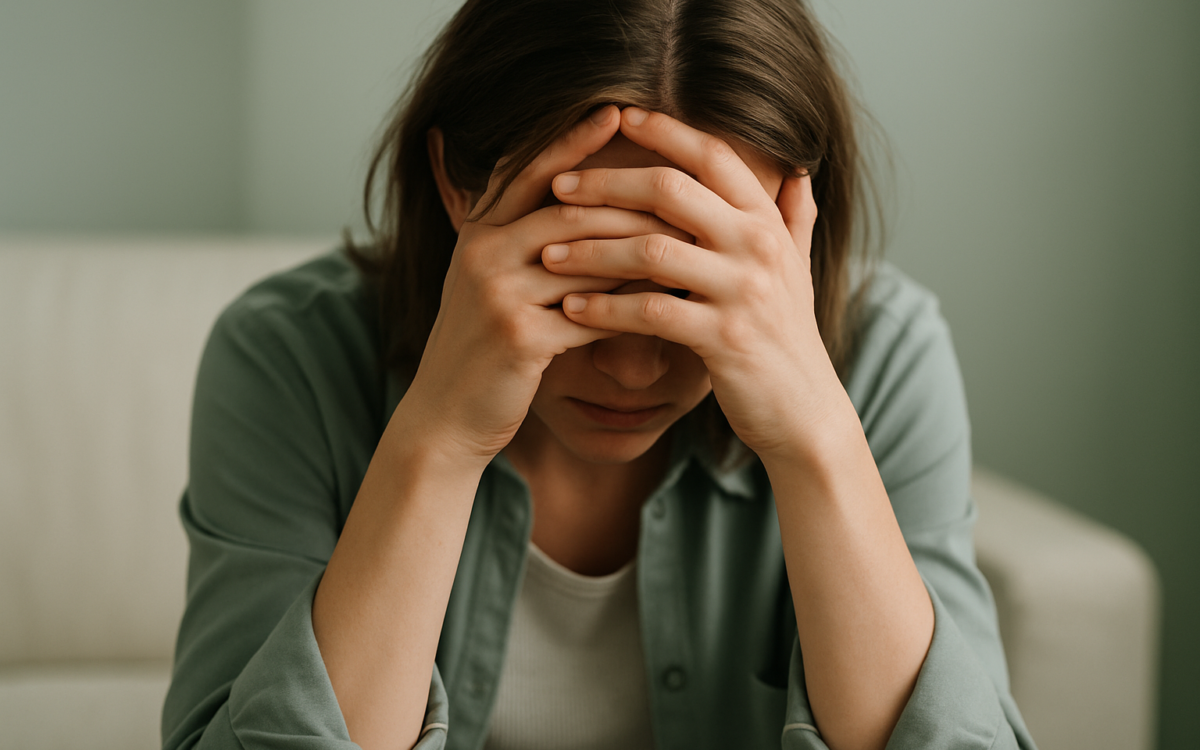
Feeling anxious is something many of us experience at different points in our lives. It can surface during stressful times, like a big test or a job interview, or it may feel constant and overwhelming. Understanding anxiety and finding ways to cope with it can help improve your daily life.
What is Anxiety?
Anxiety is our body’s natural response to stress. It’s a feeling of fear or apprehension about what’s to come. Whether it’s a health appointment, a job interview, or an unexpected change, feeling anxious is a common reaction. According to the National Institute of Mental Health, anxiety disorders affect about 30% of adults at some point in their lives.
Common Symptoms of Anxiety
Understanding the symptoms of anxiety can help you recognize it in yourself or in others. Common symptoms include:
- Excessive worrying
- Restlessness
- Fatigue
- Difficulty concentrating
- Sleep disturbances
- Physical symptoms like a racing heart or sweating
While everyone may experience these symptoms at times, they can be more pronounced in individuals with anxiety disorders.
Exploring the Causes of Anxiety
Anxiety doesn’t have a single cause. Instead, it can arise from a combination of genetic, environmental, psychological, and developmental factors. Here are some factors that can contribute:
- Genetics: Having a family history of anxiety disorders can increase your risk.
- Brain Chemistry: Imbalances in brain chemicals, particularly neurotransmitters like serotonin and dopamine, are linked to anxiety.
- Life Events: Trauma or significant life changes can trigger anxiety.
- Personal History: Early exposure to stress or negative experiences can influence how we react to anxiety in adulthood.
Effective Coping Strategies
While feeling anxious can be overwhelming, several coping strategies can help ease your mind and promote relaxation. Here are some effective techniques:
Practice Mindfulness
Mindfulness involves focusing on the present moment without judgment. Simple practices such as deep breathing, meditation, or yoga can reduce anxiety by promoting calm and improving your emotional response to stressors.
Stay Active
Regular physical activity can significantly improve your mood. Exercise releases endorphins, the body’s natural stress relievers. Whether it’s a walk, run, or dance class, find an activity that you enjoy and incorporate it into your routine.
Connect with Others
Talking about your feelings can provide relief and help reduce anxiety. Connect with friends, family, or support groups where you can share experiences and strategies for coping. Sometimes, just knowing you’re not alone can make a huge difference.
Limit Caffeine and Alcohol
While caffeine can give you an energy boost, it can also increase anxiety levels. Similarly, alcohol might seem calming at first, but it can lead to increased anxiety when it wears off. Keeping a balanced approach to these substances can help manage feelings of anxiety.
Seek Professional Help
If your anxiety becomes overwhelming, consider speaking with a mental health professional. Therapies such as cognitive-behavioral therapy (CBT) have proven effective in treating anxiety disorders. Sometimes, medication may also play a beneficial role, and a doctor can help determine the best course for you.
When to See a Doctor
If anxiety is interfering with your daily life, relationships, or work performance, it may be time to consult a healthcare professional. Persistent feelings of anxiety, particularly if they lead to panic attacks or affect your ability to function, should not be ignored. Early intervention can lead to better outcomes.
Conclusion
Feeling anxious is a common experience, but you don’t have to face it alone. Understanding the nature of anxiety, recognizing the symptoms, and adopting effective coping strategies can help improve your quality of life. If you find that anxiety is a frequent or overwhelming presence in your life, don’t hesitate to seek help from professionals who can guide you on the path to feeling better.
