
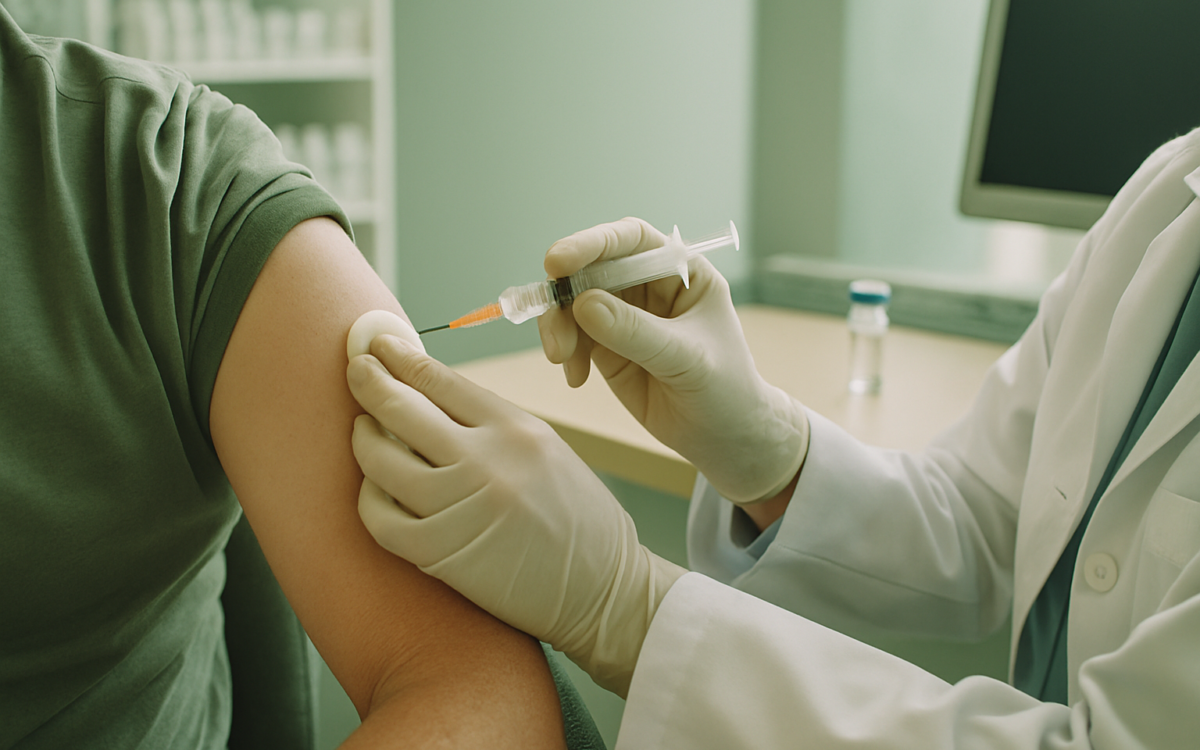
Vaccination is one of the most effective ways to protect yourself and your community from infectious diseases. In recent years, pharmacies have become key players in the vaccination landscape, and Walgreens is no exception. This article aims to guide you through the available immunizations at Walgreens, their benefits, and how the vaccination process works.
Understanding Immunizations
Immunizations, commonly known as vaccines, are biological preparations that provide acquired immunity to a particular infectious disease. Vaccines work by training your immune system to recognize and fight pathogens without actually causing the disease. This process not only protects the vaccinated individual but also helps reduce the spread of disease within the community.
Why Choose Walgreens for Your Vaccination Needs?
- Accessibility: With over 9,000 locations across the United States, Walgreens makes it easy to find a pharmacy near you that offers immunizations.
- Convenience: Walgreens typically has extended hours, making it easier for people with busy schedules to get vaccinated.
- Walk-in Services: Many Walgreens locations allow you to walk in for vaccinations without needing an appointment, although scheduling ahead is an option for added convenience.
- Qualified Staff: Pharmacists at Walgreens are trained and certified to administer vaccines, ensuring you receive high-quality care.
Available Vaccines at Walgreens
Walgreens offers a wide range of immunizations suitable for individuals of all ages. Here are some of the vaccines you might find:
- Flu Vaccine: Recommended annually, the flu shot is essential for reducing the risk of influenza.
- COVID-19 Vaccine: Walgreens remains a vital resource for COVID-19 vaccinations and boosters as part of public health efforts.
- Tdap Vaccine: This vaccine protects against tetanus, diphtheria, and pertussis (whooping cough), especially important for expectant mothers and their newborns.
- Shingles Vaccine: Recommended for older adults, the shingles vaccine helps prevent this painful rash and its complications.
- Pneumococcal Vaccine: This immunization is crucial for older adults and individuals with certain health conditions to prevent pneumonia and other serious infections.
The Vaccination Process at Walgreens
Getting vaccinated at Walgreens can be a straightforward process. Here’s what you can expect:
- Checking Availability: It’s wise to check with your local Walgreens regarding the vaccines offered, as this may vary by location.
- Personal Information: When you arrive, you may need to provide personal information, such as your health history and any allergies, which helps the pharmacist determine the best vaccine for you.
- Administration: A trained Walgreens pharmacist will administer the vaccine, usually through an injection in the arm.
- Post-Vaccination Observation: After receiving your vaccine, you might be asked to stay for a short observation period to monitor for any immediate reactions.
Benefits of Getting Vaccinated
Vaccinations offer numerous benefits beyond individual health. Here are some key reasons to stay up-to-date on your immunizations:
- Prevention of Diseases: Vaccines dramatically reduce the risk of contracting serious illnesses and can prevent outbreaks.
- Herd Immunity: When a significant portion of the population is vaccinated, the overall community becomes less susceptible to outbreaks, protecting those who cannot be vaccinated.
- Cost-Effectiveness: Preventing illness through vaccination can save on medical costs and lost workdays.
- Travel Requirements: Many countries require specific vaccinations for entry, making it essential for travelers.
Common Myths About Vaccines
As you consider getting vaccinated, it’s important to address some misconceptions surrounding immunizations:
- Vaccines Cause Illness: Vaccines do not cause diseases but stimulate the immune system to recognize and fight infections.
- Natural Immunity is Better: While natural infections can confer immunity, they can also lead to severe health complications. Vaccines provide a safer way to develop immunity.
- Too Many Vaccines Overwhelm the Immune System: The immune system can handle numerous viruses and bacteria simultaneously. Vaccines are designed to be safe and effective.
When to See a Doctor
If you experience side effects from a vaccine that concern you, or if you have specific health conditions that may impact your vaccination choices, consult your doctor. Symptoms like persistent fever, allergic reactions, or other unusual responses after getting vaccinated should prompt a discussion.
Vaccination is a critical part of public health and personal well-being. By utilizing services like Walgreens immunizations, you can take proactive steps toward maintaining your health and protecting those around you. Always consult with a healthcare provider for personalized advice tailored to your health needs.
For more information about vaccinations and their benefits, consider visiting the CDC or WHO.
