
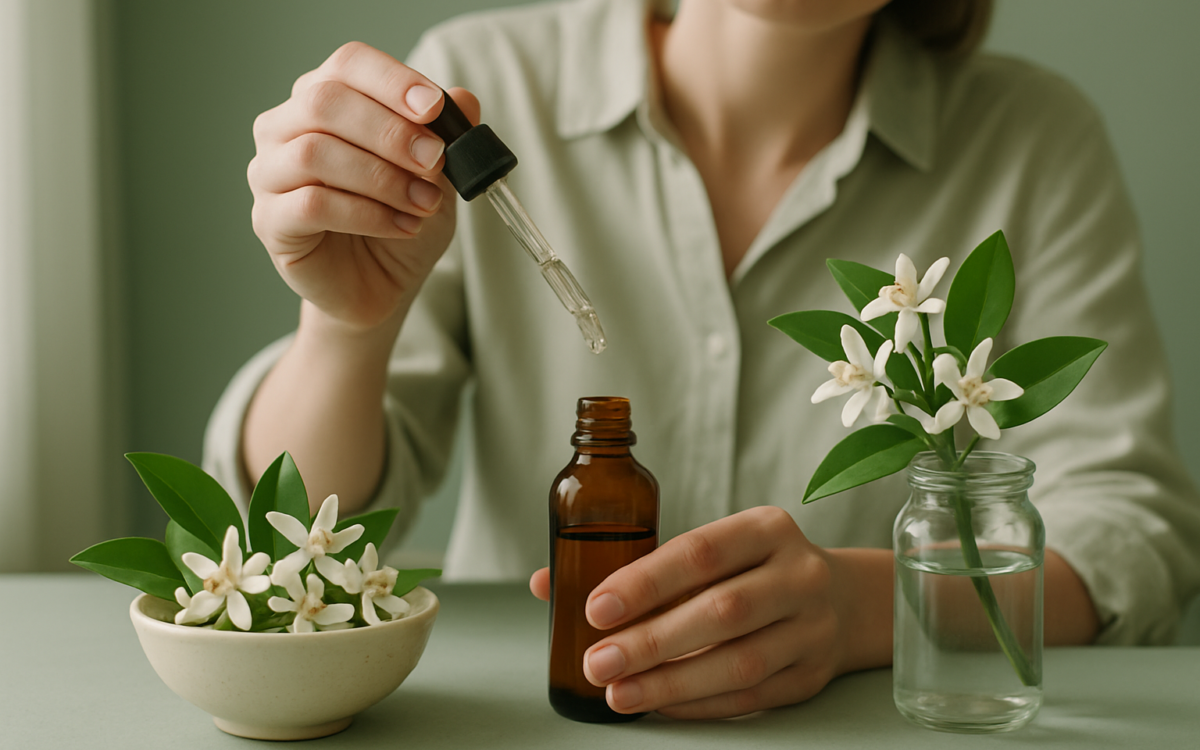
Neroli oil, derived from the blossoms of the bitter orange tree (Citrus aurantium), has been cherished for centuries for its sweet, floral aroma and therapeutic properties. With a rich history rooted in perfumes and traditional medicine, this essential oil is gaining recognition in modern wellness practices. Let’s dive into what neroli is, its uses, benefits, and how it can fit into your health routine.
What is Neroli?
Neroli is an essential oil extracted from the delicate white flowers of the bitter orange tree. The name itself is believed to originate from Princess Anne-Marie de la Trémoille, the 17th-century Duchess of Bracciano, also known as Nerola, who famously used the oil in her perfumes. Today, neroli oil is noted for its vibrant scent and numerous health benefits.
Benefits of Neroli Oil
- Emotional Wellness: Neroli is often praised for its calming effects. Research suggests that its fragrance may help reduce anxiety and stress levels. A study published in the Journal of the International Society of Sports Nutrition found that inhaling neroli essential oil significantly decreased anxiety symptoms in participants.
- Skin Care: Thanks to its antiseptic properties, neroli oil can be beneficial for the skin. It has been known to help with conditions such as acne and scarring, promoting healthy skin rejuvenation. The Mayo Clinic mentions that essential oils can play a role in enhancing skin health when used with caution.
- Sleep Aid: Inhaling the scent of neroli may also improve sleep quality. A soothing environment enhanced with neroli can help people unwind after a long day, promoting a restful night.
- Digestive Support: Some studies suggest that neroli oil can aid digestion. It has been used traditionally to alleviate symptoms of indigestion and bloating.
How to Use Neroli Oil
Neroli oil can be used in various ways to enjoy its benefits:
Aromatherapy
Inhale the oil through a diffuser or a steam inhalation. Adding a few drops to a warm bath can also create a relaxing atmosphere.
Topical Application
Dilute neroli oil with a carrier oil, like jojoba or almond oil, before applying it to the skin. This can help with skin rejuvenation and keep the oil from irritating sensitive skin.
Cosmetic Products
Look for skincare products that contain neroli as an ingredient. Many serums and lotions use neroli for its enchanting scent and skin benefits.
Cooking
In culinary uses, a small amount of neroli water can add a unique flavor to dishes or desserts. However, only food-grade neroli should be used for these purposes.
Precautions When Using Neroli Oil
While neroli oil is generally considered safe for most people, some precautions should be taken:
- Allergies: Conduct a patch test before applying it to a larger area of your skin. If redness or irritation occurs, discontinue use.
- Pregnancy and Breastfeeding: Consult your healthcare provider before using neroli oil if you are pregnant or breastfeeding, as its effects on these conditions are not fully understood.
- Medication Interactions: If you are on medication, especially for depression or anxiety, consult your doctor before incorporating neroli into your routine.
Neroli in Traditional Medicine
Historically, neroli has been used in various cultures for its healing properties. Ancient civilizations valued it for its calming effects, often using it in religious ceremonies and beauty rituals. The World Health Organization recognizes the importance of indigenous plants like neroli in medicinal practices worldwide.
Recent Research on Neroli
Recent studies have begun to focus more on the potential benefits of neroli oil. Researchers have looked into its uses beyond aromatherapy, exploring its possible effects on mental health, skin healing, and digestive health. While many findings are promising, it is essential to approach these results with caution, as more extensive research is needed to substantiate these claims.
When to See a Doctor
If you experience any adverse reactions after using neroli oil, such as severe skin irritation, difficulty breathing, or an allergic reaction, it is crucial to seek medical attention promptly. Additionally, if you have underlying health conditions or are considering using neroli for therapeutic purposes, consulting your healthcare provider is advisable.
In summary, neroli oil is more than just a lovely fragrance; it is a powerful tool in the wellness toolbox. Whether you’re looking to calm your mind, enhance your skincare routine, or explore new cooking flavors, consider incorporating neroli into your life. Always remember, while essential oils can be beneficial, they should be used responsibly and in conjunction with professional health advice.
