
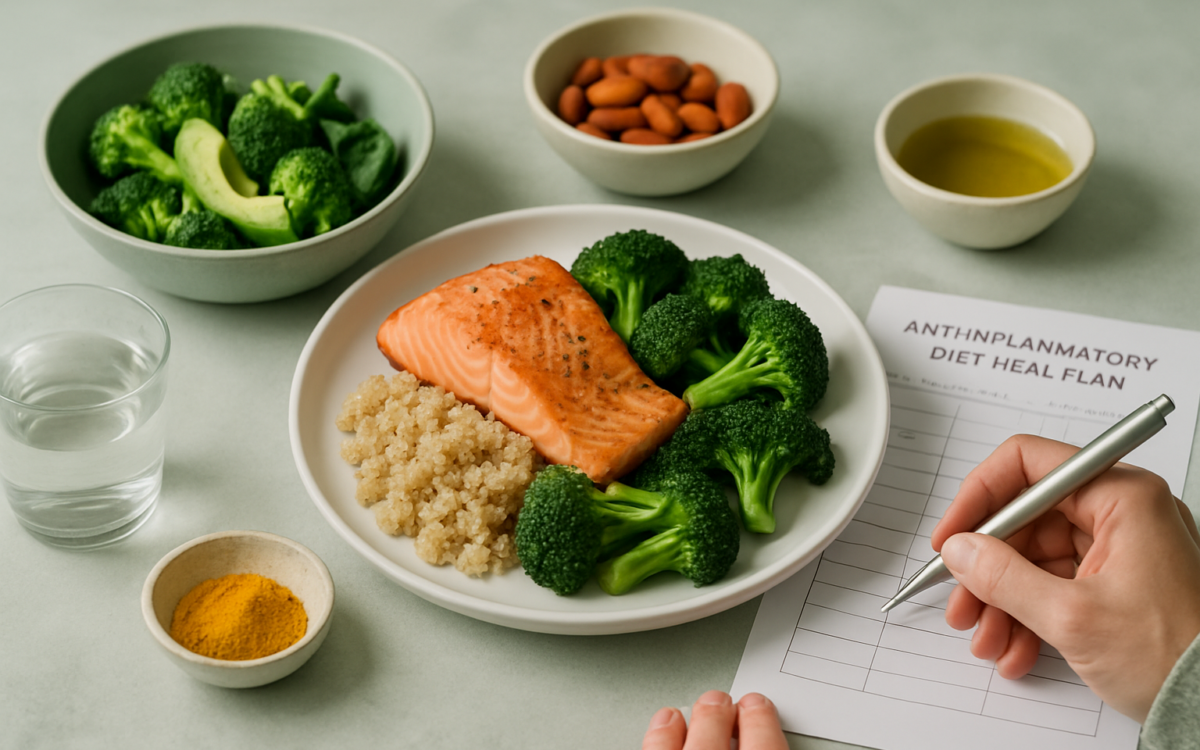
Inflammation is a natural part of our body’s immune response and plays a role in healing. However, chronic inflammation is linked to various health issues, such as heart disease, diabetes, and arthritis. An anti-inflammatory diet focuses on reducing this inflammation through a variety of wholesome foods. In this article, we will guide you through the basics of an anti-inflammatory diet and provide a sample meal plan to get you started.
Understanding Inflammation
Inflammation occurs when the body responds to injury, infection, or harmful substances. There are two types of inflammation: acute and chronic. Acute inflammation is short-term and usually goes away on its own; think of the redness and swelling that happens when you get a cut. Chronic inflammation, on the other hand, lasts longer and can contribute to several chronic diseases. Factors that can lead to chronic inflammation include a poor diet, lack of exercise, stress, and environmental toxins.
Foods to Include in Your Anti-Inflammatory Diet
To combat chronic inflammation, focus on the following food groups:
- Fruits and Vegetables: Blueberries, strawberries, kale, and spinach are high in antioxidants that help reduce inflammation.
- Whole Grains: Foods like brown rice, quinoa, and whole-wheat bread provide fiber, which can help lower inflammation.
- Healthy Fats: Incorporate olive oil, avocados, nuts, and fatty fish like salmon, which are rich in omega-3 fatty acids.
- Spices and Herbs: Turmeric and ginger have anti-inflammatory properties. They can be added to a variety of dishes for both flavor and health benefits.
- Legumes: Beans and lentils are excellent sources of fiber and protein, helping to lower inflammation levels.
Foods to Avoid
Just as important as knowing what to eat is knowing what to avoid. Here are some foods that can increase inflammation:
- Processed Foods: Foods high in trans fats, sugars, and refined carbohydrates contribute to inflammation.
- Excessive Sugar: Limit sugary drinks, pastries, and candy that can lead to weight gain and inflammatory responses.
- Red and Processed Meats: These can be harder for the body to digest and may promote inflammation.
- Excessive Alcohol: While moderate wine consumption may have some health benefits, excessive alcohol can worsen inflammation.
Sample Anti-Inflammatory Meal Plan
Here’s a simple, one-day meal plan to get you started:
Breakfast:
Overnight oats made with rolled oats, almond milk, chia seeds, topped with fresh blueberries and a sprinkle of cinnamon.
Lunch:
A quinoa salad with spinach, cherry tomatoes, diced cucumbers, chickpeas, and a dressing made from olive oil, lemon, and a touch of honey.
Snack:
Sliced apple with a small handful of walnuts or almond butter.
Dinner:
Grilled salmon served with steamed broccoli and sweet potatoes, drizzled with olive oil and lemon juice.
Dessert:
A small bowl of mixed berries with a dollop of Greek yogurt and a sprinkle of fresh mint.
Meal Prep Tips for Success
Making healthy food choices can be easier with a bit of planning. Here are some tips to help you stay on track:
- Plan Ahead: Prepare your meals for the week on a designated day. This can save time and reduce the temptation to grab unhealthy options.
- Make Smart Snacks: Keep healthy snacks, like cut-up vegetables or nuts, on hand to make better choices when hunger strikes.
- Stay Hydrated: Drink plenty of water throughout the day, as hydration plays a role in reducing inflammation.
When to See a Doctor
If you are experiencing persistent symptoms of inflammation, such as fatigue, joint pain, or swelling, it’s a good idea to consult a healthcare professional. They can help determine the underlying cause and recommend the most appropriate treatment. You can learn more about chronic inflammation from reputable resources like the NIH or the WHO.
Conclusion
An anti-inflammatory diet may offer a pathway to better health and wellness. By incorporating nutrient-dense foods and avoiding those that contribute to inflammation, you can nourish your body and potentially reduce chronic health risks. Remember, changes to your diet take time and patience, so be kind to yourself as you embark on this journey towards improved health.
