
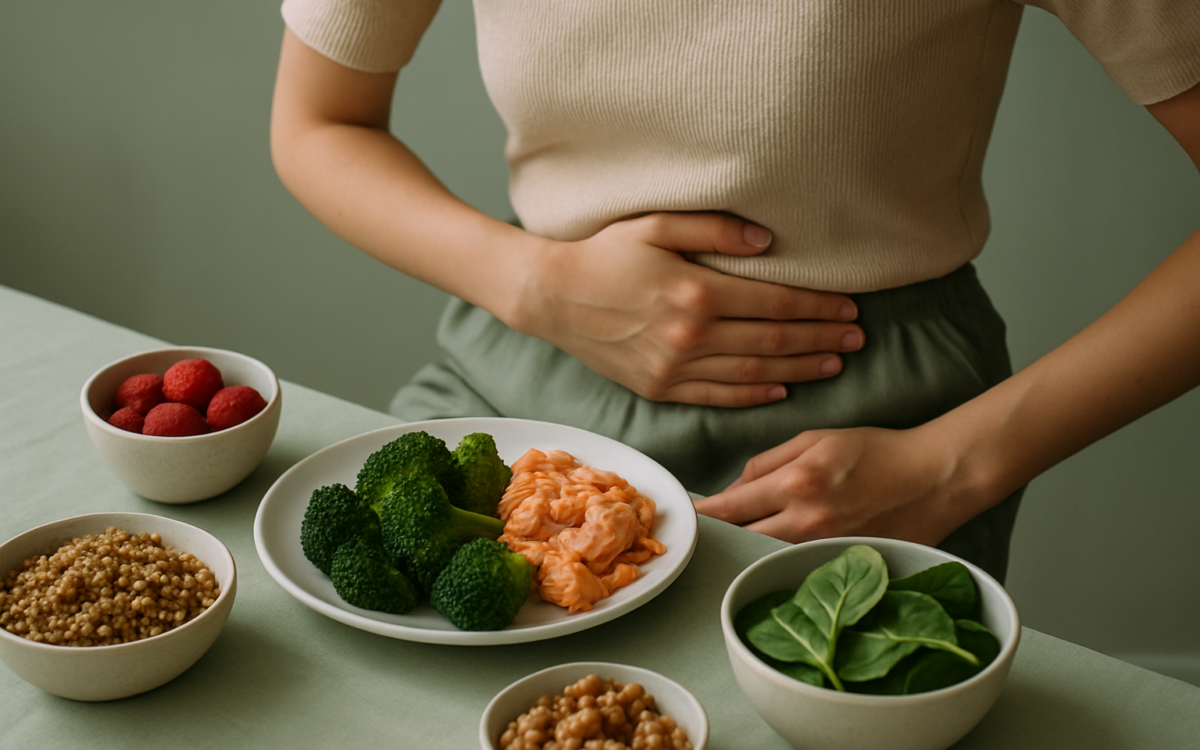
Your menstrual period can often bring uncomfortable symptoms like cravings, bloating, fatigue, and irritability. One of the best ways to tackle these issues is through a tailored diet. By choosing the right foods during your cycle, you can ease the discomfort and perhaps even make those few days a little more manageable. Here’s a guide on what to eat on your period to help support your body and mind.
Understanding Your Nutritional Needs
During your menstrual cycle, your body undergoes various hormonal fluctuations. These changes can affect your cravings and nutritional needs. Here’s a breakdown of essential nutrients and how they relate to your period:
- Iron: Periods can lead to blood loss, which may cause a decrease in iron levels. Foods rich in iron can help replenish this mineral.
- Magnesium: This mineral can help ease muscle tension and reduce cramps.
- Fiber: Increasing fiber intake can help with bloating and digestion, common complaints during your cycle.
- Omega-3 Fatty Acids: These healthy fats can reduce inflammation and may help alleviate menstrual pain.
Foods That Support Your Cycle
Here’s a list of foods that can provide your body with the nourishment it needs during your period:
Iron-Rich Foods
- Red meat (like beef or lamb)
- Poultry (chicken or turkey)
- Legumes (lentils, chickpeas, and beans)
- Leafy greens (spinach, kale, and Swiss chard)
If you are vegan or vegetarian, consider pairing iron-rich plant foods with vitamin C sources (like oranges or bell peppers) to enhance iron absorption.
Magnesium Sources
- Nuts and seeds (especially pumpkin seeds, almonds, and walnuts)
- Whole grains (brown rice, quinoa, and oats)
- Dark chocolate (which is also a delightful treat!)
Magnesium can help relax your muscles and mitigate those pesky cramps that often accompany your period.
Comfort Foods for Cramps and Mood Swings
During your period, comfort foods might seem inviting, but choosing the right ones can work wonders:
Whole Grains
- Whole grain bread and pasta
- Oats (having oatmeal can be particularly soothing)
- Brown rice
These foods release energy slowly, which can help keep your blood sugar stable and reduce mood swings.
Foods with Omega-3 Fatty Acids
- Fatty fish (such as salmon and sardines)
- Flaxseeds and chia seeds
- Walnuts
Omega-3s are known for their anti-inflammatory properties, which can help reduce pain and swelling.
Staying Hydrated
Next to diet, hydration is crucial during your period. You might feel bloated and uncomfortable, but drinking plenty of fluids can help:
- Water
- Herbal teas (like ginger or chamomile, which also have calming effects)
- Broths (which can also provide hydration and nutrients)
Limiting caffeine and salty foods can also be beneficial. Caffeine can contribute to bloating and breast tenderness, while excessive salt may lead to water retention.
Avoiding Certain Trigger Foods
While it’s important to focus on what to eat, it’s equally vital to acknowledge what to limit:
- Sugar: Can contribute to mood swings and increased cravings.
- Caffeine: Excessive caffeine can heighten anxiety and disrupt sleep.
- Processed foods: High in sugar, salt, and unhealthy fats, which can exacerbate bloating and discomfort.
By being mindful of what you consume, you can significantly improve how you feel during this time.
Mindful Eating Practices
Along with choosing the right foods, practicing mindful eating can enhance your experience:
- Take time to savor each bite, which can help with digestion and satisfaction.
- Listen to your body’s hunger cues. Eating when you’re hungry can prevent overeating.
- Cooking meals at home can give you more control over ingredients and nutrition.
Mindful eating not only supports your physical health but also promotes a positive mental state during your cycle.
When to See a Doctor
If you experience severe symptoms such as excessive pain, heavy bleeding, or significant mood changes, it may be time to consult a healthcare provider. These symptoms can sometimes indicate underlying conditions such as endometriosis or fibroids that require further evaluation. For more information on menstrual health, visit the CDC.
In conclusion, what you eat during your period can make a significant difference in how you feel both physically and emotionally. By nurturing your body with the right nutrients, you can alleviate discomfort and enhance your overall well-being. Remember that self-care during this time is vital, and listening to your body is key.
