
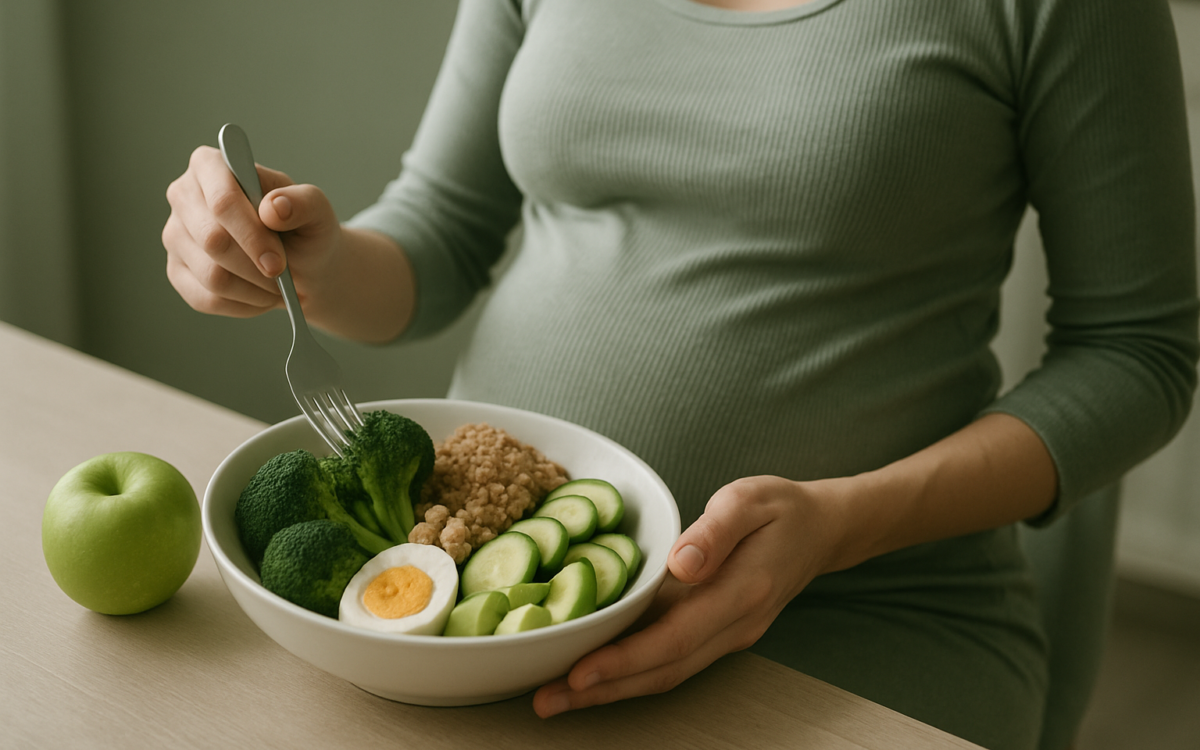
Pregnancy is an exciting journey, filled with anticipation and change. One of the most impactful aspects of this time is the maternity diet. What you eat not only supports your own health but also plays a pivotal role in your baby’s development. Making informed dietary choices can set the foundation for a healthy pregnancy and beyond.
The basics of a maternity diet
A maternity diet focuses on providing the essential nutrients that promote both maternal well-being and fetal growth. It emphasizes whole foods rich in vitamins, minerals, and other essential nutrients necessary during pregnancy. Here are the key components:
- Fruits and Vegetables: Aim for a variety of colors, as different fruits and vegetables provide different nutrients. Leafy greens, berries, bananas, and avocados are great choices.
- Whole Grains: Foods like brown rice, quinoa, and whole wheat bread are essential sources of energy and fiber, which aid in digestion.
- Lean Proteins: Incorporate sources like chicken, turkey, fish (low in mercury), beans, and nuts to support tissue growth and repair.
- Dairy Products: Choose low-fat or non-fat dairy options. These are good sources of calcium and vitamin D, important for bone health.
- Healthy Fats: Include avocados, nuts, seeds, and olive oil, which support brain development in your baby.
Key nutrients to focus on
Certain nutrients are especially important during pregnancy. Here are some critical ones to keep in mind:
- Folic Acid: This B vitamin helps prevent neural tube defects. Aim for at least 600 micrograms daily, found in fortified cereals, leafy greens, and legumes.
- Iron: Increased blood volume during pregnancy means you need more iron. Foods like spinach, lentils, and lean meats help meet this requirement. Pairing iron-rich foods with vitamin C can enhance absorption.
- Calcium: Support your baby’s bone development with calcium-rich foods such as dairy, almonds, and broccoli. Aim for at least 1,000 mg daily.
- Omega-3 Fatty Acids: Essential for brain development, these can be found in fatty fish, walnuts, and flaxseeds. Aim for fish like salmon or sardines, which provide healthy fats.
Hydration matters
Staying hydrated is crucial during pregnancy. Water helps transport nutrients to your baby and supports your body as it changes. Aim for at least 8-10 cups of water a day. If you’re struggling to stay hydrated, consider herbal teas or adding lemon to your water for taste. Avoid excessive caffeine and high-sugar beverages, as these can have negative effects.
Managing cravings and aversions
Pregnancy often brings about cravings and food aversions due to hormonal changes. While indulging in cravings occasionally is fine, it’s essential to seek out healthy alternatives when possible. For instance, if you’re craving sweets, try fruit or yogurt instead. On the other hand, if you have aversions to certain foods, ensure you find other nutrient sources to make up for any missing vitamins or minerals.
Foods to avoid
Some foods can be harmful during pregnancy. Pay close attention to the following:
- Raw or undercooked seafood, meat, or eggs: These can harbor harmful bacteria.
- Certain fish: Avoid fish high in mercury, like shark, swordfish, and king mackerel.
- Unpasteurized dairy and juices: These can increase the risk of listeriosis, which can harm the baby.
- Excessive caffeine and alcohol: Both can have adverse effects on fetal development.
Consulting a healthcare professional
Every pregnancy is unique. It’s crucial to work with your healthcare provider to tailor your maternity diet to your specific needs. Whether you’re dealing with nausea, specific dietary restrictions, or have questions about supplements, a professional can offer personalized guidance. Regular check-ins can help ensure you and your baby are thriving throughout your pregnancy.
When to see a doctor
While a healthy diet during pregnancy goes a long way, it’s vital to monitor your overall well-being. If you notice any of the following, consult your healthcare provider:
- Severe nausea or vomiting
- Significant weight loss or gain
- Unexpected food aversions that persist
- Signs of dehydration
By keeping open communication with your doctor and following a balanced maternity diet, you’ll contribute to a healthier pregnancy experience.
In conclusion, the journey of motherhood starts with nourishing both yourself and your growing baby. A well-rounded maternity diet provides the essential nutrients and support required during this crucial phase. If you approach your pregnancy diet mindfully, you’ll lay the groundwork for a healthy future—for both you and your child.
