
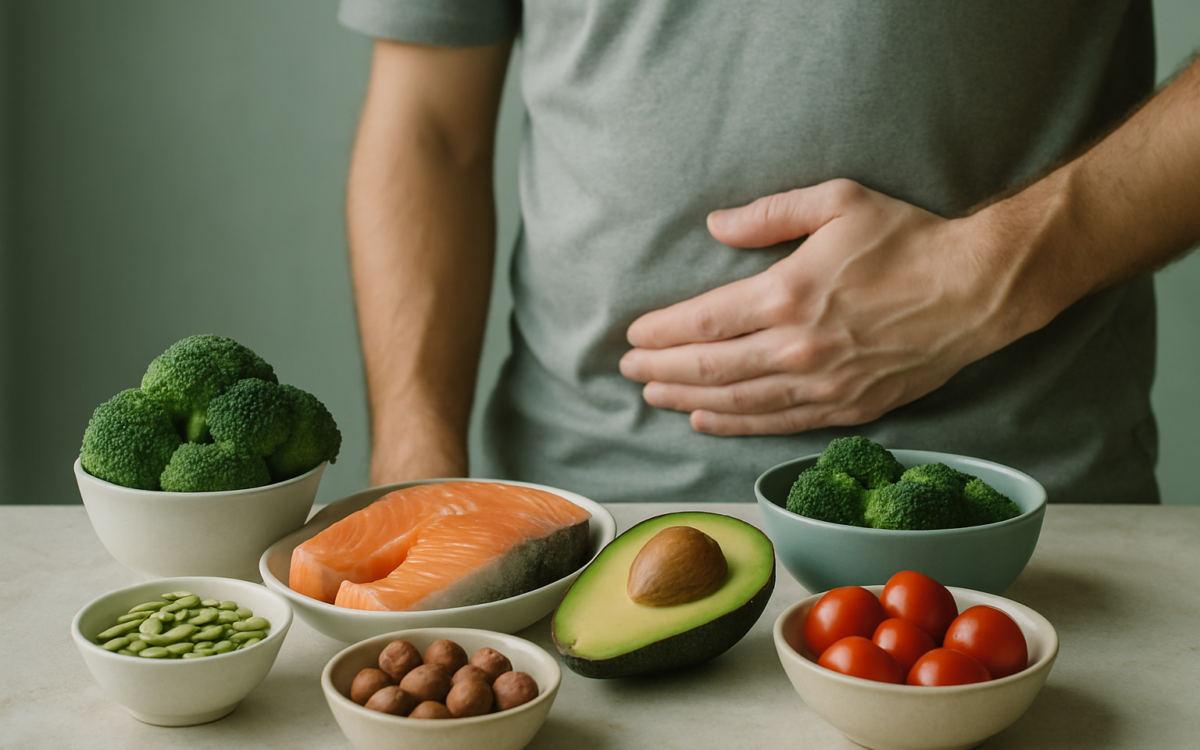
The prostate is a small gland located between the bladder and the penis, playing a significant role in male reproductive health. As men age, it becomes increasingly important to pay attention to prostate health. One way to support this is through a well-balanced diet rich in specific nutrients. In this article, we will explore various foods that are beneficial for maintaining prostate health.
Berries: Tiny Fruits with Big Benefits
Berries, including strawberries, blueberries, and blackberries, are packed with vitamins, minerals, and antioxidants. These tiny fruits harbor compounds called flavonoids, which have been linked to improved prostate health.
Studies suggest that a diet high in antioxidants can decrease the risk of prostate cancer. For example, a National Institutes of Health study found a lower incidence of prostate cancer in men who consumed high amounts of these fruits. Berries are not only delicious but can also be enjoyed in various ways, such as in smoothies, on oatmeal, or as a snack.
Cruciferous Vegetables: Nature’s Powerhouses
Cruciferous vegetables like broccoli, cauliflower, Brussels sprouts, and kale are excellent choices for prostate health. These veggies contain compounds called glucosinolates, which may have cancer-fighting properties. Research indicates that regular consumption of cruciferous vegetables can help lower the risk of prostate cancer.
Incorporating these vegetables into your meals is simple. Try steaming them, adding them to stir-fries, or including them in salads. This group of vegetables provides great nutritional benefits and enhances your overall diet.
Fatty Fish: Essential Omega-3s
Fatty fish such as salmon, mackerel, sardines, and trout are excellent sources of omega-3 fatty acids, which are essential for heart and prostate health. Omega-3s have anti-inflammatory properties and may help reduce the risk of prostate cancer.
A report from the Mayo Clinic highlights studies that suggest a correlation between higher fish consumption and reduced prostate cancer risk. Aim to include fatty fish in your diet at least twice a week. You can grill, bake, or even add them to salads for a healthy protein source.
Nuts and Seeds: Little Nutritional Giants
Nuts and seeds, particularly walnuts, flaxseeds, and pumpkin seeds, are rich in nutrients that promote prostate health. Walnuts contain omega-3 fatty acids, while flaxseeds are high in lignans, a type of antioxidant. Pumpkin seeds are another important source of zinc, a mineral that’s essential for prostate health.
Incorporating a handful of nuts or seeds as a snack or adding them to salads can enhance your diet. Studies suggest that these foods can support prostate health and may even help in managing prostate issues.
Tomatoes: A Red Superfood
Tomatoes are often referred to as a superfood for prostate health due to their high concentration of lycopene, an antioxidant that gives tomatoes their red color. Lycopene has been studied for its potential protective effects against prostate cancer. Cooking tomatoes—such as in sauces or soups—can enhance the bioavailability of lycopene, making it easier for the body to absorb.
Make tomatoes a regular part of your diet. Whether fresh in salads, roasted, or blended into sauces, this fruit provides great health benefits.
Whole Grains: Staying Full and Healthy
Whole grains such as brown rice, quinoa, and whole-wheat bread should be staples in a prostate-friendly diet. These grains are high in fiber, which is associated with a lower risk of developing prostate cancer. Fiber helps maintain a healthy weight and promotes optimal digestion.
Replacing refined grains with whole grains adds essential nutrients to your diet. You can integrate whole grains into your meals by replacing white rice with brown rice or choosing whole-grain pasta and bread options.
Alcohol and Prostate Health
While moderate alcohol consumption may have some benefits, excessive drinking can negatively impact prostate health. Limiting alcohol intake or choosing healthier options like red wine may be worthwhile.
When to See a Doctor
It’s essential to consult your doctor if you’re experiencing any unusual symptoms related to your prostate, such as difficulty urinating, blood in urine, or pelvic pain. Regular check-ups are also crucial for maintaining prostate health, especially as you age.
Eating a well-balanced diet rich in specific foods can support prostate health. Incorporating berries, cruciferous vegetables, fatty fish, nuts, tomatoes, and whole grains into your meals can be both delicious and beneficial for your overall well-being. Always remember to consult your healthcare provider for personalized advice and recommendations.
