
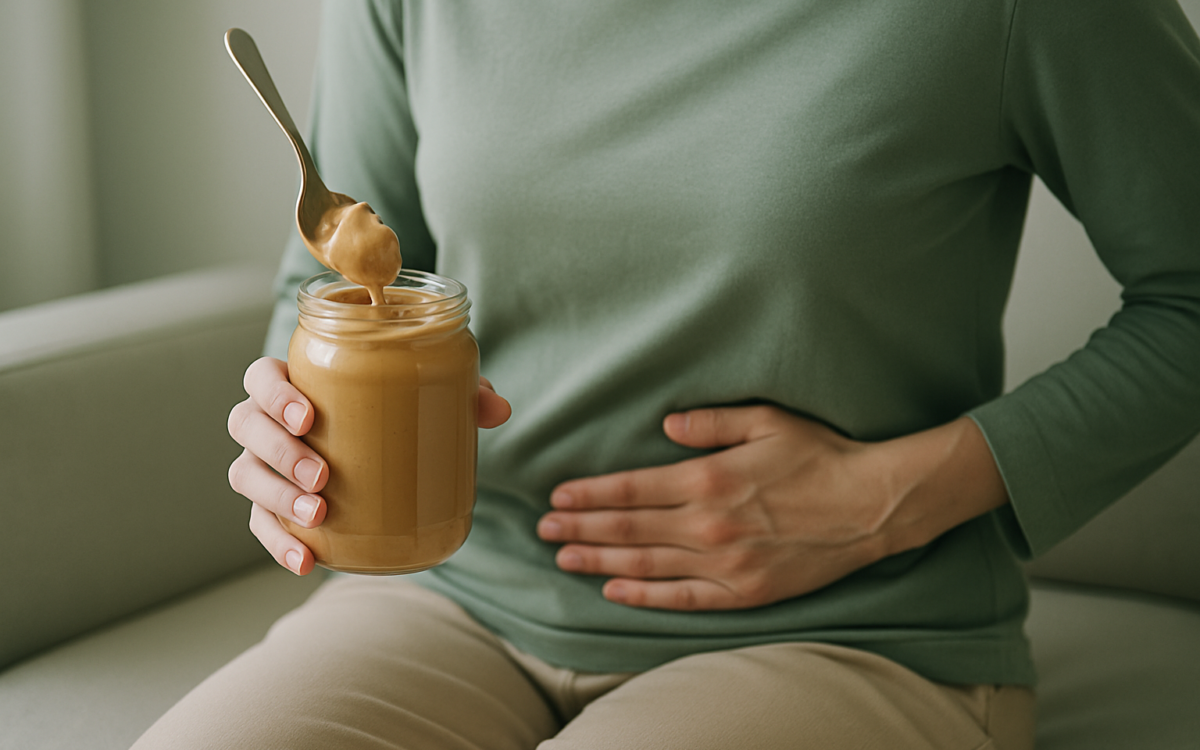
Peanut butter is a beloved staple in many American households, often enjoyed on toast, in smoothies, or straight from the jar. It’s rich in flavor, packed with protein, and offers healthy fats. However, for some people, it raises an important question: does peanut butter cause constipation? Understanding the potential effects of peanut butter on digestion can help us enjoy it while maintaining a healthy gut.
What Causes Constipation?
Before diving into the specifics of peanut butter, it’s essential to understand what constipation actually is. Generally, constipation refers to infrequent or difficult bowel movements. According to the National Institute of Diabetes and Digestive and Kidney Diseases, constipation can occur due to a variety of reasons:
- Low fiber intake: Fiber is crucial for healthy digestion.
- Dehydration: Insufficient water intake can lead to harder stools.
- Lack of physical activity: Movement helps stimulate the digestive system.
- Changes in routine: Travel or changes in diet can disrupt bowel habits.
The Nutritional Profile of Peanut Butter
Peanut butter is often praised for its impressive nutritional benefits. It’s high in protein, providing about 8 grams per 2-tablespoon serving, and it’s also a source of healthy monounsaturated fats. Additionally, peanut butter contains various vitamins and minerals, including vitamin E, magnesium, and phosphorus.
When it comes to fiber, peanut butter is not a standout choice. A typical serving contains about 2 grams of dietary fiber, which is relatively modest compared to other sources like fruits, vegetables, and whole grains.
Can Peanut Butter Contribute to Constipation?
The relationship between peanut butter and constipation isn’t straightforward. For many people, moderate consumption of peanut butter is unlikely to cause constipation, particularly if their overall diet includes enough fiber and hydration.
Most issues arise when individuals consume peanut butter in excessively large quantities or as a replacement for fiber-rich foods. While peanut butter is nutritious, it does not have the same fiber content as whole foods such as fruits, vegetables, and legumes. Therefore, relying solely on peanut butter for nutrition could lead to less fiber in the diet, which is a known contributor to constipation.
Understanding Dietary Fats and Digestive Health
Peanut butter is high in fats, and while these fats are mostly heart-healthy, too much fat can slow digestion in some people. If a meal is particularly rich in fat, it may take longer for the stomach to empty, which could contribute to the sensation of fullness and potentially affect bowel movements.
Moderation is key. Some individuals may find that combining peanut butter with higher fiber foods, like apples or whole grain bread, can enhance digestion. This is because the fiber from these foods can offset any potential slowing effect from the fats in peanut butter.
Tips for Preventing Constipation
If you enjoy peanut butter but are concerned about constipation, consider these helpful tips:
- Incorporate fiber-rich foods: Balance your meals by including fruits, vegetables, and whole grains.
- Stay hydrated: Drinking enough water throughout the day helps keep stools soft.
- Exercise regularly: Physical activity promotes overall digestive health.
- Monitor portion sizes: Enjoy peanut butter in moderation, and ensure it’s part of a balanced diet.
Is Peanut Butter Right for You?
Peanut butter can be part of a healthy diet for most people. However, individual reactions can vary. Some people may notice that consuming peanut butter contributes to digestive discomfort, while others may not experience any issues at all. If you have a history of digestive problems or specific dietary restrictions, consulting a healthcare professional or a registered dietitian may be beneficial.
Listen to your body. If you notice that eating peanut butter is linked with changes in your bowel habits, keeping a food diary could help identify any patterns. Adjusting your diet is often a simple way to alleviate any potential issues.
When to See a Doctor
While peanut butter itself may not directly cause constipation for most, persistent constipation or changes in bowel habits should be taken seriously. If you’re experiencing discomfort, bloating, or significant changes in your bowel habits, it is advisable to consult a healthcare provider to identify any underlying issues. According to the Mayo Clinic, a healthcare provider can provide personalized recommendations and treatments.
Conclusion
In conclusion, while peanut butter is unlikely to directly cause constipation for most, its impact on digestive health can depend on overall diet and personal health. Embracing a balanced diet rich in fiber along with consuming peanut butter in moderation is key. Being aware of your body’s responses to food can empower you to make informed choices that support your digestive health.
