
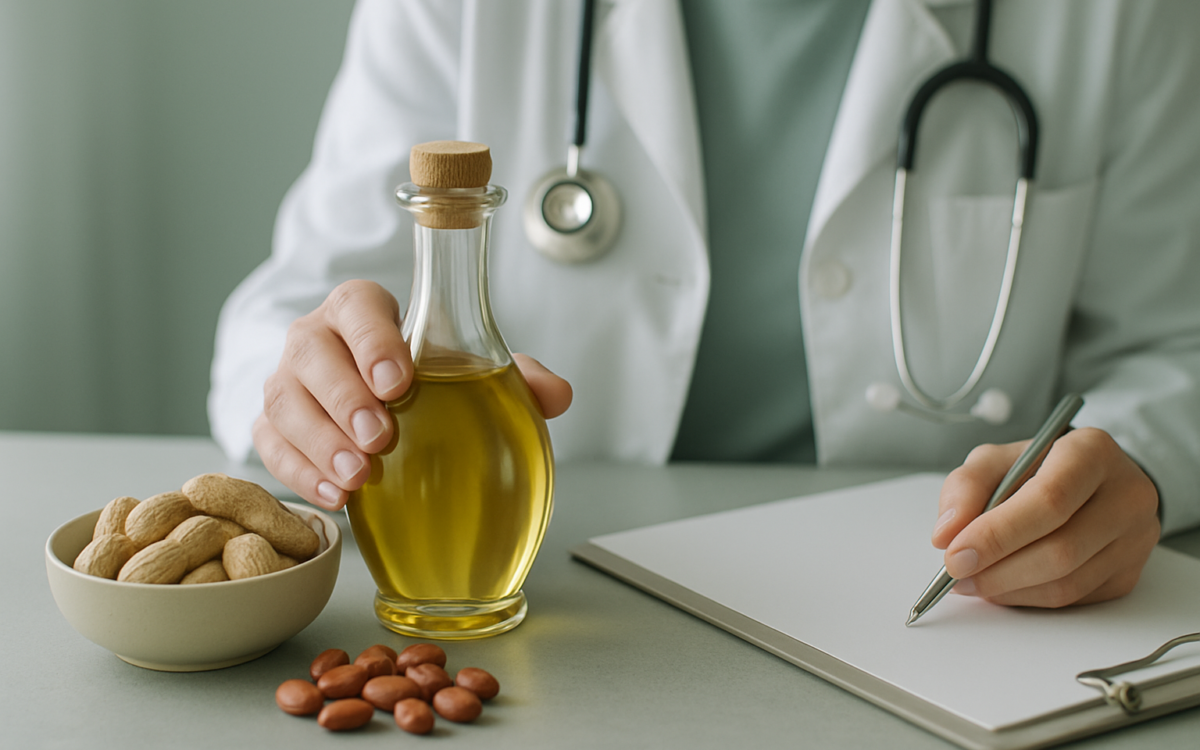
When it comes to cooking oils, peanut oil is often a favorite due to its high smoke point and mild flavor. However, if you’re curious about whether peanut oil is actually healthy, you’re not alone. Many people are trying to understand the health implications of their cooking choices. This article aims to break down peanut oil’s nutritional properties, potential health benefits, and any concerns you might need to consider.
Understanding Peanut Oil
Peanut oil, also known as arachis oil, is derived from peanuts. It has been a staple in many cuisines, particularly Asian dishes, due to its ability to enhance flavors without overpowering them. Peanut oil comes in several varieties, including refined and unrefined, with the refined type being the most commonly used in cooking.
Nutritional Profile of Peanut Oil
Peanut oil is rich in various nutrients and provides several fatty acids. Here’s a closer look at its nutritional composition:
- Fat Content: Peanut oil is approximately 100% fat, with the majority being monounsaturated fat (around 50%). Monounsaturated fats are known for their heart health benefits.
- Saturated Fat: It contains about 17% saturated fat, which is lower than some other cooking oils.
- Polyunsaturated Fat: About 32% of peanut oil is polyunsaturated fats, including omega-6 fatty acids.
- Vitamins: Peanut oil contains Vitamin E, which acts as an antioxidant and helps protect cells from damage.
In moderation, peanut oil can fit into a balanced diet, especially when used in place of oils high in saturated fats.
Health Benefits of Peanut Oil
Peanut oil has several potential health benefits that might make it a worthwhile addition to your cooking routine:
- Heart Health: The high content of monounsaturated fats in peanut oil is linked to improved heart health. Studies suggest that replacing saturated fats with monounsaturated fats can help reduce bad cholesterol levels (LDL) and lower the risk of heart disease (National Institutes of Health).
- Antioxidant Properties: The presence of Vitamin E contributes to its antioxidant properties, which can help fight inflammation and support overall health.
- Stable Cooking Oil: Thanks to its high smoke point (around 450°F), peanut oil is suitable for frying and high-heat cooking, meaning it is less likely to break down and form harmful compounds compared to other oils.
Potential Risks and Considerations
While peanut oil has its benefits, there are some potential risks to consider:
- Allergies: People with peanut allergies should avoid peanut oil entirely, as even highly refined peanut oil can trigger allergic reactions.
- Omega-6 Fatty Acids: Peanut oil contains a significant amount of omega-6 fatty acids. While these are essential for the body, an excess can lead to inflammation if not balanced with omega-3 fatty acids in the diet.
- Caloric Density: Like all oils, peanut oil is calorie-dense, so it should be consumed in moderation to avoid excess caloric intake.
Peanut Oil in International Cuisine
Peanut oil’s unique flavor and high smoke point make it a popular choice in various culinary traditions worldwide, from Asian stir-fries to Southern fried dishes. If you are exploring potential health treatments abroad that include dietary habits, you might find doctors emphasizing the importance of cooking oils like peanut oil in nutritive practices. For more information on health-related treatments worldwide, Acibadem International offers resources on modern approaches to dietary practices.
How to Use Peanut Oil in Your Kitchen
If you decide to incorporate peanut oil into your diet, here are some ways to get started:
- Stir-Frying: Its high temperature tolerance makes it perfect for quick-cooking dishes like stir-fries.
- Frying: Use it for deep frying, as it fries evenly and won’t impart a strong flavor.
- Dressing: Combine peanut oil with vinegar or citrus for a light salad dressing.
Remember to store peanut oil in a cool, dark place to maintain its freshness, as light and heat can degrade its quality.
When to See a Doctor
If you experience any allergic reactions after consuming peanut oil or notice adverse health effects related to your diet, it’s essential to consult a healthcare provider for personalized advice.
Conclusion
Peanut oil can be a healthy addition to your culinary repertoire when used thoughtfully. With numerous benefits like heart health and antioxidant properties, it stands out among various cooking oils. However, be aware of the potential risks, especially if you have allergies. As with all dietary choices, moderation and balance are key.
