
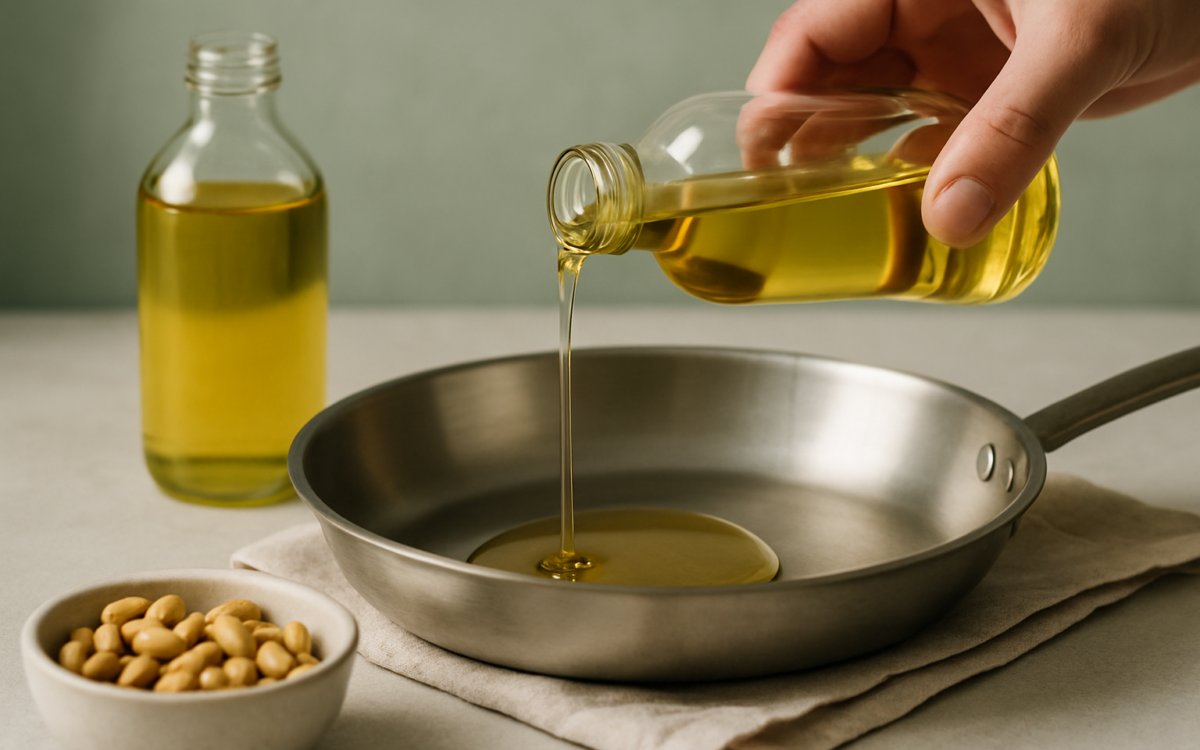
When it comes to frying foods, the choice of oil can significantly impact flavor, texture, and health. Among various cooking oils, peanut oil has gained popularity due to its distinct taste and high smoke point. Not only is it favored in many kitchens, especially for Asian and Southern cuisine, but it also offers several health advantages. In this article, we’ll explore the benefits, uses, and safety tips for frying with peanut oil.
What is Peanut Oil?
Peanut oil, extracted from peanuts, is commonly used in cooking and frying due to its mild flavor and light viscosity. It is primarily made up of monounsaturated and polyunsaturated fats, which are considered healthy fats. There are different types of peanut oil available, including refined, unrefined, and roasted, each offering unique flavors and properties.
The Smoke Point of Peanut Oil
The smoke point of an oil is the temperature at which it starts to smoke and break down, producing potentially harmful compounds and losing its flavor. Peanut oil has a high smoke point, typically around 450°F (232°C) for refined peanut oil. This makes it an excellent choice for frying, as it can withstand high temperatures without degrading.
Health Benefits of Peanut Oil
Using peanut oil for frying comes with several health benefits:
- Rich in Vitamin E: Peanut oil is a good source of vitamin E, an antioxidant that helps protect cells from damage.
- Heart Health: The monounsaturated fats in peanut oil can contribute to improved heart health by lowering bad cholesterol levels (LDL) and raising good cholesterol (HDL).
- Anti-inflammatory Properties: Some studies suggest that peanut oil may have anti-inflammatory effects, which can be beneficial for overall health. (Source)
Best Uses for Peanut Oil in Frying
Peanut oil is versatile and works wonderfully in various frying applications:
- Stir-frying: Its high smoke point makes peanut oil ideal for stir-frying vegetables and meats, allowing for quick cooking while retaining flavors.
- Deep-frying: Whether you’re frying chicken, doughnuts, or Asian spring rolls, peanut oil delivers a crispy texture.
- Sauteing: Use peanut oil for sautéing dishes that require medium to high heat.
Cooking Tips for Frying with Peanut Oil
To achieve the best results when frying with peanut oil, consider the following tips:
- Temperature Control: Always heat the oil gradually and monitor the temperature with a candy or deep-fry thermometer to avoid overheating.
- Reuse Wisely: You can reuse peanut oil, but strain it through a fine mesh sieve to remove food particles. Store it in a cool, dark place for up to a month.
- Balance Flavors: Since peanut oil has a mild flavor, it complements many dishes. However, for a pronounced peanut flavor, consider using roasted peanut oil.
Allergies and Considerations
While peanut oil has many advantages, it’s important to be cautious. Peanut oil can trigger allergic reactions in some individuals, particularly those with peanut allergies. Refined peanut oil is generally considered safe for those with peanut allergies, as the refining process removes most allergenic proteins. However, unrefined and roasted peanut oils should be avoided by anyone with a peanut allergy. Always read labels and consult with a healthcare professional if you have concerns about allergies.
When to See a Doctor
If you experience any allergic reactions such as hives, swelling, or difficulty breathing after consuming food fried in peanut oil, seek medical attention immediately. Additionally, if you have underlying health conditions related to dietary fat intake or cholesterol levels, consult your doctor before significantly increasing your consumption of peanut oil.
Conclusion
Peanut oil is a flavorful and healthy option for frying, thanks to its high smoke point and beneficial properties. When used appropriately, it enhances the taste of a variety of dishes while promoting heart health. Remember to be mindful of allergies and cooking techniques to ensure delicious and safe meals.
