
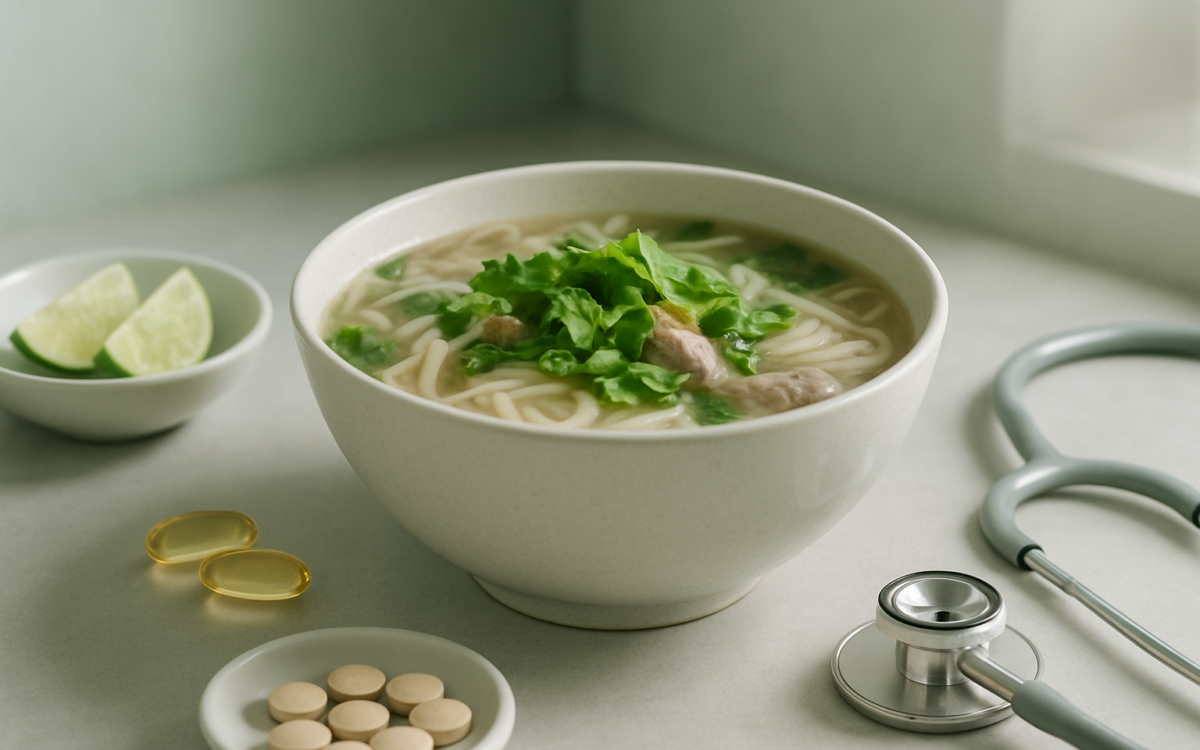
Pho, the aromatic Vietnamese noodle soup, has won over many hearts and taste buds around the globe. This beautiful bowl of goodness comes filled with fragrant broth, rice noodles, fresh herbs, and various proteins. But a common question arises: is pho good for you? In this article, we’ll delve into the nutritional benefits of pho, explore its ingredients, and clarify if it’s a healthful choice for your dining table.
The Nutritional Profile of Pho
Pho typically consists of broth, rice noodles, and protein sources like beef or chicken, topped with fresh herbs and vegetables. The specific nutritional profile can vary greatly depending on its preparation and ingredients. Here’s a closer look at the main components:
Broth
The heart of any good pho is its broth, often made from simmering beef or chicken bones for several hours. This traditional cooking method extracts flavors and nutrients, resulting in a soup that is not only tasty but also rich in:
- Protein: Essential for muscle growth and repair.
- Collagen: Beneficial for skin health and joint support.
- Minerals: Includes calcium, magnesium, and potassium.
Bone broth has been praised for its potential health benefits, which include improved digestion and joint health. According to the National Institutes of Health, collagen may play a role in maintaining healthy gut function and reducing inflammation.
Noodles
Rice noodles, the foundation of pho, are gluten-free and serve as a source of carbohydrates. Carbohydrates are crucial for energy, particularly for those who lead an active lifestyle. With a moderate glycemic index, rice noodles release energy slowly, helping maintain stable blood sugar levels.
Protein
Pho is often served with various proteins. The choice of protein can greatly influence its health benefits:
- Lean beef: Provides iron, which is essential for red blood cell production.
- Chicken: Lower in fat, high in protein, and packed with essential vitamins like B6 and niacin.
Nutritionists recommend opting for lean cuts of meat to limit saturated fat intake. Incorporating tofu can also be a good option for vegetarians, adding additional protein and healthy fats.
The Power of Fresh Herbs and Vegetables
One aspect that sets pho apart from other noodle soups is the addition of fresh herbs and vegetables. Common toppings include:
- Basil
- Cilantro
- Bean sprouts
- Lime
These ingredients not only enhance the flavor and aroma of pho but also contribute to its healthfulness:
Basil and Cilantro
Basil and cilantro are rich in antioxidants, vitamins A and K, and various phytonutrients that promote overall health. Antioxidants help combat oxidative stress and can reduce the risk of chronic conditions such as heart disease and certain cancers.
Bean Sprouts and Lime
Adding bean sprouts and a squeeze of lime increases fiber content, which aids in digestion and promotes a feeling of fullness. The vitamin C from lime helps boost the immune system as well.
Potential Downsides
Even though pho has a lot of positive aspects, it’s essential to consider some potential downsides. One of the main concerns is sodium content, particularly if the broth is pre-made or heavily seasoned. A single serving of pho could contribute a significant portion of your daily sodium intake. High sodium levels can lead to elevated blood pressure, which is a health risk for many people. The Centers for Disease Control and Prevention recommend limiting sodium intake to less than 2,300 milligrams per day for most adults.
Another aspect to consider is portion size. It can be easy to underestimate how much pho one consumes, especially at restaurants where serving sizes can be generous. Being mindful of portions and opting for a smaller size or sharing can help manage calorie intake.
Pho Variants and Customization
One of the great pleasures of pho is its versatility. Various regional styles come with unique ingredients and toppings. Beyond the traditional pho bo (beef) and pho ga (chicken), there are vegetarian or seafood options available.
Customization allows for better control over nutritional content:
- Opt for whole-grain noodles: If available, whole-grain noodles can add extra fiber for improved digestion.
- Add vegetables: Request extra vegetables to boost vitamins and minerals.
- Limit sauces: Ask for less hoisin or sriracha sauce to control added sugar and sodium.
Incorporating Pho into a Balanced Diet
Incorporating pho into your diet can promote a variety of health benefits, as long as it’s enjoyed mindfully. Here are some tips:
- Pair pho with other nutrient-dense foods.
- Balance your diet with fruits, vegetables, and whole grains.
- Practice portion control.
Ultimately, pho can be a nourishing and flavorful addition to your meals. Its benefits come from the quality of ingredients and how it’s prepared. Making thoughtful choices while enjoying this beloved dish can offer you both indulgence and health.
When to See a Doctor
If you have specific dietary restrictions, health concerns regarding sodium intake, or chronic conditions such as hypertension, it’s advisable to consult a healthcare professional. They can provide tailored advice suited to your health needs.
In conclusion, pho can be a healthy choice when made with whole ingredients. Its combinations of flavors and nutrients make it an enticing option for many, providing nourishment along with comfort in a bowl. Enjoy your next bowl of pho, keeping in mind the tips and insights we’ve shared!
