
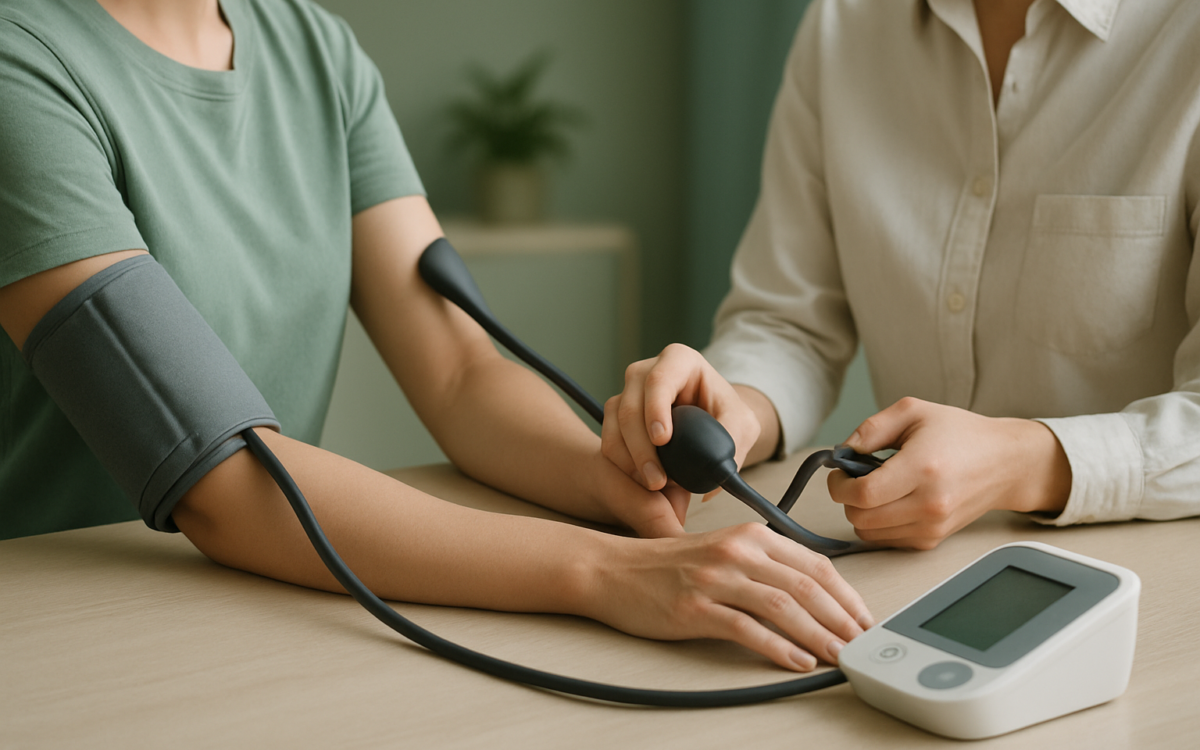
High blood pressure, also known as hypertension, is often called the “silent killer” because it typically has no symptoms. Many people may not realize they have it until serious health problems occur. Managing blood pressure is crucial to reducing the risk of heart disease, stroke, and kidney issues. Fortunately, there are several practical steps you can take to help lower and maintain healthy blood pressure levels.
Understanding Blood Pressure
Blood pressure measures the force of blood pushing against the walls of the arteries. It’s recorded with two numbers: systolic (the pressure when your heart beats) and diastolic (the pressure when your heart is resting between beats). A normal reading is usually around 120/80 mm Hg. When readings consistently exceed 130/80 mm Hg, doctors typically classify it as hypertension.
Embrace a Heart-Healthy Diet
Your diet can significantly influence your blood pressure. Here are some dietary changes to consider:
- Reduce sodium intake: Limit added salt to your meals. The American Heart Association recommends an intake of no more than 2,300 milligrams (about one teaspoon) a day.
- Increase potassium-rich foods: Foods like bananas, sweet potatoes, and spinach can help counteract sodium’s effects. Aim for a diet that leans heavily on fruits, vegetables, whole grains, and lean proteins.
- Adopt the DASH diet: The Dietary Approaches to Stop Hypertension (DASH) diet focuses on whole foods that are low in saturated fat and rich in nutrients.
Regular Physical Activity
Exercise is another powerful tool for managing blood pressure. Regular physical activity strengthens your heart, enabling it to pump blood more efficiently. Incorporate the following:
- Aerobic exercise: Aim for at least 150 minutes of moderate aerobic activity, such as brisk walking, every week. Activities like cycling, swimming, or even gardening can be beneficial.
- Strength training: Include muscle-strengthening exercises at least two days a week, such as lifting weights or doing push-ups.
- Stay active throughout the day: Simple changes like taking stairs instead of elevators can add up and contribute to your overall activity level.
Manage Stress Effectively
Chronic stress is a contributor to high blood pressure. When you face stress, your body releases hormones that temporarily increase your blood pressure. Here are some effective ways to manage stress:
- Practice relaxation techniques: Techniques such as deep breathing, meditation, and yoga can help calm your mind and reduce stress levels.
- Engage in hobbies: Dedicate time to activities that bring you joy, whether it’s painting, gardening, or playing music.
- Connect with loved ones: Maintain social connections; community support plays a vital role in managing stress.
Maintain a Healthy Weight
Excess weight is a significant risk factor for hypertension. Losing even a small amount of weight can help reduce your blood pressure. Consider these tips for weight management:
- Monitor portion sizes: Be mindful of how much food you eat at each meal.
- Set realistic goals: Aim for gradual, sustainable weight loss rather than quick fixes.
- Consider international treatment options: If you’re struggling to manage your weight, exploring programs like those offered by Acibadem International could provide valuable resources and support.
Avoid Tobacco and Limit Alcohol Consumption
Both tobacco and excessive alcohol can elevate blood pressure. If you smoke, seek help to quit. As for alcohol:
- Limit intake: Men should aim to have no more than two drinks a day, while women should keep it to one.
- Be mindful of your choices: Opt for healthier choices and practice moderation.
Stay Informed and Regular Check-ups
Regularly monitor your blood pressure, especially if you have a family history of hypertension. Keeping track can help you notice any changes early on. Consult your healthcare provider to establish a plan tailored for you. They can recommend additional treatments if lifestyle adjustments aren’t enough.
When to See a Doctor
If you experience consistently elevated blood pressure readings, or if you exhibit symptoms like headaches, dizziness, or vision issues, it’s vital to consult with a healthcare professional. Your doctor can provide a comprehensive evaluation and suggest appropriate treatment options.
Incorporating these strategies into your daily routine can significantly help in managing and reducing high blood pressure. Remember that lifestyle changes take time and commitment. The important thing is to find strategies that work for you and to seek support when necessary. Small, consistent changes can lead to tremendous health benefits.
