
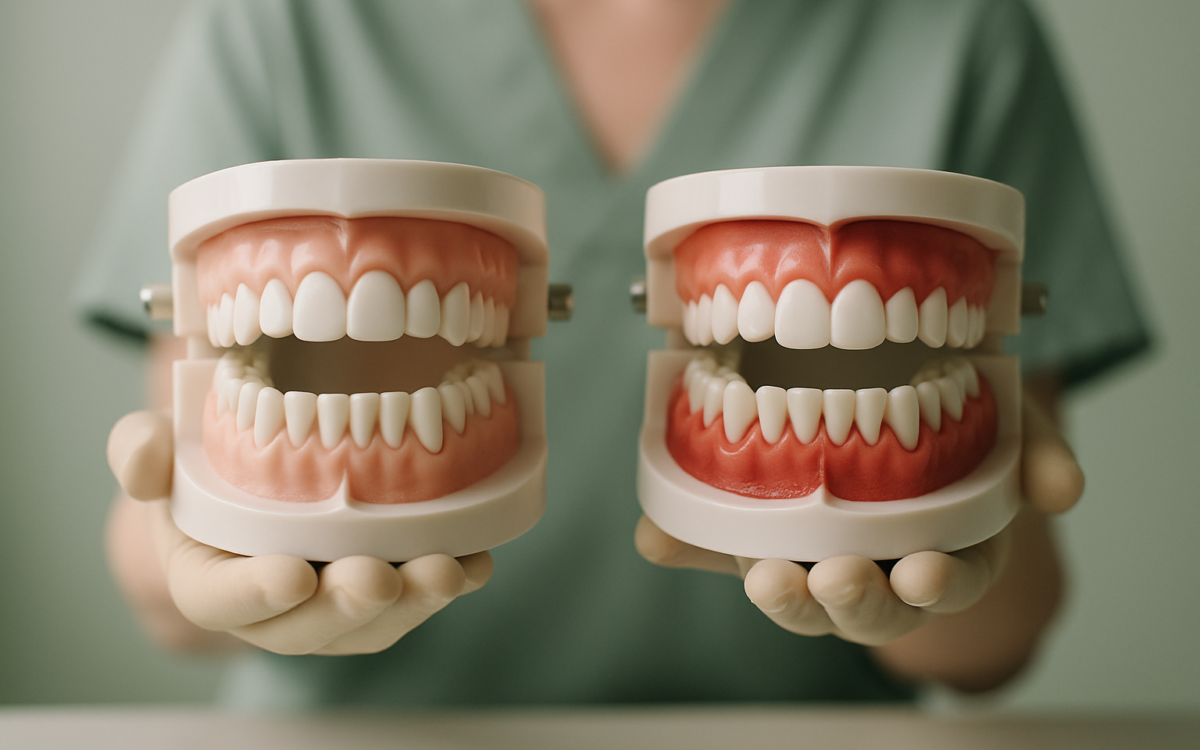
Your smile is one of your most valuable assets, and keeping it bright and healthy goes beyond just brushing and flossing. Understanding the state of your gums is essential for overall oral health. Healthy gums are firm and pale pink in color, while gingivitis, a common gum disease, can lead to red, swollen, and bleeding gums. This article will explore the critical differences between healthy gums and gingivitis, the warning signs to watch for, and tips for keeping your gums in top shape.
What Are Healthy Gums?
Healthy gums are crucial for maintaining overall oral hygiene. They serve as the protective barrier for your teeth and the supporting structures underneath. Here are some characteristics of healthy gums:
- Color: Healthy gums should be a light shade of pink, with no discoloration.
- Texture: The surface of healthy gums is smooth and firm, without any swelling or rough patches.
- Function: Healthy gums do not bleed when brushing or flossing and provide a strong foundation for your teeth.
Maintaining healthy gums is essential not just for your smile but also for your overall health. Research has shown that gum disease can have links to various systemic health issues such as heart disease and diabetes. You can read more about the importance of gum health on the CDC website.
What Is Gingivitis?
Gingivitis is the early stage of gum disease and is characterized by inflammation of the gums. It occurs when plaque—a sticky film of bacteria—builds up on your teeth and gums and is not removed through regular brushing and flossing. If left untreated, gingivitis can progress to a more severe form of gum disease known as periodontitis, where you may start to lose teeth.
Some common signs of gingivitis include:
- Red or swollen gums.
- Gums that bleed when brushing or flossing.
- Persistent bad breath.
- Receding gums.
It’s essential to recognize these symptoms early to prevent further complications. According to the Mayo Clinic, gingivitis is often reversible with good oral hygiene and regular dental checkups.
Causes of Gingivitis
Understanding what causes gingivitis can help you take steps to prevent it. The most common causes include:
- Plaque buildup: When plaque is not regularly cleaned off, it hardens into tartar, which can irritate the gums.
- Poor oral hygiene: Inadequate brushing and flossing allows plaque to accumulate, leading to inflammation.
- Smoking or chewing tobacco: These habits can impair gum health.
- Hormonal changes: Life stages such as puberty, menstruation, pregnancy, and menopause can make gums more sensitive.
- Certain medical conditions: Diseases like diabetes and certain medications can affect gum health.
Maintaining good oral hygiene practices can mitigate many of these factors. Regular visits to the dentist for cleanings and check-ups are also vital for preventing gingivitis.
Preventing Gingivitis
Prevention is the best strategy for keeping your gums healthy. Here are some effective tips:
- Regular brushing and flossing: Aim to brush your teeth at least twice a day and floss daily to keep plaque at bay.
- Use mouthwash: An antimicrobial mouthwash can help reduce plaque accumulation and maintain gum health.
- Eat a balanced diet: Foods rich in vitamins, especially vitamin C, are essential for gum health. Crunchy fruits and vegetables can also help clean teeth as you chew.
- Stay hydrated: Drinking plenty of water helps maintain saliva flow, which is natural defense against bacteria.
- Quit smoking: If you smoke, consider quitting to improve your oral health and overall well-being.
By following these tips, you can promote healthy gums and significantly reduce the risk of gingivitis.
When to See a Doctor
If you notice signs of gingivitis, such as persistent gum bleeding or swelling, it’s essential to consult a healthcare professional. Early intervention can prevent the condition from worsening. Furthermore, if you have risk factors like diabetes or a family history of gum disease, regular check-ups with your dentist can help catch any issues before they become serious.
Conclusion
Your oral health is an important aspect of your overall well-being. Understanding the difference between healthy gums and gingivitis empowers you to make informed choices about your dental care. By practicing good oral hygiene and paying attention to the signs of gum disease, you can maintain a healthy smile for years to come. Always consult your dentist for personalized advice tailored to your unique needs.
