
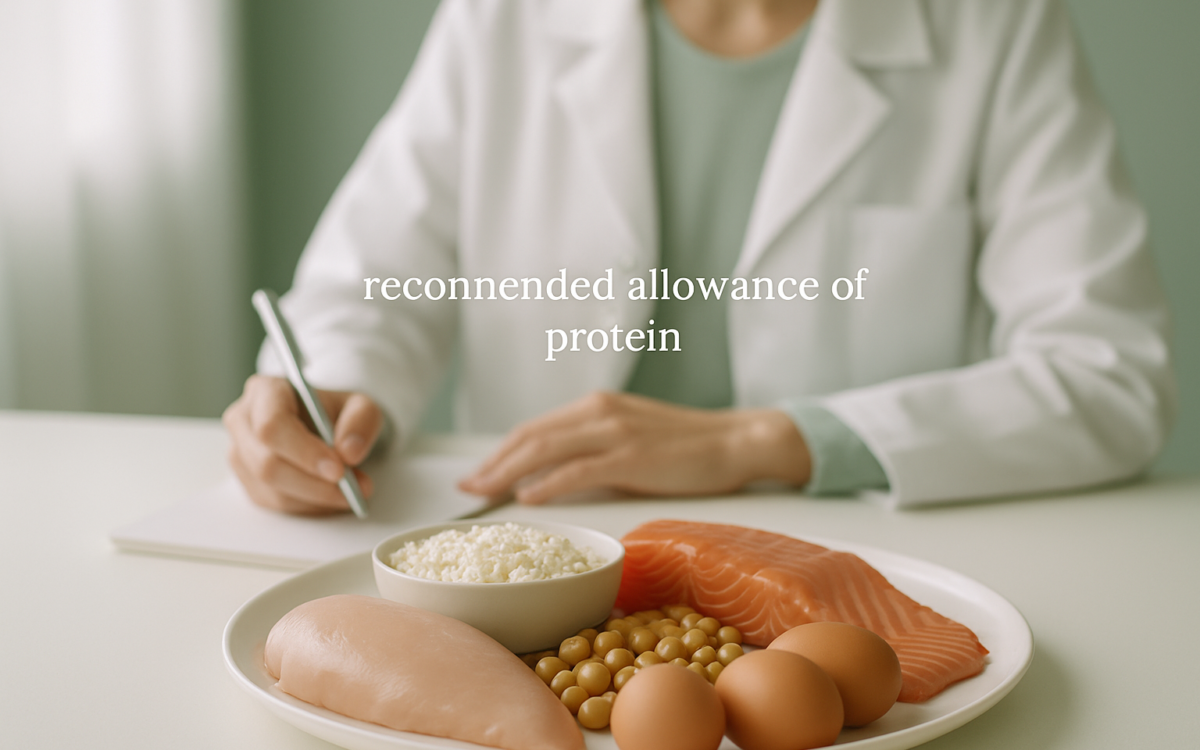
Protein is a vital nutrient that plays many important roles in the body. From building and repairing tissues to supporting immune functions, it is central to maintaining overall health. But how much protein does one actually need? Understanding the recommended allowance of protein can help you make informed dietary choices.
What is the Recommended Allowance of Protein?
The recommended allowance of protein varies based on several factors, including age, sex, and level of physical activity. Generally, the Dietary Reference Intake (DRI) suggests that adults should consume about 46 grams of protein per day for women and 56 grams for men. Children and adolescents require different amounts depending on their growth stages.
However, these numbers serve as a baseline. Active individuals, those looking to build muscle mass, or those recovering from illness may need more.
How Much Protein Do You Really Need?
To determine your ideal protein intake, consider the following:
- Body weight: A common guideline is to aim for 0.36 grams per pound (or 0.8 grams per kilogram) of body weight. This can increase to 1.2 to 2.0 grams per kilogram for athletes or those engaging in regular intense exercise.
- Life stage: Young children, teenagers, pregnant women, and the elderly may require more protein for growth, development, or maintenance of muscle mass.
- Health conditions: Certain medical conditions, like injuries or chronic illnesses, may increase protein needs. Always consult your healthcare provider for personalized advice.
Sources of Protein
Getting enough protein is crucial, but choosing your sources wisely is equally important. Here are some excellent options:
- Animal-based sources: These include meat, fish, eggs, and dairy products. They typically contain all essential amino acids the body needs.
- Plant-based sources: Beans, lentils, nuts, seeds, and whole grains are rich in protein and can be excellent alternatives for vegetarians and vegans. Combining different sources can help create a complete protein profile.
- Protein supplements: Protein powders or meal replacement shakes can be convenient options, particularly for athletes or those on-the-go. However, it’s important to check for quality and not rely solely on supplements for nutrition.
Protein and Health
Protein doesn’t just support muscle health; it also has numerous benefits for overall well-being. Here are a few:
- Weight management: High-protein diets may contribute to feelings of fullness, which can help control hunger and promote weight loss.
- Muscle maintenance: Adequate protein intake helps preserve lean muscle mass, especially as you age.
- Immune function: Certain proteins are vital for producing antibodies, which are essential for fighting off infections.
International Perspectives on Protein Intake
Nutrition needs can also differ significantly from one region to another. In some countries, the typical diet may be higher in plant-based proteins, while others lean towards animal proteins. In Turkey, for example, the protein sources often include lamb, poultry, and legumes, offering a diverse intake. For those seeking specialized treatments or dietary consultations, treatment in Turkey offers innovative options.
Understanding cultural dietary practices can provide insights into varying protein needs and preferences, ensuring a personalized approach to health.
Tips for Improving Your Protein Intake
Here are some simple strategies to incorporate more protein into your diet:
- Start your day with protein: Opt for eggs or Greek yogurt at breakfast.
- Snack smart: Choose protein-rich snacks, such as nuts, cheese, or yogurt.
- Read labels: Check food labels for protein content to make informed choices.
- Mix and match: Combine different protein sources to meet your needs and keep meals interesting.
When to See a Doctor
If you’re unsure about how much protein you should consume or if you have specific health concerns regarding your diet, it’s important to consult a healthcare professional. They can provide guidance based on your individual health needs, lifestyle, and dietary goals.
In conclusion, understanding the recommended allowance of protein is beneficial for maintaining overall health and well-being. By being mindful of your protein sources and needs, you can tailor your diet to support your health journey effectively.
