
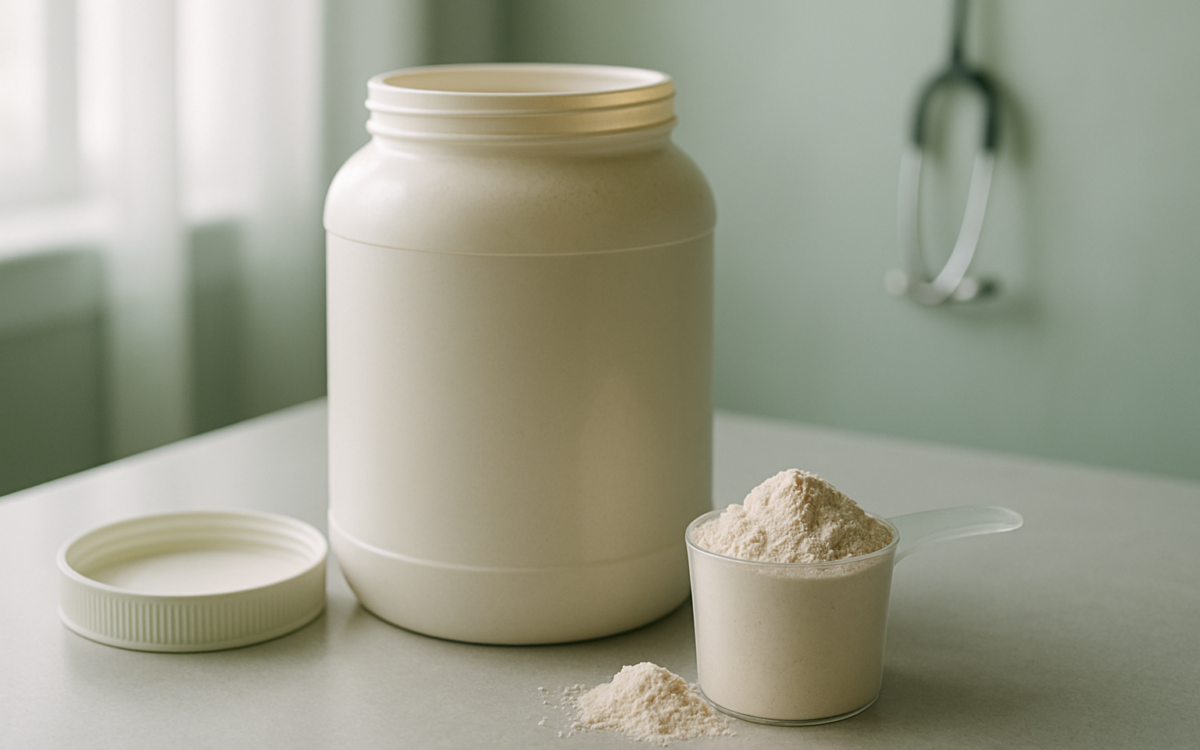
Protein powder is a staple in many diets, especially for those looking to build muscle, lose weight, or simply add more protein to their meals and snacks. However, like many food products, protein powder comes with a shelf life and considerations regarding expiration. Understanding how long protein powder lasts and the best ways to store it can ensure you get the most out of this convenient supplement.
Does Protein Powder Expire?
The short answer is yes, protein powder does expire. However, the precise expiration date can vary based on several factors including the type of protein powder, its ingredients, and how it is stored. Most protein powders have a label that indicates a ‘best by’ or ‘use by’ date, which suggests the period during which the product is expected to maintain its best quality. These dates aren’t always about food safety but rather about optimal flavor and nutritional value.
According to studies, many protein powders, if stored properly, can still be safe to consume after the expiration date, but there are exceptions. Protein powders that have been exposed to heat, moisture, or air are more likely to spoil and lose their potency. For this reason, storage methods become crucial.
Types of Protein Powder
Protein powders can be derived from a variety of sources, each having unique properties:
- Whey Protein: A popular choice, whey is derived from milk. It typically has a shelf life of 1-2 years if unopened, and around a year once opened.
- Casein Protein: Also from milk, casein has a similar shelf life to whey. It digests more slowly, providing a sustained release of amino acids.
- Plant-Based Protein: These powders come from sources like peas, rice, or hemp. Their shelf life can range from 1-2 years but be cautious with additives like flavorings and sweeteners.
- Egg White Protein: This powder generally has a shelf life of about 2 years. It’s also rich in essential amino acids.
Signs of Spoilage
Even if your protein powder is within the expiration date, it’s wise to check for signs of spoilage. Here are some indicators to watch out for:
1. Off Smell:
If your protein powder smells rancid or has an unusual odor, it could be a sign that it has gone bad. Fresh protein powder should have a neutral scent.
2. Change in Color or Texture:
A drastic change in color or the presence of clumps can indicate moisture exposure or spoilage.
3. Taste:
If you take a small taste and it doesn’t taste right—bitter or unpleasant—it’s best to discard it.
Proper Storage of Protein Powder
To maximize the shelf life of your protein powder, proper storage is essential:
- Keep it Sealed: Always close the lid tightly after each use to minimize air exposure.
- Store in a Cool, Dry Place: A pantry or cupboard is usually sufficient. Avoid places that get hot or humid, like above the stove or bathroom.
- Use Desiccants: Some protein powders come with desiccant packets, which help absorb moisture. Keep these in the container.
- Avoid Contamination: Use a clean scoop when taking protein powder to avoid introducing bacteria or moisture.
What Happens if You Consume Expired Protein Powder?
While consuming expired protein powder isn’t always dangerous, there are some risks to consider. If your protein powder is well past the expiration date or exhibits any signs of spoilage, it’s best to avoid it. Consuming spoiled protein may lead to digestive discomfort, symptoms like nausea or diarrhea, or even foodborne illnesses in rare cases.
Always prioritize your health by regularly checking your protein powder and disposing of anything that looks or smells off. A good practice is to regularly rotate through your supplements, using the older products first.
When to See a Doctor
If you suspect you have consumed spoiled protein powder and experience adverse symptoms, it’s advisable to consult a healthcare professional, especially if symptoms persist or worsen. The same goes if you experience ongoing digestive issues without a clear cause.
Conclusion
Understanding whether protein powder expires and how to store it can maximize its safety and benefits in your diet. Always check for signs of spoilage, adhere to recommended storage practices, and be conscientious about expiration dates. This way, you can incorporate protein powder into your nutrition plan without concern. For further guidance, consider consulting professional sources such as the National Institutes of Health or the Mayo Clinic.
