
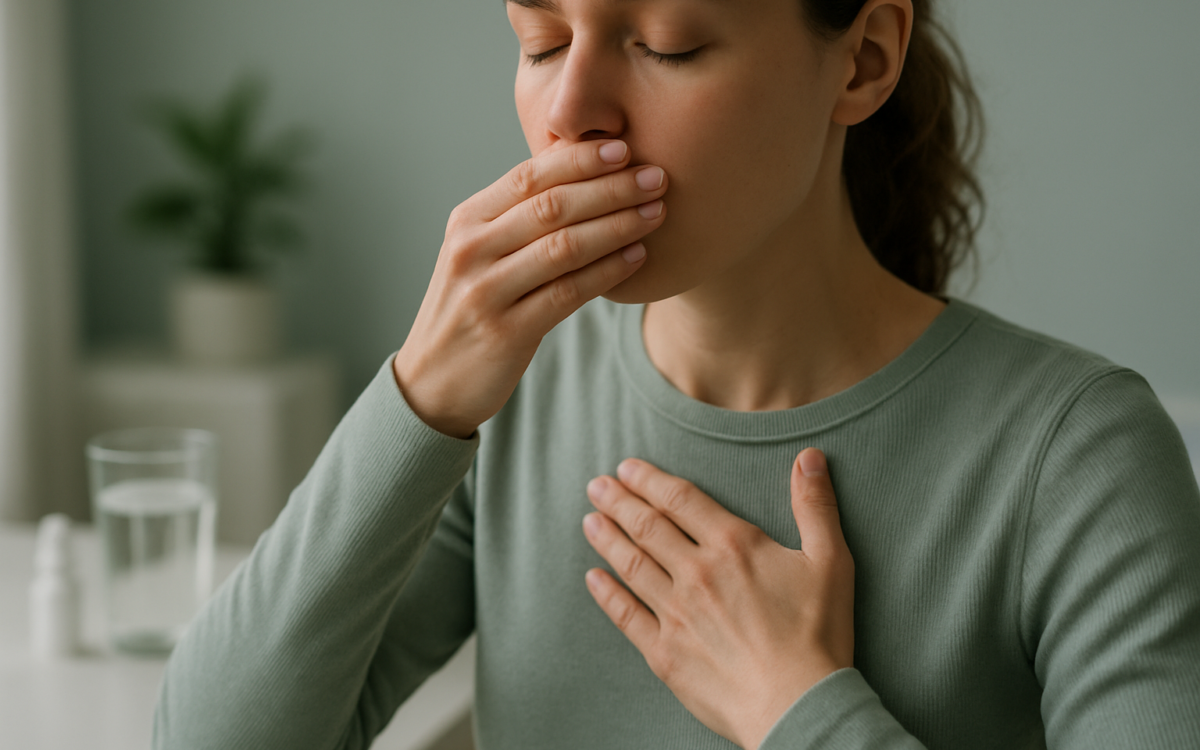
Anxiety can feel overwhelming at times, leaving us in a state of panic or worry. Whether you’re facing a stressful situation at work, preparing for an exam, or simply navigating through daily life, knowing how to quickly alleviate anxiety is essential. Fortunately, there are several techniques you can adopt right now to help calm your mind and body.
Understand the Nature of Anxiety
Anxiety is a natural response to stress and can manifest as feelings of apprehension, fear, or dread. It prepares us to confront challenges or dangers, but sometimes this reaction can become excessive or disproportionate. Recognizing that anxiety is a common experience can help reduce its immediate impact on your life.
1. Practice Deep Breathing
One of the simplest and most effective techniques for reducing anxiety is deep breathing. This method helps signal to your brain that you’re safe, reducing the body’s stress response. Here’s how to do it:
- Find a quiet space where you can sit or lie down comfortably.
- Close your eyes if you feel comfortable doing so.
- Inhale deeply through your nose for a count of four, allowing your chest and belly to rise.
- Hold your breath for a count of four.
- Exhale slowly through your mouth for a count of six to eight, letting go of tension.
- Repeat this cycle for a few minutes.
According to the NIH, deep breathing techniques can significantly reduce anxiety and promote relaxation. Try to make this a habit, practicing it whenever you start feeling anxious.
2. Engage in Grounding Techniques
Grounding techniques help anchor you to the present moment, reducing feelings of anxiety. Here’s a quick method known as the 5-4-3-2-1 technique:
- Notice 5 things you can see around you.
- Identify 4 things you can touch.
- Listen for 3 sounds you can hear.
- Smell 2 scents you can detect.
- Taste 1 thing in your mouth (or think about your favorite food).
By focusing on your surroundings, you can create a sense of stability and safety, reducing anxiety levels significantly.
3. Utilize Mindfulness Meditation
Mindfulness meditation is a powerful tool for calming an anxious mind. This practice encourages you to observe your thoughts and feelings without judgment. Even a few minutes can make a difference. Here’s a quick way to start:
- Find a comfortable position sitting or lying down.
- Close your eyes and take a few deep breaths to settle in.
- Focus your attention on your breathing, noticing each inhale and exhale.
- When thoughts arise, acknowledge them without judgment, then gently bring your focus back to your breath.
- Continue this practice for 5-10 minutes.
Engaging in mindfulness can significantly reduce anxiety symptoms, as noted by the WHO.
4. Physical Activity to Lift Your Mood
Physical activity is a proven way to combat anxiety. Exercise releases endorphins, which can help improve your mood and enhance your overall sense of well-being. You don’t need to spend hours at the gym—simple activities can make a difference:
- Go for a brisk walk outside and enjoy the fresh air.
- Try a short yoga routine at home, focusing on stretches and breathing.
- Dance to your favorite music for a fun and energizing workout.
Even a quick walk or some light stretching can help снизить anxiety rapidly.
5. Reach Out to Someone
When anxiety strikes, it can be helpful to talk to someone you trust. Sharing your feelings can lighten the emotional load you are carrying. Whether it’s a friend, family member, or colleague, simply expressing what you are going through can be a significant relief. If you can’t speak to someone right away, consider journaling your thoughts. Writing can also be a therapeutic outlet.
If you’re not comfortable discussing your feelings at the moment, you might try texting or messaging someone to connect without immediate pressure. Engaging with others can provide valuable support and instant distraction from anxious thoughts.
6. Limit Caffeine and Sugar Intake
What you consume can impact your anxiety levels. Caffeine can stimulate the nervous system and exacerbate feelings of anxiety, while high sugar levels can lead to energy crashes that may heighten stress. Here are some quick tips:
- Opt for herbal teas instead of coffee or caffeinated drinks.
- Choose whole foods and complex carbohydrates, which can help stabilize blood sugar levels.
- Stay hydrated with plenty of water throughout the day.
Paying attention to what you eat can help manage anxiety more effectively.
When to See a Doctor
If your anxiety becomes overwhelming or leads to debilitating feelings, it’s essential to consult a healthcare professional. Persistent anxiety can be a sign of an anxiety disorder or other underlying conditions that might benefit from therapeutic intervention. Don’t hesitate to seek help if you or someone you know is struggling with anxiety.
Consulting sources like the Mayo Clinic can provide additional information about recognizing when professional support is needed.
When facing anxiety, implementing these quick strategies can provide immediate relief and help you feel more grounded. Remember that it’s okay to seek professional help, and with time and practice, you can develop a toolkit of strategies to navigate anxiety effectively.
