
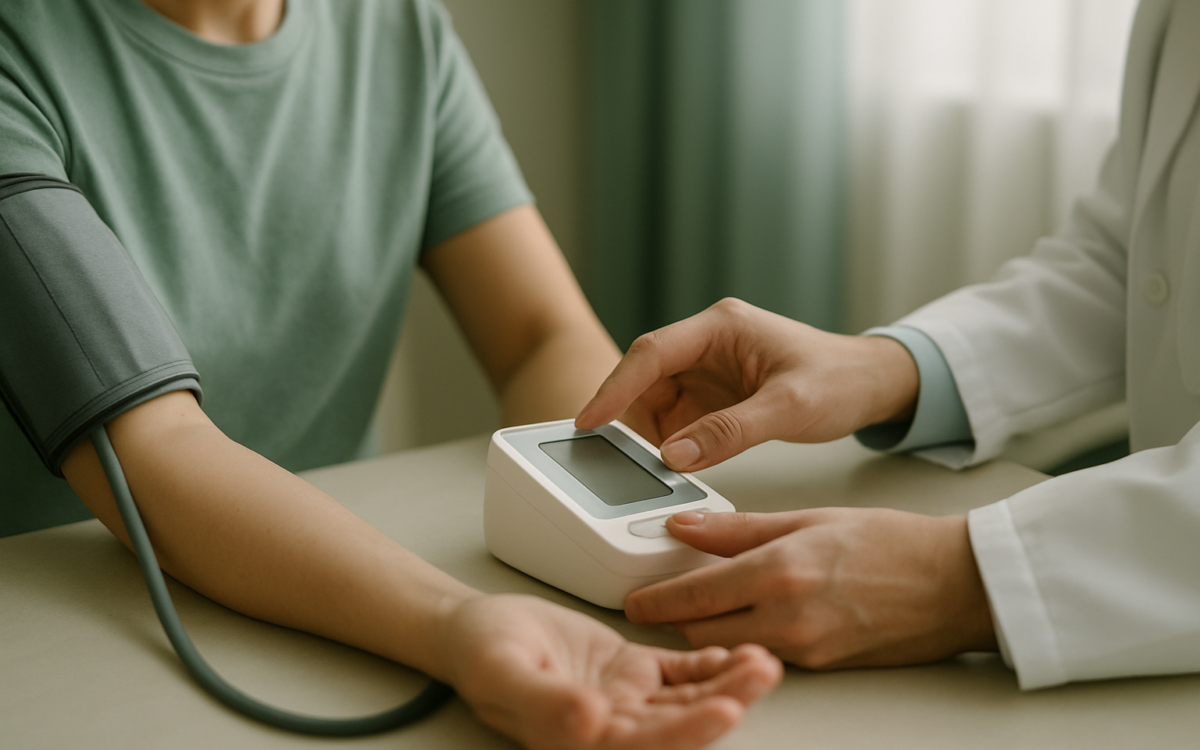
High blood pressure, or hypertension, affects millions of people worldwide. It’s often called the ‘silent killer’ because many don’t realize they have it until serious complications arise. Fortunately, if you find yourself needing to lower your blood pressure quickly, there are several strategies you can use. In this article, we will explore effective techniques backed by research and expert opinions, helping you manage your blood pressure more effectively.
Understanding Blood Pressure Basics
Blood pressure is measured in millimeters of mercury (mmHg) and recorded with two numbers: systolic (the upper number) and diastolic (the lower number). Normal blood pressure is generally considered to be around 120/80 mmHg. Elevated blood pressure occurs when these numbers rise, leading to increased risks of heart attack, stroke, and other health issues.
Deep Breathing and Relaxation Techniques
One of the quickest ways to lower blood pressure is through relaxation techniques. Stress can significantly affect your blood pressure levels. By incorporating deep breathing exercises or mindfulness practices into your day, you can promote a sense of calm.
Deep Breathing Exercises
- Find a quiet place where you can sit comfortably.
- Inhale deeply through your nose for a count of four, allowing your abdomen to expand.
- Hold your breath for another count of four.
- Exhale slowly through your mouth for a count of six.
Repeat this cycle for several minutes. Studies have shown that deep breathing can lower blood pressure and reduce stress (source: NIH).
Staying Hydrated
Dehydration can lead to your blood pressure rising. Ensuring you drink plenty of water can help your body maintain optimal function. Try to drink at least 8-10 glasses of water a day. If you find yourself feeling thirsty, that’s a sign you may already be dehydrated.
Your Diet Matters
What you eat can have a significant impact on your blood pressure levels. Here are some dietary strategies you can implement immediately:
Reduce Sodium Intake
High sodium consumption can elevate blood pressure. Aim to limit your intake to less than 2,300 mg per day. Read food labels, and cut back on processed foods, which often contain high levels of sodium.
Increase Potassium-Rich Foods
Potassium helps balance the amount of sodium in your cells. Foods rich in potassium include:
- Bananas
- Sweet potatoes
- Spinach
- Beans
- Avocado
Incorporating these foods into your diet can support lower blood pressure levels.
Physical Activity and Movement
Engaging in physical activity can rapidly reduce your blood pressure. If you need to lower your blood pressure quickly, consider a brisk walk or some light aerobic exercise. Even a short 10- to 15-minute walk can provide immediate benefits.
Additionally, movements like stretching or mild yoga can help relieve tension. Practicing exercises like the child’s pose or deep lunges can promote relaxation and support cardiovascular health.
Alternative Treatments and International Options
For individuals looking for further assistance in managing hypertension, exploring alternative treatments may be beneficial. International facilities like acibademinternational.com offer various programs centered on integrative approaches to treating high blood pressure, combining traditional and modern therapy methods.
These options might include acupuncture, herbal medicine, or more specialized dietary regimes tailored to individual needs. Always consult with a healthcare professional before trying new treatments.
When to See a Doctor
If your blood pressure remains high despite your efforts, or if you experience symptoms like severe headaches, vision changes, or chest pain, it is essential to seek medical attention. Chronic hypertension can lead to serious complications if not managed properly.
Conclusion
While it’s important to have long-term strategies for managing blood pressure, these immediate methods can be effective tools in a pinch. Embracing relaxation techniques, proper hydration, dietary adjustments, active living, and exploring alternative treatments can help you manage your blood pressure naturally and enhance your overall well-being. Always consider discussing with your doctor before making significant changes to your health routine.
