
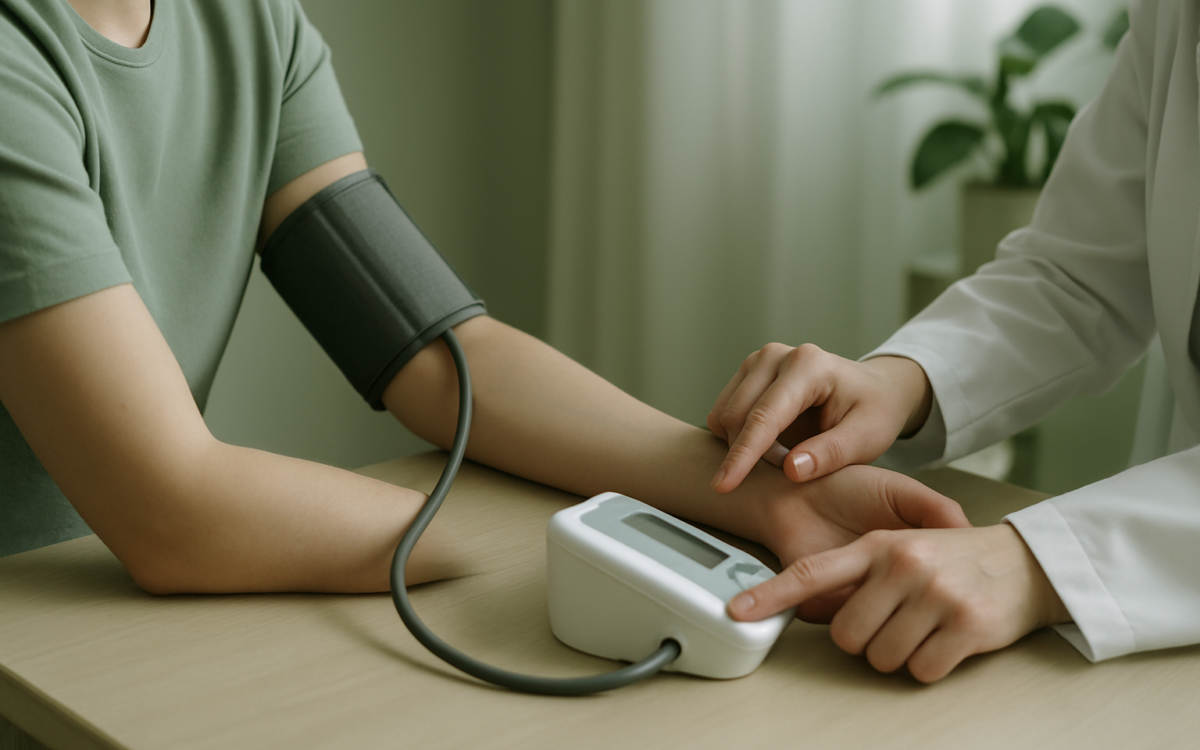
Living with high blood pressure can feel overwhelming, but you have more control than you think. Whether you’re heading to the doctor’s office or preparing for a busy day, knowing how to lower blood pressure quickly is an essential skill. Fortunately, there are several natural and immediate tactics you can adopt to help get your blood pressure under control.
Understanding Blood Pressure
Blood pressure is the force of blood pushing against the walls of your arteries. It’s measured in two numbers: systolic (the pressure when your heart beats) and diastolic (the pressure between beats). A normal reading is typically around 120/80 mmHg. When these numbers get higher, particularly over 130/80 mmHg, you may find yourself in the realms of elevated blood pressure or hypertension.
Dietary Changes
Your diet has a profound impact on blood pressure, making it one of the fastest ways to see results. Here are several changes that can make a significant difference:
- Reduce Salt Intake: High sodium levels can raise blood pressure. Aim for no more than 2,300 milligrams of sodium a day, or about one teaspoon. Consider switching to herbs and spices for flavor.
- Increase Potassium: Potassium helps balance sodium levels in your body. Good sources include bananas, oranges, potatoes, spinach, and beans.
- Eat More Fruits and Vegetables: A diet rich in fruits and vegetables can help lower blood pressure. Aim for at least five servings a day for optimal benefits.
- Limit Processed Foods: Processed foods often contain high levels of sodium and unhealthy fats, which can exacerbate hypertension.
Exercise Regularly
Engaging in physical activity can lead to significant improvements in blood pressure. Even short bursts of exercise can help:
- Take a brisk walk: A walk for just 30 minutes most days can help lower blood pressure.
- Try deep breathing or yoga: These practices not only help lower stress but can also significantly impact blood pressure.
- Incorporate strength training: Lifting weights two days a week can also improve your overall cardiovascular health.
Manage Stress Effectively
Stress is a known contributor to high blood pressure. Managing it effectively is essential:
- Practice mindfulness: Techniques like meditation can help calm your mind. Allocate a few minutes each day to focus solely on your breath.
- Spend time outdoors: Nature has a calming effect on the body and mind. Enjoy a park or garden to unwind.
- Connect with friends: Social connections provide emotional support and can lower stress levels.
Hydration is Key
Staying hydrated is crucial for maintaining blood pressure:
- Drink plenty of water: Dehydration can lead to higher blood pressure. Aim for at least 8-10 glasses of water a day.
- Avoid sugary drinks: Replace soda and sugary juices with water, herbal teas, or infused water for a healthier option.
Exploring International Treatments
In addition to diet and lifestyle changes, some people seek medical therapies from various countries to address their high blood pressure. For example, effective therapies from regions with extensive experience in heart health can provide additional support alongside traditional methods. Sites like acibademinternational.com can offer insights into advanced treatments available globally.
When to See a Doctor
If you find that your blood pressure remains high despite these changes, it may be time to consult a healthcare professional. Symptoms such as headaches, shortness of breath, or nosebleeds, and a consistent reading above 130/80 mmHg, necessitate medical advice. Never hesitate to reach out to a provider for personalized guidance.
Conclusion
Lowering blood pressure can be achieved through simple lifestyle tweaks and dietary changes. While these methods can provide immediate relief, it’s essential to maintain them for long-term health benefits. Remember, persistent high blood pressure is serious and consulting a healthcare provider is vital if you have concerns. Take action today for a healthier tomorrow!
