
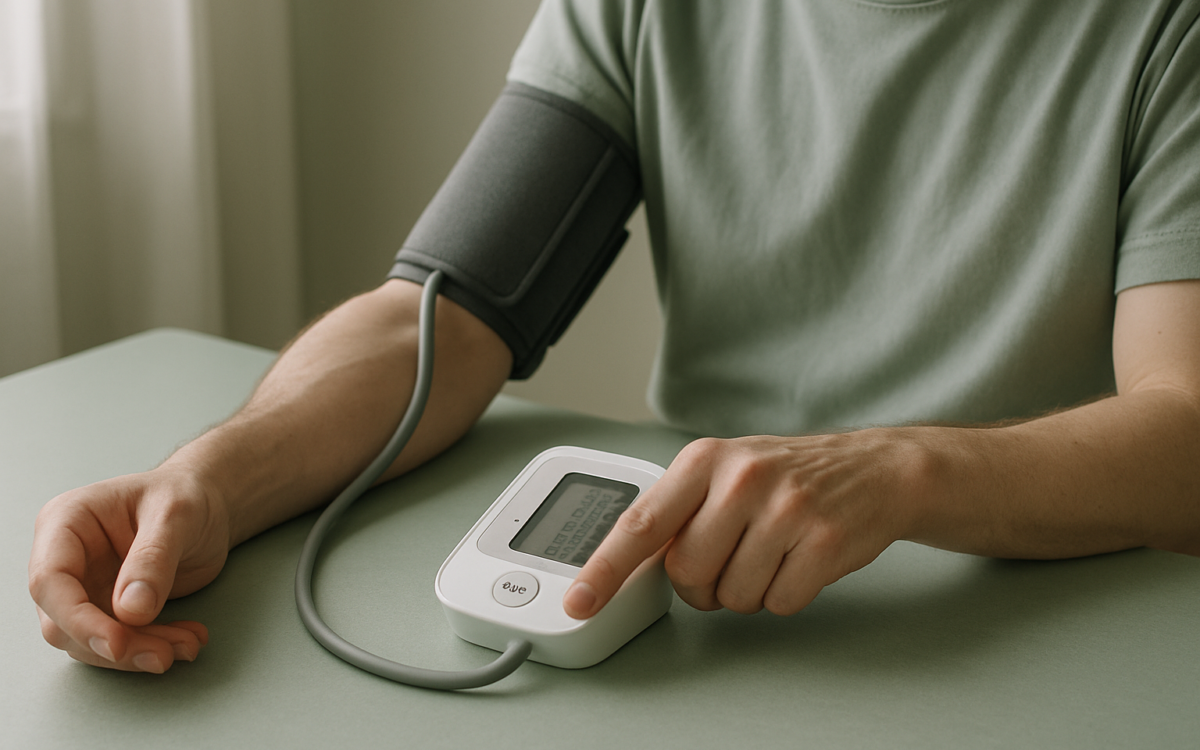
High blood pressure, or hypertension, is often called the “silent killer” because it usually has no symptoms. However, when blood pressure readings spike suddenly, it can cause immediate concerns and potential health risks. Fortunately, there are quick strategies to help reduce high blood pressure naturally and effectively. In this article, we will explore several methods that can support your heart health and provide immediate relief.
Understanding Blood Pressure Basics
Blood pressure is measured in millimeters of mercury (mm Hg) and consists of two numbers: systolic (the top number) and diastolic (the bottom number). Systolic pressure measures the pressure in your arteries when your heart beats, while diastolic pressure assesses the pressure between beats. Normal blood pressure is typically around 120/80 mm Hg. When readings consistently exceed 130/80 mm Hg, hypertension is diagnosed.
Practice Deep Breathing Techniques
Stress plays a significant role in raising blood pressure. One effective and immediate way to counter this is through deep breathing.
- Find a comfortable position: Sit or lie down in a quiet space.
- Inhale slowly: Breathe in deeply through your nose, letting your abdomen expand.
- Exhale gently: Release the breath slowly through your mouth, feeling tension melt away.
Spending just a few minutes practicing deep breathing can lower blood pressure and help calm your mind, making it easier to handle stressful situations. Try this technique whenever you feel tension rising.
Stay Hydrated
Drinking enough water can have a direct impact on your blood pressure levels. Dehydration can increase the risk of high blood pressure, while proper hydration can help maintain healthy blood volume.
Here are some tips for hydration:
- Drink regularly: Aim for at least 8 cups of water a day, adjusting for physical activity and climate.
- Avoid sugary drinks: Limit intake of sodas and juices that can spike blood sugar levels and potentially raise blood pressure.
- Eat hydrating foods: Incorporate fruits and vegetables like cucumbers, watermelon, oranges, and spinach into your diet, as they have high water content.
Utilize the Power of Movement
Physical activity is a potent way to reduce high blood pressure. Engaging in even moderate exercise can yield immediate benefits:
- Walk briskly: A 10-minute walk can stimulate circulation and lower blood pressure.
- Try stretching: Simple stretches can relieve tension in your muscles, promoting relaxation.
- Incorporate yoga: Gentle yoga poses, particularly those emphasizing breath and relaxation, can significantly impact blood pressure.
Finding ways to move—whether it’s taking the stairs, walking your dog, or dancing to your favorite tunes—can contribute to immediate reductions in blood pressure.
Eat a Healthy Snack
Your diet can play a critical role in managing blood pressure. Opt for healthy snacks that encourage better blood flow and reduce hypertension:
- Bananas: High in potassium, bananas help balance sodium levels, potentially reducing blood pressure.
- Nuts: A small handful of unsalted nuts can provide healthy fats and magnesium, which are beneficial for heart health.
- Dark chocolate: In moderation, dark chocolate (with at least 70% cocoa) can lower blood pressure due to its high flavonoid content.
Having these snacks on hand can not only satisfy cravings but also support your efforts in reducing high blood pressure.
Limit Salt Intake
Salt (sodium) can raise blood pressure by causing the body to retain more water, increasing blood volume. If you’re looking to cut your blood pressure down quickly, reducing your salt intake can be helpful:
- Check labels: Many processed foods contain high levels of sodium. Look for low-sodium options.
- Cook at home: Preparing meals yourself gives you control over the salt content.
- Use herbs and spices: Enhance flavor with herbs, spices, and citrus instead of salt.
Even a small reduction in salt can lead to noticeable changes in blood pressure.
When to See a Doctor
If you consistently experience high blood pressure or sudden spikes, it’s essential to consult a healthcare professional. Symptoms such as severe headaches, shortness of breath, or chest pain may indicate an emergency. Regular check-ups can also help monitor your blood pressure and overall heart health.
Conclusion
Managing high blood pressure can feel overwhelming, but there are practical, immediate strategies you can implement to start seeing results. By making simple lifestyle changes like practicing deep breathing techniques, staying hydrated, incorporating movement, eating healthy snacks, and limiting salt, you can take control of your heart health. Always remember to consult with a healthcare provider if you have concerns about your blood pressure.
