
Inflammation is a natural response of the body to injury or infection. However, chronic inflammation can lead to various health issues, including heart disease, diabetes, and arthritis. If you’re looking for quick ways to reduce inflammation in your body, several lifestyle changes and dietary adjustments can help you achieve that. Let’s explore some effective strategies you can incorporate into your daily routine.
Understanding Inflammation
Before diving into how to manage inflammation, it’s essential to understand what it is. Inflammation is part of the body’s healing process. When your body identifies a problem, like an injury or infection, it sends out white blood cells and chemicals to the affected area, causing redness, warmth, swelling, and pain. This response is crucial for healing. However, when inflammation becomes chronic, it can lead to serious health problems.
Eat Anti-Inflammatory Foods
One of the quickest ways to reduce inflammation is through your diet. Here are some anti-inflammatory foods to consider:
- Fruits and Vegetables: Berries, cherries, and leafy greens like spinach and kale are excellent choices.
- Fatty Fish: Salmon, mackerel, and sardines are rich in omega-3 fatty acids, which have anti-inflammatory properties.
- Nuts: Almonds and walnuts are good snacks that provide healthy fats that can help reduce inflammation.
- Spices: Turmeric and ginger contain compounds that can reduce inflammatory markers in the body.
Incorporating these foods into your meals can create a strong foundation for fighting inflammation quickly.
Stay Hydrated
Water is essential for nearly every part of our body, including our immune system. Staying hydrated helps carry nutrients to cells, flushes out toxins, and can help reduce inflammation. Aim for at least 8 glasses of water a day, and more if you’re physically active or live in a hot climate. Herbal teas, especially green tea, may also be beneficial due to their antioxidant content.
Exercise Regularly
Moving your body is one of the most effective ways to combat inflammation. Regular physical activity can help reduce the levels of inflammatory markers in your body. Here are some tips:
- Start Small: If you’re new to exercise, begin with 10-15 minute walks a few times a week and gradually increase.
- Mix It Up: Incorporate both aerobic exercises like jogging or swimming and strength training for balance.
- Stay Consistent: Aim for at least 150 minutes of moderate aerobic activity each week.
Even simple activities like walking, gardening, or dancing can significantly impact inflammation levels.
Manage Stress Levels
Chronic stress triggers inflammation in the body. Learning how to manage stress can affect your overall health positively. Here are some effective strategies:
- Meditation and Mindfulness: Practices like meditation, deep breathing, and yoga can significantly reduce stress.
- Quality Sleep: Aim for 7-9 hours of quality sleep each night. Good sleep hygiene can significantly help in managing stress.
- Connect with Others: Building a strong support network of friends or family can provide emotional relief and help reduce stress.
Finding what works for you is key; even simple changes can decrease your stress and, in turn, reduce inflammation.
Review Your Supplements
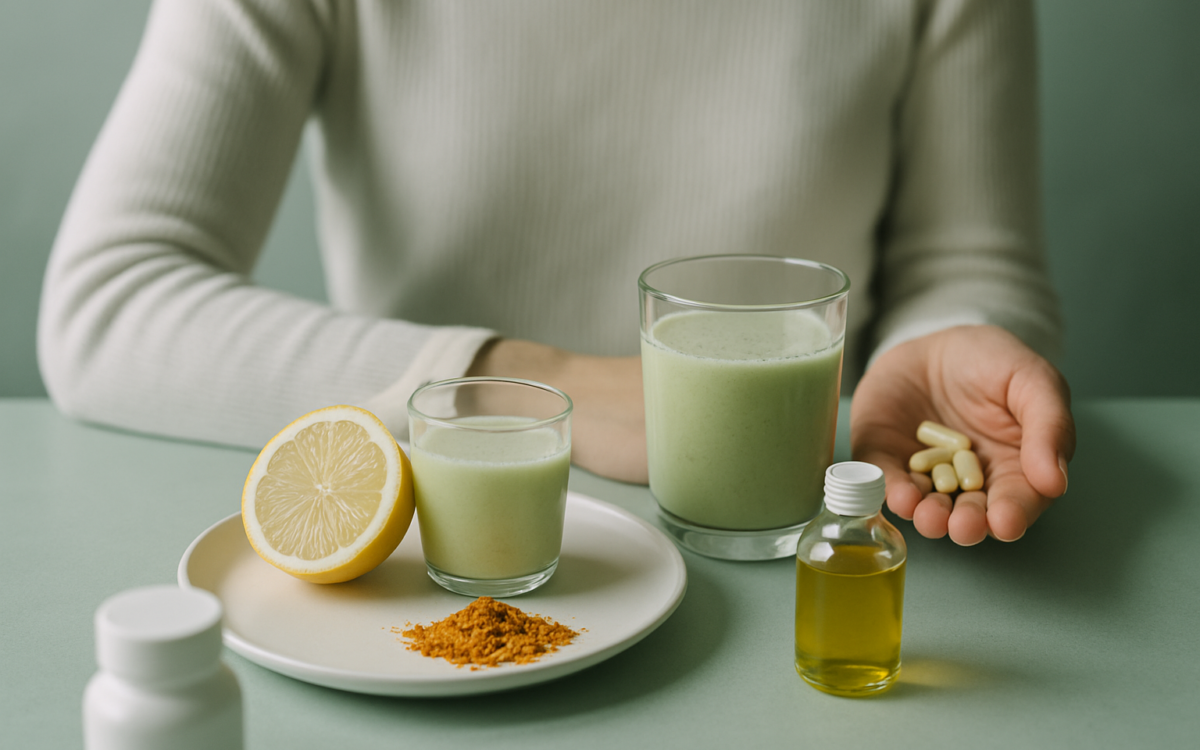
If you’re looking for a quick inflammation reduction, some dietary supplements may assist you. However, consult your healthcare provider before starting any new supplement regimen. Some popular ones include:
- Fish Oil: High in omega-3 fatty acids.
- Curcumin: The active ingredient in turmeric, shown to lower inflammation markers.
- Vitamin D: Low levels of vitamin D have been linked to increased inflammation.
While supplements are not a substitute for a healthy diet and lifestyle, they can complement your efforts to manage inflammation.
When to See a Doctor
While many of these strategies are effective for mild inflammation, it’s essential to consult a healthcare professional if you experience persistent inflammation, severe pain, or other concerning symptoms. Chronic inflammation can lead to more serious health issues, and your doctor can help determine the best course of action based on your individual health needs. Information from credible sources like the NIH and CDC can also provide additional context for your health conditions.
Conclusion
Reducing inflammation in the body quickly might seem daunting, but by making simple changes to your diet, exercise routine, and stress management strategies, it is achievable. By adopting an anti-inflammatory lifestyle, you not only help manage inflammation but also promote overall well-being. Remember, if you have any ongoing concerns about inflammation or related health issues, consult with your healthcare provider for personalized advice.
