
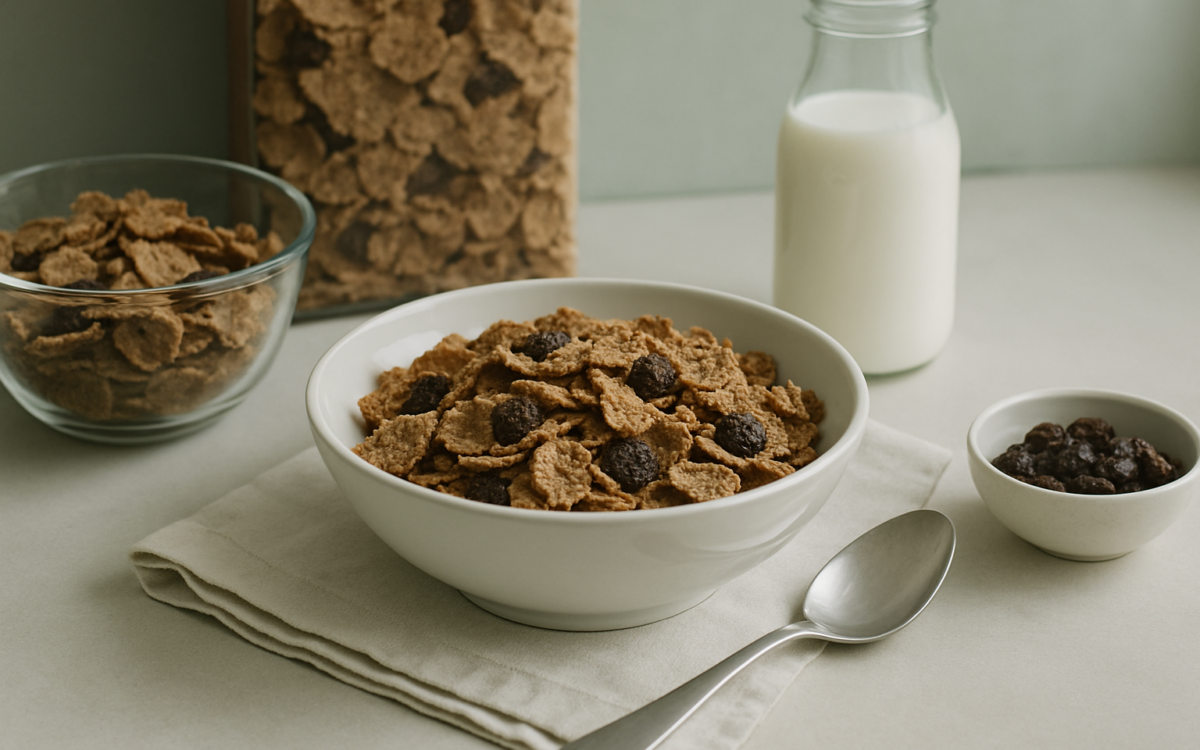
If you grew up eating breakfast cereal, chances are you’ve encountered raisin bran at some point. This classic cereal combines crispy bran flakes with sweet raisins, proving popular for generations. But when it comes to nutrition, you might wonder: Is raisin bran healthy? Let’s take a closer look at its ingredients, nutritional value, and whether it fits into a balanced diet.
The Ingredients Breakdown
Raisin bran primarily consists of two main components: bran flakes and raisins. Bran is made from the outer layer of whole grains and is packed with dietary fiber. Raisins, on the other hand, are dried grapes that add natural sweetness and additional nutrients.
What Makes Raisin Bran Nutritious?
At first glance, raisin bran can seem like a healthy breakfast option, largely due to its high fiber content. A typical serving of raisin bran contains about 7 grams of fiber, which is approximately 25% of the recommended daily intake for adults. Fiber is essential for digestive health and may help reduce the risk of various chronic diseases, such as heart disease and type 2 diabetes.
Furthermore, bran flakes are usually made from whole grains, which means they retain more nutrients compared to their refined counterparts. Whole grains are known to be better for heart health, providing essential nutrients like B vitamins, iron, potassium, and magnesium.
Potential Drawbacks
Despite its beneficial qualities, raisin bran isn’t free from potential downsides. One significant concern is the sugar content. Many commercial versions of raisin bran contain added sugars, which can translate to about 13 to 18 grams per serving. This added sugar can turn an otherwise healthy breakfast into one that isn’t as nutritious as it seems at first.
Furthermore, individuals watching their carbohydrate intake or trying to manage their weight should consider that the sugars in raisins, while natural, still contribute to the overall calorie count. If you’re consuming raisin bran for breakfast in addition to other sugary foods, it might lead to excessive sugar intake throughout the day.
Raisin Bran and Your Diet
Incorporating raisin bran into your diet can be a convenient and tasty way to increase fiber intake, but it’s essential to be mindful of portion sizes and added sugars. Here are a few tips for enjoying raisin bran while ensuring a balanced diet:
- Pair it with unsweetened almond or soy milk to reduce overall sugar consumption.
- Add fresh fruit like bananas or berries to enhance the flavor and nutritional value.
- Consider alternatives like oats or whole grain toast if you’re looking for lower sugar options.
For those considering international lifestyles or needing specialized options, seeking treatment in Turkey might also impact cereal choices based on local dietary patterns.
Does Raisin Bran Work for Everyone?
While raisin bran can be a good source of nutrients, it may not be suitable for everyone. Those with conditions like diabetes need to be cautious about sugar intake. It’s essential to talk with a healthcare professional if you’re unsure whether raisin bran aligns with your dietary needs.
Additionally, some people may experience digestive discomfort when consuming high-fiber foods like bran cereals. If you find that eating raisin bran leads to bloating or gas, you might consider reducing portion sizes or switching to a different fiber source.
Alternatives to Raisin Bran
If after considering the nutritional aspects of raisin bran you find it’s not the best fit for your diet, there are various healthy breakfast alternatives you can explore. Here are a few options:
- Oats: Rich in fiber and customizable with fruits and nuts.
- Whole grain toast: Top with avocado or nut butter for added nutrients.
- Greek yogurt: A protein-packed option that can be mixed with fruits.
- Quinoa or chia seed bowls: Packed with protein and healthy fats.
When to See a Doctor
If you experience persistent digestive issues or have concerns about how certain foods affect your health, consult a healthcare provider. They can provide individualized advice based on your personal health history.
In conclusion, raisin bran offers a convenient way to get fiber and some essential nutrients, but it’s vital to be aware of its sugar content and how it fits into your overall diet. By making informed choices, you can decide if raisin bran is a healthy option for you.
