
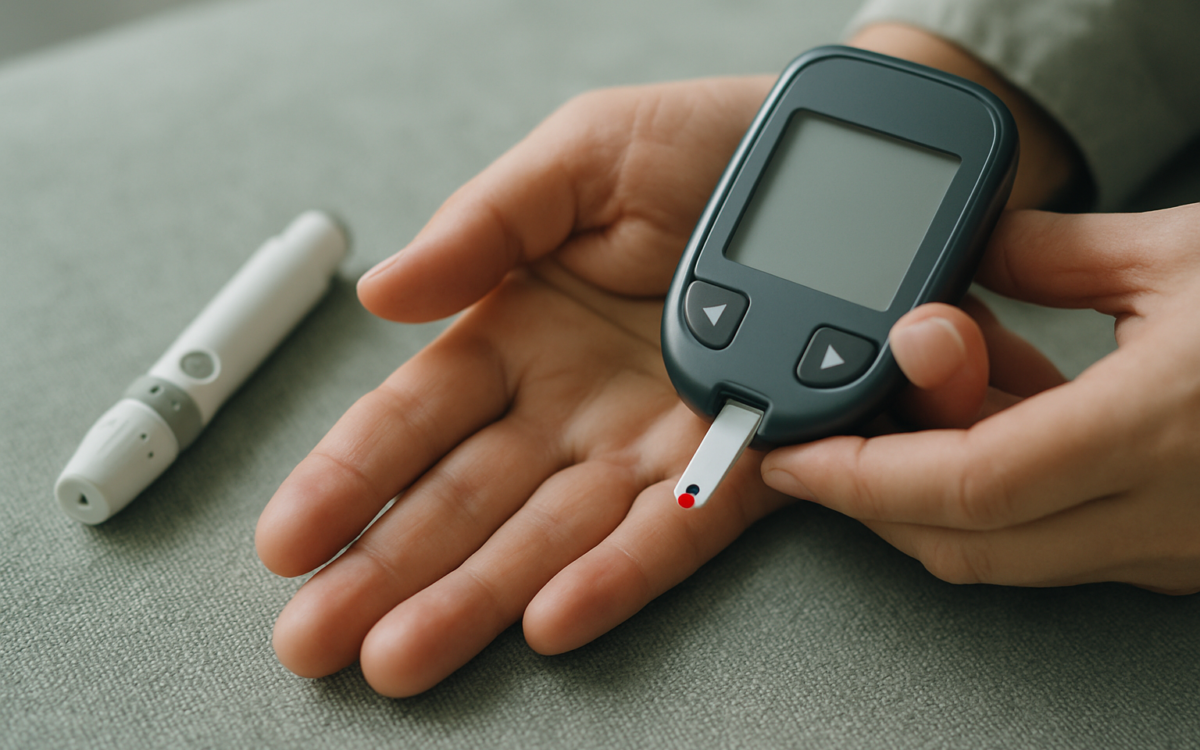
Diabetes, commonly referred to as “sugar diabetes,” is a chronic condition that occurs when the body cannot effectively use insulin or produce enough of it. Insulin is a hormone that regulates blood sugar levels. Without proper insulin function, sugar builds up in the bloodstream, leading to a variety of health issues. Early detection is vital, as recognizing the signs of diabetes can help you manage the condition effectively and reduce the risk of complications.
What are the Primary Types of Diabetes?
There are several types of diabetes, but the two most common are Type 1 and Type 2 diabetes.
- Type 1 Diabetes: This type occurs when the body’s immune system attacks and destroys insulin-producing cells in the pancreas. It usually develops in children and young adults, although it can occur at any age.
- Type 2 Diabetes: This type is more common and usually develops in adults, although it is increasingly seen in children and adolescents. It occurs when the body becomes resistant to insulin or when the pancreas fails to produce enough insulin.
Common Signs and Symptoms
Recognizing the early signs of diabetes can be crucial. Here are some of the common symptoms to watch for:
1. Increased Thirst and Frequent Urination
One of the earliest signs of diabetes is having an insatiable thirst and needing to urinate more often than usual. When blood sugar levels are high, the kidneys try to filter excess sugar out of the blood, which can lead to increased urination. This, in turn, can cause dehydration, making you feel more thirsty.
2. Extreme Hunger
If your body isn’t able to use insulin effectively, it can lead to food not being converted into energy. This may cause feelings of extreme hunger even shortly after eating. You may find yourself eating larger portions and still not feeling satisfied.
3. Fatigue
Feeling unusually tired can also be a sign of diabetes. When the body is not able to convert food into energy effectively, you may experience fatigue and a lack of energy, making even simple tasks feel exhausting.
4. Blurred Vision
High blood sugar levels can affect your eyesight, causing blurred vision. This happens because excess sugar can lead to swelling in the lens of the eye, affecting your ability to focus. If you notice changes in your vision, it’s essential to seek medical advice.
5. Unexplained Weight Loss
Despite eating more than usual, if you’re losing weight unexpectedly, it could be a sign of diabetes. In Type 1 diabetes, weight loss often occurs because the body starts burning fat and muscle for energy when it cannot use sugar properly.
6. Slow Healing of Cuts and Infections
If you notice that cuts and infections take longer to heal than they should, it could be related to diabetes. High blood sugar levels can impair circulation and lead to nerve damage, making it harder for your body to heal.
Risk Factors for Diabetes
Understanding who might be at risk for developing diabetes can help with early detection. Some common risk factors include:
- Family history of diabetes
- Being overweight or obese
- Physical inactivity
- High blood pressure
- Elevated cholesterol levels
- Age (over 45 years)
- Having a history of gestational diabetes during pregnancy
Managing Your Risk
While some risk factors for diabetes cannot be changed, others can be managed through lifestyle choices. Here are some effective strategies:
- Healthy Eating: Focus on a diet rich in whole grains, fruits, vegetables, and lean proteins while limiting sugar and processed foods.
- Regular Exercise: Aim for at least 150 minutes of moderate aerobic activity each week to help maintain a healthy weight and improve insulin sensitivity.
- Weight Management: If you’re overweight, losing even a small percentage of your body weight can significantly reduce your risk of developing Type 2 diabetes.
- Regular Check-ups: Keep up with regular medical check-ups, especially if you have risk factors for diabetes.
When to See a Doctor
If you notice any of the signs mentioned above or if you have risk factors for diabetes, it’s important to consult your healthcare provider. Early diagnosis and intervention can help manage the condition effectively and reduce the risk of complications down the line. According to the Centers for Disease Control and Prevention (CDC), diabetes can often be managed through lifestyle changes and medication, if necessary.
Conclusion
Recognizing the signs of diabetes early can lead to a more effective management approach and ultimately improve your quality of life. By staying informed and proactive, you can take the necessary steps for your health and well-being. If you have any concerns about diabetes or your risk factors, don’t hesitate to reach out to your healthcare provider for guidance and support.
