
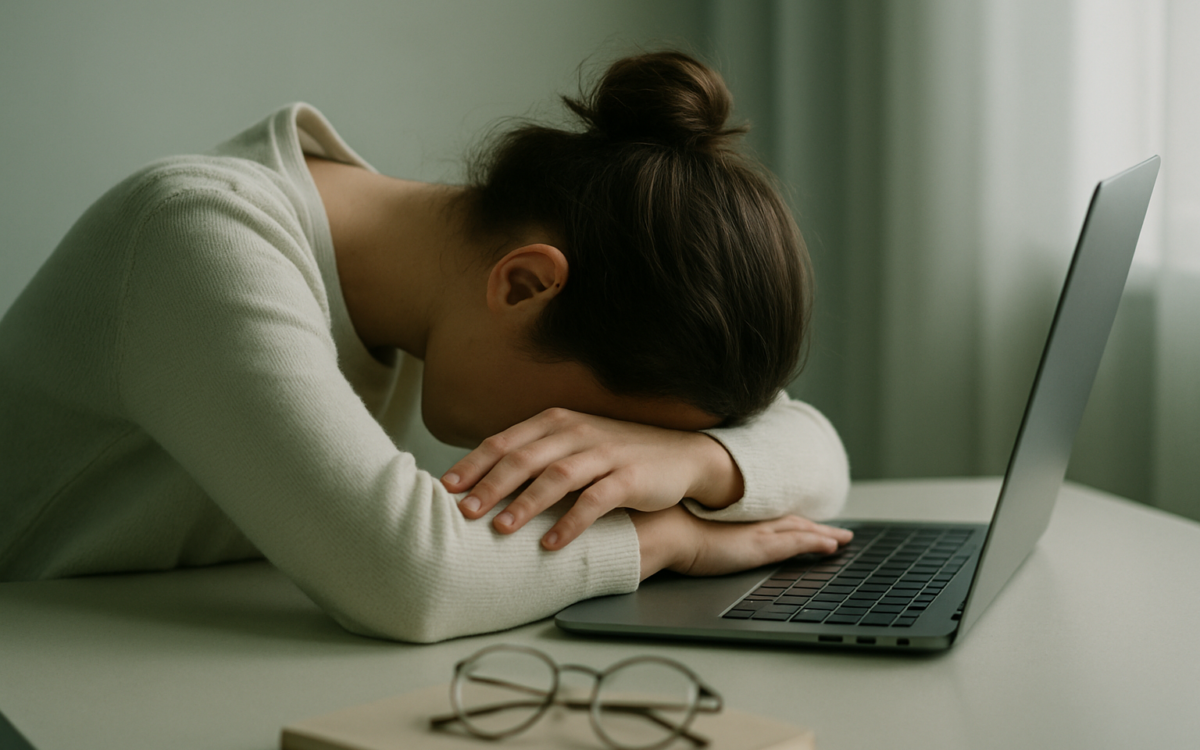
In today’s fast-paced world, feeling overwhelmed can sometimes feel like a permanent state. Many of us juggle multiple responsibilities, from work to family, and it’s easy to push ourselves to the brink. This constant pressure can lead to burnout—a state of emotional, physical, and mental exhaustion. Recognizing the signs of burnout early is crucial in finding ways to recover and regain a sense of balance.
Understanding Burnout
Burnout is not just about feeling tired; it’s a complex condition that can take a toll on your overall health. The World Health Organization (WHO) categorizes burnout as an occupational phenomenon resulting from chronic workplace stress. However, it can also appear in various aspects of life where high demands and low resources clash.
Common Signs of Burnout
Identifying burnout can be challenging as its symptoms often mimic everyday stress or fatigue. Here are some common signs to watch out for:
- Physical Symptoms: Persistent fatigue, frequent headaches, and digestive issues.
- Emotional Symptoms: Feelings of hopelessness, cynicism, or detachment from work or personal life.
- Cognitive Symptoms: Difficulty concentrating, making decisions, or remembering important tasks.
- Behavioral Symptoms: Withdrawing from social interactions, neglecting responsibilities, or increased irritability.
The Role of Stress
Stress is a significant contributor to burnout. When faced with continuous stressors, your body goes into overdrive, flooding you with adrenaline and cortisol—hormones that prepare you to react to danger. While this can be helpful in the short term, chronic stress can lead to burnout. The National Institutes of Health (NIH) emphasizes that prolonged exposure to stress can impair your mental health and overall well-being. Managing stress through relaxation techniques, physical activity, and healthy coping strategies can help mitigate burnout.
Burnout and Its Impact on Daily Life
Living with burnout can greatly affect your day-to-day life. It can make you feel less productive at work and could strain your personal relationships. You might notice you have less energy for activities you once enjoyed. Additionally, burnout can lead to serious health issues, including anxiety, depression, or heart disease. It’s important to understand that these effects can create a cycle—when you feel burnt out, you may withdraw from your support systems, leading to increased feelings of isolation.
How to Address Burnout
If you recognize some signs of burnout in yourself, it’s essential to take action. Here are some strategies to combat burnout:
- Take Breaks: Ensure you take regular breaks throughout your workday. Stepping away, even for a few moments, can help refresh your mind.
- Set Boundaries: Learn to say no when your plate is full. Setting healthy boundaries can shield you from overcommitting and feeling overwhelmed.
- Engage in Self-Care: Prioritize activities that recharge you, whether it’s reading, exercising, or spending time with loved ones.
- Seek Support: Talk about your feelings. Reach out to friends, family, or mental health professionals who can provide support and guidance.
The Importance of Professional Help
Sometimes, the signs of burnout can be so overwhelming that self-help measures aren’t enough. It’s essential to recognize when professional help may be necessary. A trained mental health professional can help you navigate your feelings, provide coping strategies, and assist with developing a comprehensive plan for recovery.
When to See a Doctor
If you’ve noticed signs of burnout and they persist or worsen, you should consider consulting a healthcare provider. It is especially important to reach out for help if you experience significant mood changes, thoughts of self-harm, or if your physical health begins to decline. The CDC offers resources and guidelines on mental health and wellness that can help you decide when it’s time to seek professional assistance.
Burnout is a significant challenge, but understanding its signs is the first step in learning how to manage it. By being aware of your mental and physical states, seeking support, and implementing self-care practices, you can combat burnout and find a healthier balance in life.
