
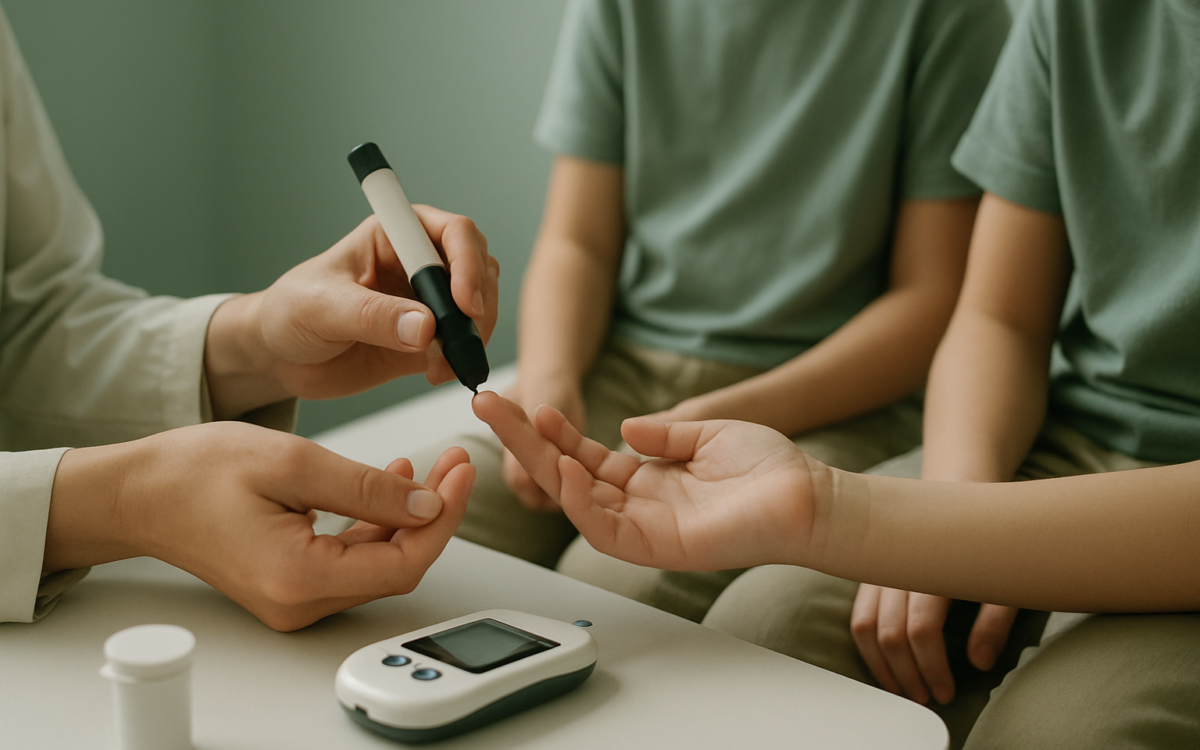
As a parent or caregiver, it can be unsettling to think about serious health issues like diabetes affecting your child. Childhood diabetes, particularly type 1 and type 2, can manifest with signs that are important to recognize early. Understanding these signs can help you seek timely medical advice, ensuring your child’s health and well-being.
What is diabetes in children?
Diabetes is a condition that affects how your child’s body processes sugar (glucose). In children, the two main types are:
- Type 1 Diabetes: An autoimmune disorder where the body doesn’t produce insulin, a hormone essential for converting sugar into energy.
- Type 2 Diabetes: More common among older children and adolescents, this type occurs when the body becomes resistant to insulin or doesn’t use it effectively.
Recognizing the signs of diabetes in kids early can lead to better management of the condition, preventing further complications.
Common signs of diabetes in kids
Understanding the common symptoms associated with diabetes can help you prompt a visit to the doctor. Here are some signs to watch for:
1. Increased thirst and frequent urination
One of the most noticeable signs of diabetes is persistent thirst (polydipsia) and frequent urination (polyuria). If your child is constantly asking for water and making more trips to the bathroom, it could indicate high blood sugar levels.
2. Extreme fatigue
Children with diabetes may exhibit unusual tiredness. This fatigue can stem from the body’s inability to utilize glucose effectively, depriving muscles and organs of energy.
3. Weight loss despite increased appetite
Children with type 1 diabetes often experience significant weight loss, even though they might feel hungrier than usual. This can happen because the body is not getting the energy it needs from food, leading to the breakdown of fat and muscle for fuel.
4. Unexplained infections or slow healing
High blood sugar levels can make children more susceptible to infections, especially urinary tract infections and skin infections. If your child frequently falls ill or if wounds and cuts are taking longer to heal, it may be a warning sign.
5. Blurred vision
Changes in blood sugar levels can lead to blurred vision. If you notice that your child is squinting or having difficulty seeing clearly, this could indicate that their blood sugar levels are outside of a healthy range.
Additional symptoms to monitor
While the above are some of the hallmark signs of diabetes in kids, you should also pay attention to other symptoms, such as:
- Unusual itchiness or skin rashes
- Darkened skin patches, particularly around the neck and armpits (often seen in type 2 diabetes)
- Frequent mood changes or irritability
It is vital to maintain open communication with your child about how they feel. Encourage them to express if something seems off.
Understanding the risk factors
Certain factors can increase a child’s risk of developing type 2 diabetes, including:
- A family history of diabetes
- Being overweight or obese
- Little to no physical activity
- Unhealthy eating habits
For type 1 diabetes, the cause is less understood, though genetic predisposition and environmental factors may play a role.
Testing and diagnosis
If you suspect your child may have diabetes, a healthcare professional will typically conduct a blood test to measure glucose levels. The tests commonly used include:
- Fasting Blood Sugar Test: Measures blood glucose after fasting for at least 8 hours.
- A1C Test: Reflects average blood sugar levels over the past 2-3 months.
- Oral Glucose Tolerance Test: Measures blood sugar before and after consuming sugar.
A diagnosis of diabetes will be based on specific blood sugar levels, which a healthcare provider will carefully review with you.
When to see a doctor
If you notice any combination of the above signs in your child, it is essential to consult a healthcare professional. Early diagnosis and management can significantly improve health outcomes and quality of life. Regular check-ups and monitoring are crucial, especially if your child has risk factors for diabetes.
Supporting your child’s health
If your child is diagnosed with diabetes, working closely with healthcare experts is vital. Treatment may include medication, dietary changes, and regular physical activity. Education is also key — teaching your child about their condition can empower them to handle their diabetes confidently.
In addition, considering supportive communities can provide necessary resources and emotional support for both you and your child during this journey. Organizations like the Juvenile Diabetes Research Foundation and the American Diabetes Association offer valuable information and connections.
Finally, regular communication with your child’s school and caregivers about their condition can ensure they receive the necessary support in various environments.
Conclusion
Being alert to the signs of diabetes in kids can make a significant difference in their health. If you recognize potential symptoms, seek medical advice promptly. Early intervention can help manage diabetes effectively, leading to a healthier life for your child.
