
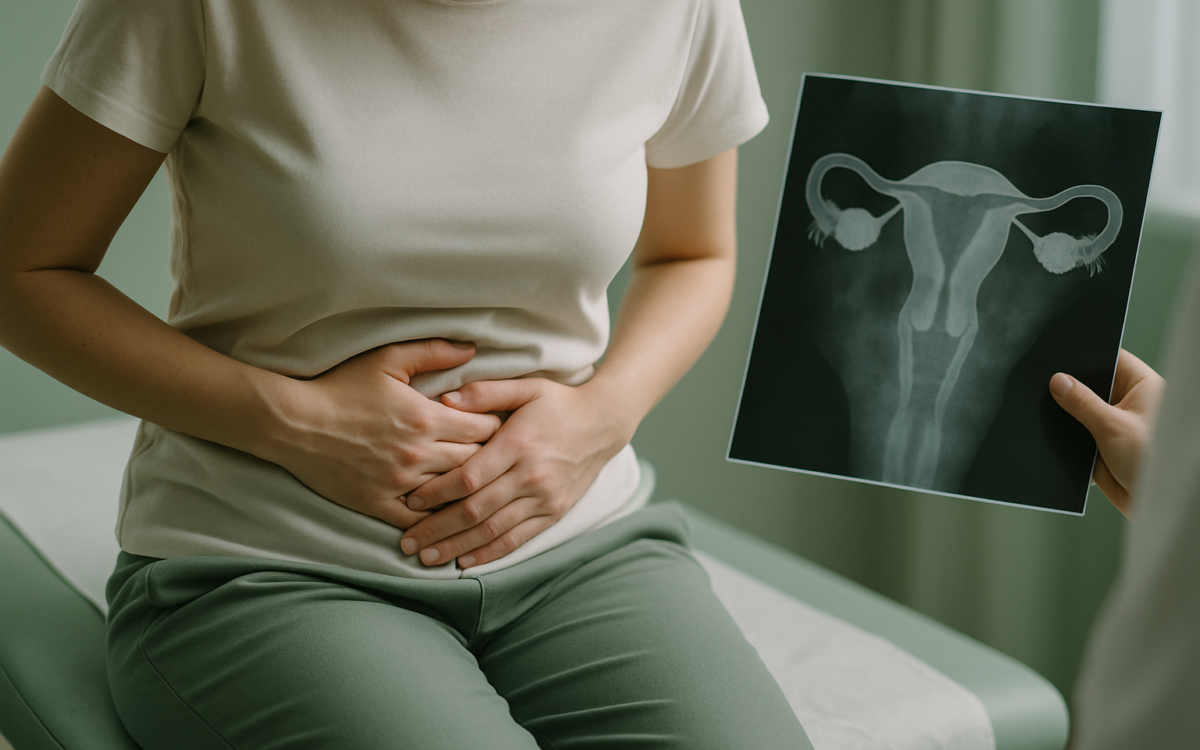
Polycystic Ovary Syndrome (PCOS) is a common hormonal disorder that affects many women, often during their reproductive years. Despite its prevalence, understanding the various signs of PCOS can sometimes be challenging. If you suspect you may be experiencing symptoms, learning about them is the first step towards managing your health.
What is PCOS?
PCOS is a condition that affects hormone levels in women, leading to a range of symptoms and health issues. It occurs when the ovaries produce an excess of androgens, sometimes referred to as male hormones, which can disrupt normal hormonal balance. Aside from fertility issues, PCOS can also lead to metabolic concerns, such as diabetes and heart disease.
Irregular Periods
One of the most common signs of PCOS is irregular menstrual cycles. Women with PCOS might experience fewer than eight periods a year or have cycles that last longer than 35 days. Some may even skip periods altogether. These irregularities can be attributed to imbalances in hormones.
Excess Hair Growth
Also known as hirsutism, excessive hair growth is another notable symptom of PCOS. Women may notice hair growing in areas typically associated with male-pattern hair growth, such as the face, chest, and back. This can be due to elevated levels of androgens, which are often found in women with PCOS.
Acne and Oily Skin
For some women, PCOS can lead to skin changes, including persistent acne and oily skin. These symptoms can occur due to hormonal imbalances that trigger overproduction of oil in the skin, leading to breakouts and other skin concerns.
Weight Gain and Difficulty Losing Weight
Many women with PCOS experience weight gain or find it difficult to lose weight. This can be related to insulin resistance, which is common in these patients. Insulin resistance occurs when the body’s cells do not respond properly to insulin, often leading to increased weight and difficulty in shedding excess pounds.
Hair Thinning and Scalp Hair Loss
Contrarily, while some women may experience excess hair growth, others may notice hair thinning or loss on the scalp. This can be distressing and is tied to the hormonal imbalances associated with PCOS. The hair follicles may shrink due to the high levels of androgens, resulting in finer, thinner hair.
Infertility and Other Reproductive Issues
PCOS can significantly affect fertility. Many women find it challenging to conceive due to irregular ovulation or anovulation (the absence of ovulation). If you are trying to become pregnant and experiencing difficulties, it may be worth discussing the possibility of PCOS with your healthcare provider.
Associated Health Risks
Women with PCOS may be at higher risk for other health issues, such as type 2 diabetes, heart disease, and endometrial cancer. Awareness of these associated risks is crucial for early detection and proactive management of any potential health problems. Regular check-ups and monitoring can help address these risks effectively.
When to See a Doctor
If you notice any signs of PCOS or if you are experiencing symptoms that concern you, it’s important to consult with a healthcare professional. Early diagnosis and management can help improve symptoms and reduce health risks associated with this condition. Your doctor may suggest lifestyle modifications, blood tests, or imaging studies to assess your hormone levels and overall reproductive health.
Conclusion
Recognizing the signs of PCOS is an important step towards understanding and managing this condition. Being informed can empower you and help you have constructive conversations with your healthcare provider. Remember, if you suspect you have PCOS, taking action and seeking guidance can lead to better health outcomes. For more information, you can refer to trusted sources like the NIH and the Mayo Clinic.
