
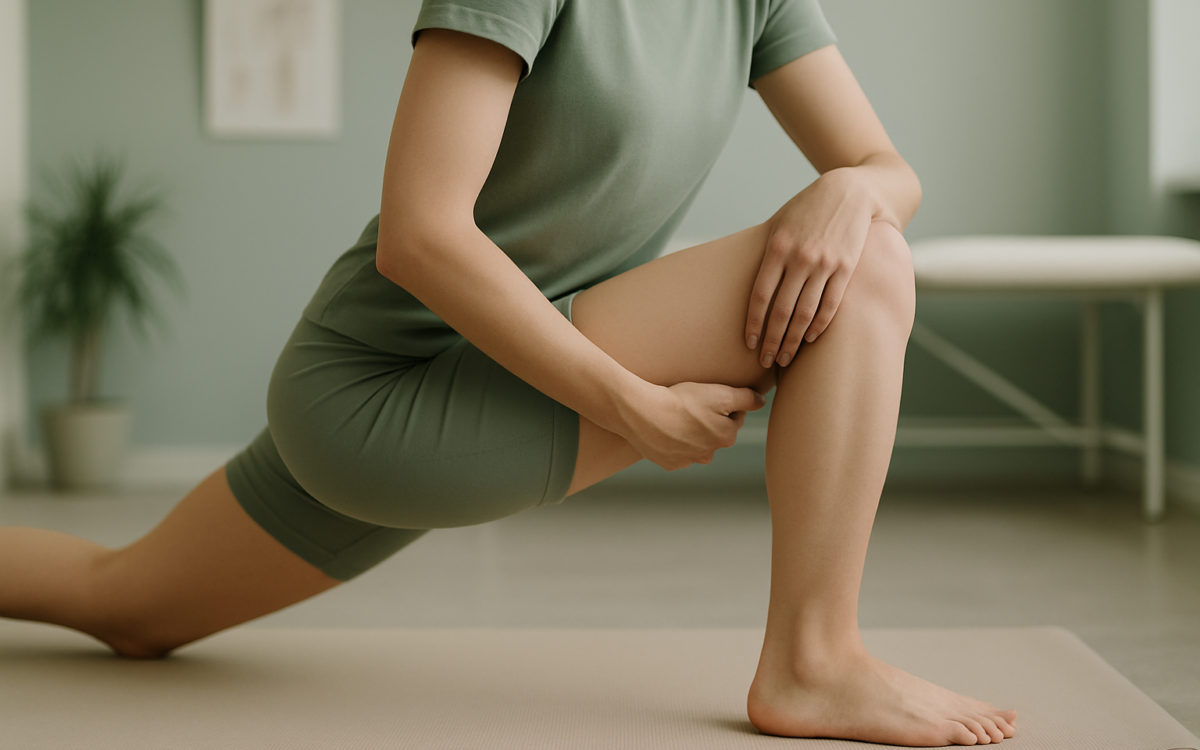
Are your legs feeling sore after a workout or a long day on your feet? You’re not alone. Many people experience leg soreness due to various activities or simply from being on the go. Fortunately, gentle stretching can help alleviate discomfort and promote muscle recovery. In this article, we’ll explore effective stretches for sore legs that can enhance your mobility and overall comfort.
Understanding Leg Soreness
Leg soreness can result from several factors, including overexertion, lack of movement, or poor posture. It may also be a reaction to intense exercise, especially if you’re trying new workouts or increasing your activity levels. Regardless of the cause, stretching is a fantastic way to soothe tired muscles and restore flexibility.
The Importance of Stretching
Stretching plays a crucial role in maintaining a healthy body. It can improve flexibility, enhance blood flow, and even help to prevent injuries. After a long day or tough workout, stretching not only assists in muscle recovery but can also provide immediate relief from tension and stiffness. In particular, stretches can:
- Reduce tightness and discomfort
- Improve range of motion
- Enhance blood circulation
- Promote relaxation
Essential Stretches for Sore Legs
Here are some effective stretches that focus on various leg muscles to help relieve soreness:
1. Hamstring Stretch
The hamstrings are often tight after physical activity. This stretch helps target the back of your thighs.
- Sit on the floor with your left leg extended and your right leg bent, foot against your inner thigh.
- Reach toward your left foot, keeping your back straight. You should feel a stretch in your hamstring.
- Hold for 20-30 seconds and switch legs.
2. Quadriceps Stretch
The quadriceps are muscles in the front of your thigh. Stretching them can alleviate discomfort and tightness.
- Stand tall and grab your right ankle with your right hand, pulling it toward your glutes.
- Keep your knees together and push your hips slightly forward.
- Hold this position for 20-30 seconds, then switch legs.
3. Calf Stretch
Your calf muscles endure a lot of strain, especially if you’ve been walking or running. This stretch helps target the calves.
- Stand facing a wall and place your hands on it.
- Step back with your right foot, keeping your heel on the floor.
- Bend your left knee and lean into the wall until you feel a stretch in your right calf.
- Hold for 20-30 seconds and repeat on the other side.
4. Figure Four Stretch
This stretch targets multiple muscles, including the glutes, hips, and lower back.
- Lie on your back with your knees bent.
- Cross your right ankle over your left knee, creating a figure-four shape.
- Grab the back of your left thigh and gently pull it toward you until you feel a stretch in your right glute.
- Hold for 20-30 seconds and switch sides.
5. Butterfly Stretch
The butterfly stretch is excellent for opening up the hips and stretching the inner thighs.
- Sit on the floor and bring the soles of your feet together, letting your knees drop to the sides.
- Hold your feet and gently push your knees down toward the floor.
- Hold this position for 20-30 seconds, breathing deeply the whole time.
Incorporating Stretching into Your Routine
To get the most benefit from these stretches, consider incorporating them consistently into your fitness routine. Here are some tips:
- Warm up: Start with light activity, like walking for 5-10 minutes, to warm up your muscles before stretching.
- Listen to your body: Stretch until you feel a gentle pull, not pain. If something feels wrong, stop and consult a healthcare professional.
- Frequency: Aim to stretch at least 2-3 times a week, or daily if you’re very active.
- Focus on breathing: Breathe deeply throughout each stretch to help relax your muscles and enhance your stretching experience.
When to See a Doctor
While mild to moderate soreness is typically manageable with stretching and rest, seek medical attention if you experience:
- Severe or persistent pain
- Swelling, bruising, or inability to use your leg
- Symptoms that worsen or do not improve over several days
- Signs of a possible muscle tear or fracture
Always consult a healthcare professional if you have specific concerns about your leg pain or recovery.
Conclusion
Incorporating stretching into your routine can help relieve sore legs and enhance your overall mobility. A few minutes of gentle stretches can make a significant difference in how you feel after a rigorous workout or a long day. Remember to listen to your body and be consistent in your efforts. By taking these steps, you’ll be on your way to feeling more comfortable and flexible in no time. For more detailed guidelines on exercise and recovery, you can visit reputable sources like the NIH or the Mayo Clinic.
