
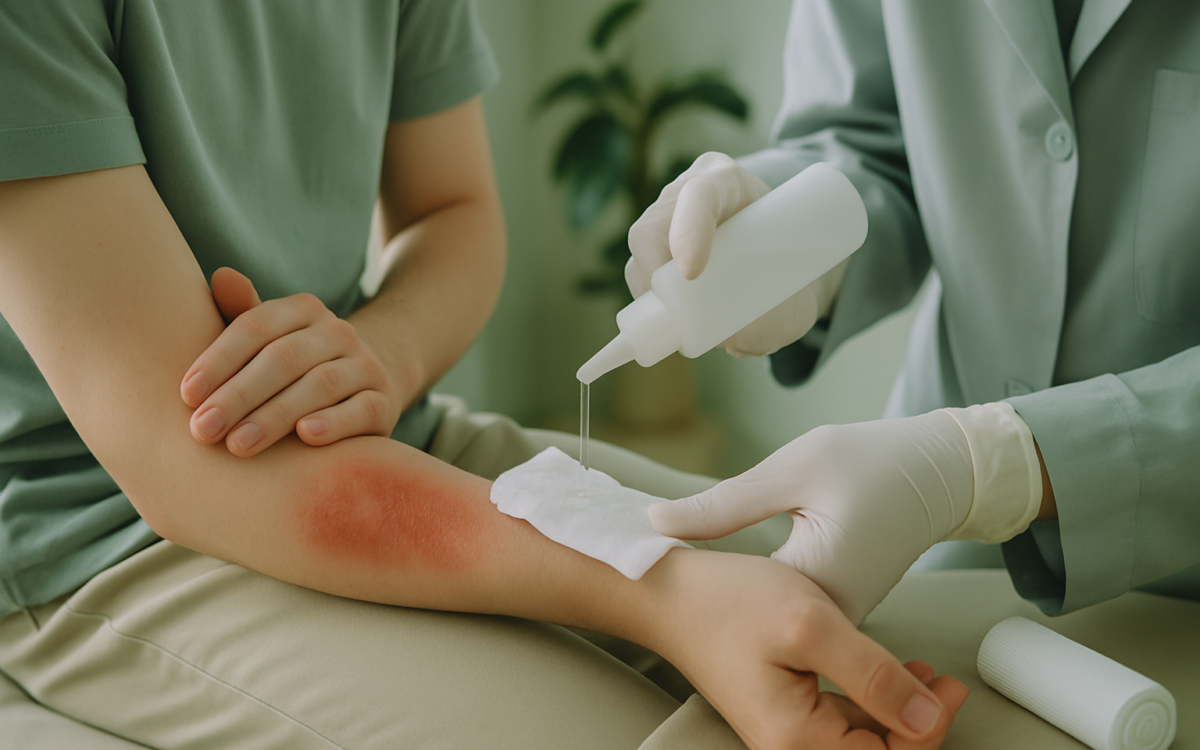
Getting burned can be a painful and frightening experience. Whether it’s a minor kitchen mishap or a more serious burn, knowing what to do next is crucial for your recovery. Burns can affect different layers of skin and come from various sources, including heat, chemicals, electricity, or radiation. Understanding how to respond appropriately can lead to better healing and less discomfort.
Types of Burns
Before diving into first aid and treatment, it’s important to recognize the different types of burns:
- First-degree burns: These are superficial burns affecting only the outer layer of skin (epidermis). They typically result in redness, mild swelling, and pain.
- Second-degree burns: These burns penetrate deeper, affecting both the epidermis and the underlying layer (dermis). They often cause blisters, severe pain, and swelling.
- Third-degree burns: These burns damage all layers of skin and may also affect underlying tissue. They can appear white, charred, or leathery and often require medical treatment.
- Fourth-degree burns: The most severe type, these burns extend beyond the skin into muscles, tendons, and bones. They often result in severe complications and require immediate medical attention.
Initial Response to a Burn
The first moments after sustaining a burn are critical. Here’s how to respond:
- Cool the burn: Immediately hold the burned area under cool (not cold) running water for 10 to 20 minutes. If running water isn’t available, use a cool, wet cloth.
- Avoid ice: Never apply ice directly to a burn, as it can further damage the skin and worsen pain.
- Remove clothing or jewelry: If possible, carefully remove any clothing or jewelry near the burn area, as they can trap heat and worsen the injury. However, do not remove anything that is stuck to the burn.
- Cover the burn: Gently cover the burn with a sterile, non-stick bandage or clean cloth to protect it from infection.
- Pain relief: Over-the-counter pain relievers, like ibuprofen or acetaminophen, may help reduce pain. Follow the dosage instructions on the package.
At-Home Care for Burns
After the initial response, ongoing care is important for healing and comfort:
- Keep it clean: Gently cleanse the burn with mild soap and water. Avoid scrubbing.
- Moisturize: Use a burn ointment or aloe vera gel to keep the area moisturized. This can aid in healing and reduce discomfort.
- Watch for infection: Observe the burned area for signs of infection, such as increased redness, swelling, or discharge. If you notice these symptoms, consult a healthcare professional.
- Avoid sun exposure: Keep the burn protected from direct sunlight, as it can cause further damage to healing skin.
- Do not pop blisters: If blisters form, avoid breaking them. They serve as a natural barrier against infection.
Recognizing When to Seek Medical Attention
While many minor burns can be treated at home, some situations require professional medical assessment. Consult a doctor if you experience:
- A burn larger than three inches in diameter
- A third-degree burn, regardless of size
- Signs of infection, such as fever, increased pain, and swelling
- Burns on the face, hands, feet, or over major joints
- Burns caused by chemicals, electricity, or fires
- Difficulty breathing (a potential sign of inhalation injury)
Burns in Special Populations
Certain populations—like children and the elderly—are at a higher risk for complications from burns. If a child or elderly individual experiences a burn, even if it appears minor, it’s essential to consult a doctor. Their skin tends to be thinner and more sensitive, which can lead to more severe outcomes from burns. Additionally, take extra precautions to prevent burns around these age groups by ensuring hot liquids, sharp objects, and open flames are kept out of reach.
Emotional Support and Recovery
Remember that recovering from a burn isn’t just a physical process. The emotional impact can be significant, especially for severe burns that may result in scarring or altered appearance. Individuals may feel anxious, depressed, or self-conscious about their injuries. Support from family, friends, or mental health professionals can be incredibly beneficial. Peer support groups may also offer comfort and understanding during the recovery journey.
Wrapping It Up
Burns can range from minor annoyances to serious injuries that require medical attention. Knowing how to treat them effectively can not only alleviate pain but also speed up recovery. Always err on the side of caution; if there’s any doubt about the severity of a burn, don’t hesitate to consult a healthcare professional. Empower yourself with the knowledge to handle burns safely and effectively.
When to See a Doctor
If you are unsure whether your burn needs medical intervention, it’s always wise to consult a healthcare provider. Early intervention can prevent complications and promote better healing. Remember to trust your instincts; when in doubt, seek help!
For more information on burn care and treatment, visit reputable resources such as the Mayo Clinic, NIH, or the CDC.
