
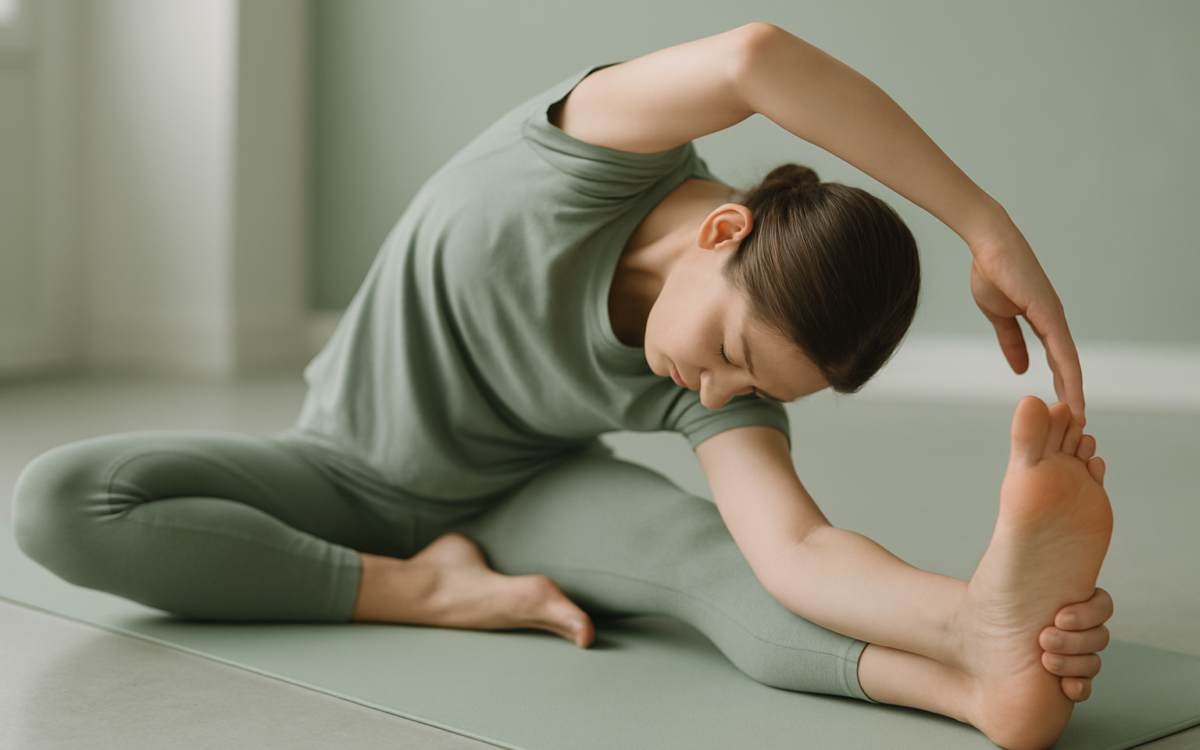
In our fast-paced lives, it’s easy to overlook the importance of stretching. Whole body stretching exercises are essential not only for improving flexibility and mobility but also for enhancing overall physical wellness. By incorporating effective stretching techniques into your routine, you can reduce tension, improve posture, and feel more relaxed. Let’s explore the best practices for full-body stretching exercises.
Understanding the Benefits of Stretching
Stretching is often categorized into two main types: static and dynamic. Both types offer unique benefits, contributing significantly to physical health.
- Improved Flexibility: Regular stretching increases the range of motion in your joints, making everyday activities easier.
- Enhanced Posture: Stretching exercises can correct muscle imbalances and promote better alignment of your body.
- Tension Relief: Stretching relaxes tight muscles, reducing discomfort and tension caused by stress or poor posture.
- Injury Prevention: Increased flexibility can reduce the risk of injuries during physical activities.
According to the National Institutes of Health, incorporating stretching into your routine can significantly contribute to your overall fitness and health.
Key Pre-Stretching Tips
Before diving into your stretching exercises, it’s crucial to prepare your body. Here are some tips to make your stretching routine effective and safe:
- Warm-Up First: Start with some light aerobic activity for 5-10 minutes to raise your heart rate and warm up the muscles.
- Listen to Your Body: Only stretch as far as is comfortable. Stretching should never cause pain.
- Breathe Deeply: Maintain steady, deep breaths during your stretches to help relax your muscles.
Essential Whole Body Stretching Exercises
Here are some effective whole body stretching exercises. Aim to hold each stretch for about 15-30 seconds:
1. Neck Stretch
Stand or sit comfortably. Slowly tilt your head to one side, bringing your ear towards your shoulder. Hold, then switch sides.
2. Shoulder Stretch
Bring one arm across your body at shoulder height. Use the opposite arm to gently pull it closer. Switch sides.
3. Chest Opener
Stand tall with your feet shoulder-width apart. Clasp your hands behind your back and lift them, opening up your chest. Breathe deeply as you stretch.
4. Standing Forward Bend
Stand with your feet together. Hinge at your hips, reaching down towards your feet. Let your head hang heavy to release tension in your back and neck.
5. Hip Flexor Stretch
From a kneeling position, place one foot on the ground in front of you, keeping the knee at a 90-degree angle. Gently push your hips forward while keeping your back straight.
6. Seated Forward Fold
Sit with your legs extended in front of you. Hinge at your hips and reach your hands towards your feet. Feel the stretch in your lower back and hamstrings.
Incorporating Stretching into Your Daily Routine
To make stretching a habitual part of your life, consider these strategies:
- Set Aside Time: Dedicate a specific time each day—such as morning or evening—to focus on stretching.
- Combine With Other Activities: Try stretching after your workouts, yoga sessions, or even while watching TV.
- Make It Fun: Listen to music or join a class to make your stretching routine more enjoyable.
Understanding Your Limits and Staying Safe
Stretching should not come with discomfort. It’s vital to pay attention to how your body feels. If you experience persistent pain beyond mild discomfort, it could signal an underlying issue. Always consult with a healthcare provider about your exercise regime, especially if you face any chronic issues or have specific health concerns.
When to See a Doctor
If you experience ongoing pain or discomfort, consider speaking with a healthcare professional. Signs that suggest you should seek medical attention may include:
- Persistent muscle or joint pain that doesn’t improve with rest and stretching.
- Unusual swelling or bruising around muscles or joints.
- Difficulties with mobility or a significant loss of flexibility.
For more information on when to see a doctor, refer to trusted sources such as the Mayo Clinic.
Conclusion
Whole body stretching exercises are a vital part of maintaining good health. By integrating these simple stretching routines into your daily life, you can enhance your flexibility, reduce stress, and promote overall wellness. Start slow, listen to your body, and enjoy the many benefits that stretching can bring!
