
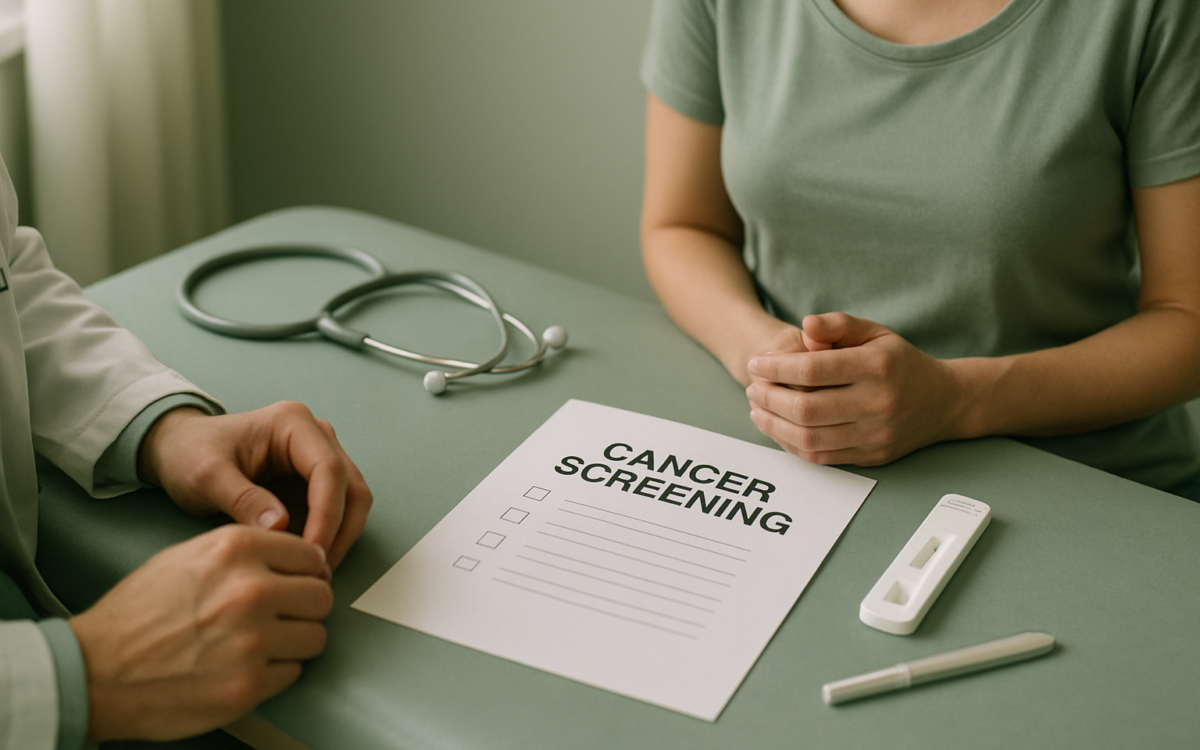
Cancer can be a frightening word for many people, but understanding how to screen for it can help in early detection and treatment. Early detection often leads to better outcomes, so it’s important to know the various screening methods available. By proactively approaching cancer screening, individuals can take charge of their health and potentially save their lives.
What is cancer screening?
Cancer screening involves checking for cancer in individuals who do not have symptoms. The goal is to identify cancer at an early stage when it is more treatable. Screening tests can identify conditions that may lead to cancer and allow for timely medical intervention.
Why is screening important?
Screening can significantly enhance the chances of successful treatment. For many cancers, particularly breast, cervical, and colorectal cancers, the earlier they are detected, the easier they are to treat. According to the CDC, early detection through screening can lead to a reduction in cancer mortality rates.
Common cancer screening tests
Different types of cancers have specific screening tests that are recommended for certain age groups or risk factors. Here are a few common types:
-
Breast Cancer
For women, a mammogram is the primary screening tool for breast cancer. The National Cancer Institute recommends that women aged 50 to 74 have a mammogram every two years, while women in their 40s should discuss the risks and benefits with their doctors to decide when to start screening.
-
Cervical Cancer
Cervical cancer screening typically involves a Pap test and HPV (human papillomavirus) test. Women should begin screening at age 21, regardless of sexual history, and continue every three years until age 29. From ages 30 to 65, co-testing every five years is recommended.
-
Colorectal Cancer
Colorectal cancer screening usually starts at age 45. Options include a colonoscopy every ten years, or other tests like stool tests or sigmoidoscopy. The National Cancer Institute offers more details on these options.
-
Lung Cancer
For individuals who smoke or used to smoke, especially those aged 50 to 80, yearly low-dose computed tomography (CT) screening can be beneficial in detecting lung cancer at an early stage.
Understanding risk factors
Risk factors play a crucial role in determining whether you should get screened for certain cancers. Factors can include age, family history, lifestyle choices, and genetics. For instance, individuals with a family history of breast cancer might need to begin screenings earlier than the general population. It’s important to discuss your personal risk factors with your healthcare provider to determine the best screening plan for you.
Advancements in screening technology
Screening technology is continuously evolving. New methods are being developed that could make screenings more effective and less invasive. For example, liquid biopsies are emerging as a promising way to detect certain cancers by analyzing blood samples. These advancements may provide new hope for patients who are at high risk or who find traditional screening methods challenging.
Psychological aspects of screening
While screening can save lives, the psychological impact of cancer screening should not be underestimated. Waiting for test results can be anxiety-inducing. It can be helpful to talk about these fears with friends, family, or mental health professionals. Maintaining open communication with your healthcare provider is also key, as they can provide support and guidance throughout the screening process.
When to see a doctor
If you notice any unusual changes in your body, such as unexplained weight loss, persistent pain, or changes in your skin, it’s important to consult your doctor regardless of your screening schedule. Regular check-ins with healthcare providers can help ensure that you remain vigilant about your health.
In addition to routine screenings, staying informed about your health and understanding potential risks associated with different cancers can help you make proactive health decisions. Knowledge is a powerful tool in the fight against cancer.
Conclusion
Screening for cancer is a vital part of health prevention strategies. By staying informed about available tests and guidelines, discussing personal risk factors with healthcare providers, and managing mental health concerns related to screening, you can take significant steps toward safeguarding your health. Remember, early detection is the key to enhancing treatment outcomes, so don’t hesitate to start conversations about screening today.
