
Heart issues remain a leading cause of morbidity and mortality around the world. Understanding how to screen for heart problems can help you detect potential issues early, improve your overall health, and live a longer life. This article will walk you through the key strategies to effectively monitor your heart health.
Understanding the Importance of Screening
Screening for heart issues is crucial because many cardiovascular diseases develop silently without noticeable symptoms. Early detection can significantly improve treatment outcomes and reduce complications. Regular screenings can help identify risk factors, such as high blood pressure, high cholesterol, and diabetes, which contribute to heart disease.
Key Risk Factors for Heart Disease
Before diving into screening methods, it’s important to understand the common risk factors that can predispose someone to heart issues. These include:
- High blood pressure: Often called the ‘silent killer’, high blood pressure can damage your arteries over time.
- High cholesterol levels: A high level of low-density lipoprotein (LDL) cholesterol can lead to plaque buildup in arteries.
- Diabetes: People with diabetes are at a higher risk of heart disease due to fluctuating blood sugar levels.
- Smoking: Tobacco use is a significant risk factor for cardiovascular problems.
- Obesity: Excess body weight can strain the heart and increase the likelihood of heart disease.
- Family history: A family history of heart disease can raise your risk significantly.
Common Screening Tests
Screening tests vary based on age, gender, and individual health status. Here are some common tests that can help assess your heart health:
Blood Pressure Measurement
Checking blood pressure is one of the simplest and most effective ways to screen for heart disease. Ideally, blood pressure should be below 120/80 mmHg. Regular monitoring can catch changes early on, prompting further investigation if necessary.
Cholesterol Testing
A lipid panel measures your total cholesterol, LDL (bad cholesterol), HDL (good cholesterol), and triglycerides. The American Heart Association recommends having your cholesterol levels checked every 4 to 6 years, beginning at age 20. This screening can help assess your risk of heart disease and guide lifestyle changes or treatments.
Blood Glucose Testing
Since diabetes significantly increases the risk of heart disease, monitoring blood glucose levels is vital. A fasting blood glucose test or an HbA1c test can determine whether you have diabetes or prediabetes. If you are overweight or have additional risk factors, consider discussing testing frequency with your doctor.
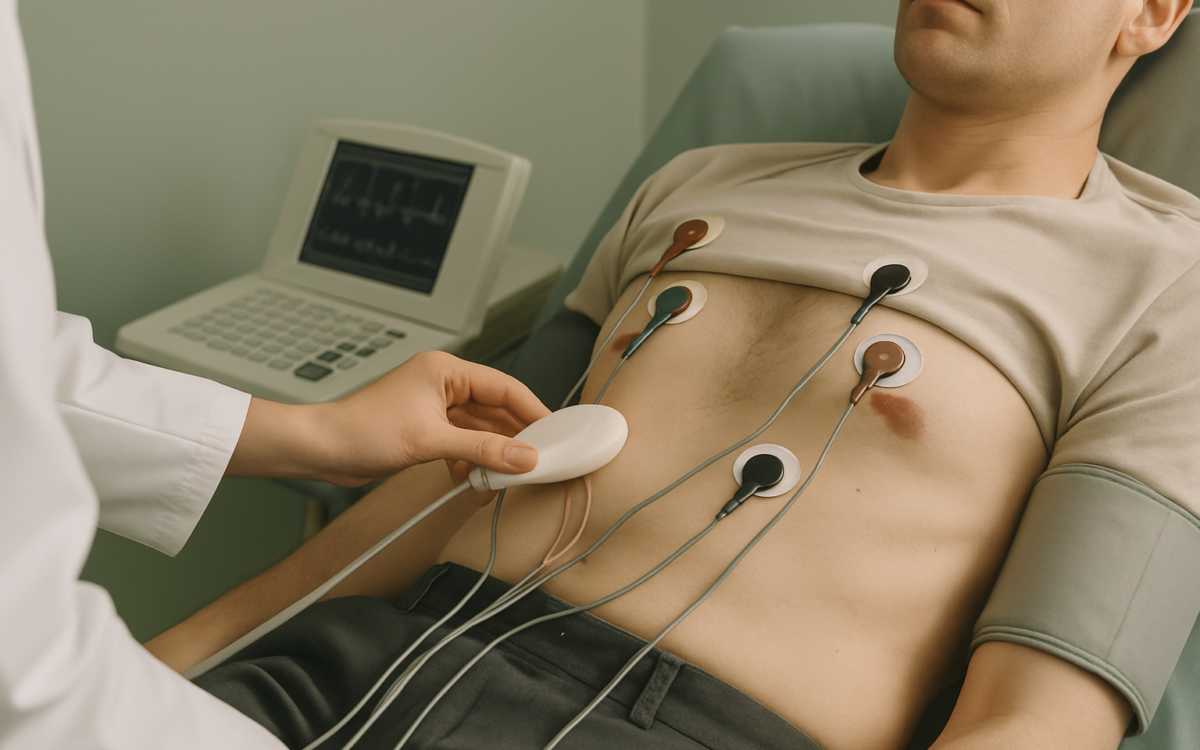
Electrocardiogram (ECG or EKG)
An electrocardiogram records the electrical activity of your heart. It can identify irregular heartbeats, previous heart attacks, and other heart conditions. An ECG is often performed during routine check-ups, especially if you have risk factors for heart disease.
Advanced Screening Methods
For those with risk factors or concerning symptoms, more advanced screening methods may be necessary. Here are some options your doctor might consider:
Stress Tests
Stress tests evaluate how your heart functions under physical stress. During the test, you might walk on a treadmill or ride a stationary bike while your heart rate and rhythm are monitored. This test can uncover issues that may not be visible when you are at rest.
Echocardiogram
This ultrasound test provides moving images of your heart. It can help assess the structure of your heart, how well it pumps blood, and any potential issues with the heart valves. An echocardiogram is often used to examine more complex heart conditions.
Coronary Angiography
If other tests indicate a potential problem, your doctor may recommend coronary angiography. A special dye is injected into your coronary arteries, allowing doctors to see blockages or narrowing using X-ray imaging. This test can determine the need for surgical procedures or further treatments.
Maintaining Heart Health
Besides regular screenings, various lifestyle choices can help maintain heart health:
- Eat a heart-healthy diet: Incorporate fruits, vegetables, whole grains, and lean proteins into your meals while limiting processed food and sugars.
- Stay physically active: Aim for at least 150 minutes of moderate aerobic activity per week to keep your heart in good shape.
- Avoid smoking: Quitting smoking can significantly reduce your risk of heart disease.
- Manage stress: Stress can impact your heart health, so incorporate relaxation techniques like mindfulness or yoga into your routine.
When to See a Doctor
If you experience symptoms such as chest pain, shortness of breath, or persistent fatigue, seek medical advice promptly. Additionally, if you have a family history of heart disease or if you are concerned about any risk factors, schedule a consultation with your healthcare provider to discuss appropriate screening options.
In conclusion, understanding how to screen for heart issues empowers you to take charge of your cardiovascular health. Regular screenings, along with lifestyle changes, can position you on a path toward maintaining a healthy heart and reducing the risk of disease.
