
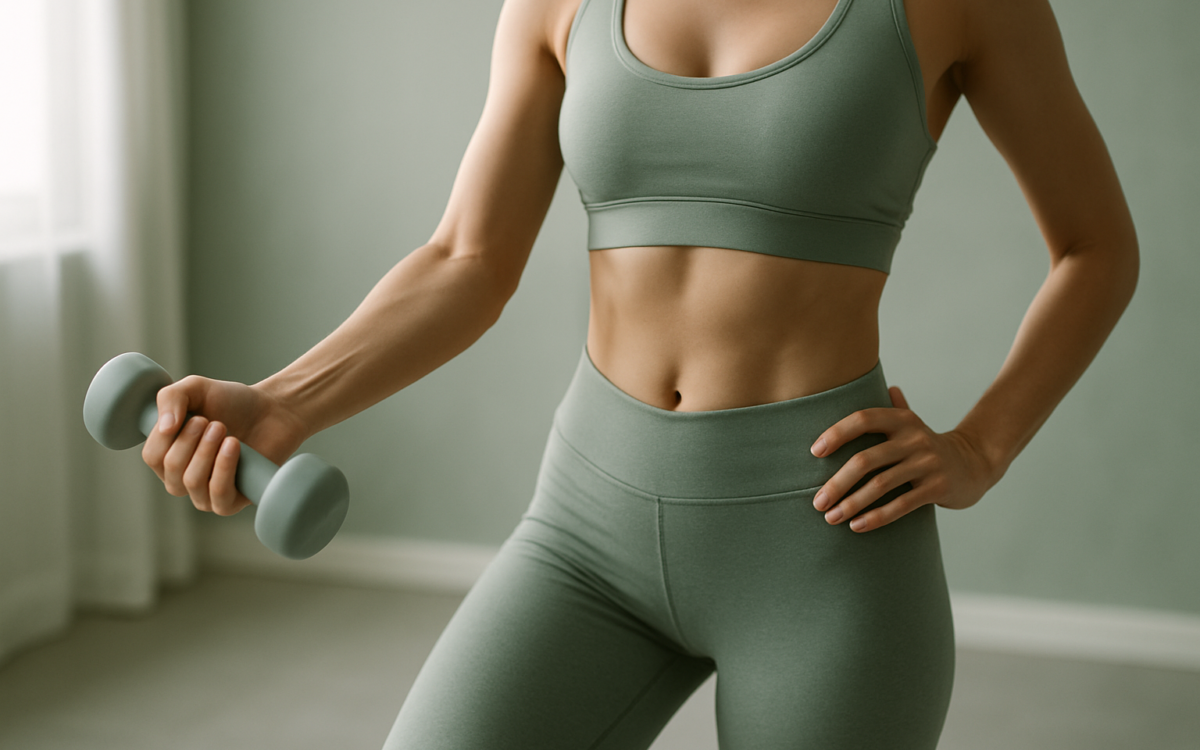
If you’re looking to achieve a smaller waist, you’re not alone! Many people desire a trimmer midsection not just for aesthetics, but for overall health and wellness. While targeted exercises can play a role in achieving this goal, combining them with a balanced diet and active lifestyle is key. Let’s explore some simple yet effective workouts that can help shape your waistline.
Understanding Core Muscles
Before we delve into workouts, it’s essential to understand the core muscles. Your core consists of not only your abdominal muscles but also the muscles in your back, hips, and pelvis. Strengthening these muscles can help you maintain a stable posture, reduce the risk of injury, and enhance your overall performance in physical activities.
Effective Waist-Whittling Workouts
Here are some fun and effective workouts you can incorporate into your routine to help sculpt your waist:
1. Planks
Planks are excellent for engaging the core without putting too much strain on your back. Here’s how to do them:
- Start in a push-up position, with your arms directly beneath your shoulders.
- Keep your body in a straight line from head to heels.
- Engage your core and hold for as long as you can.
Try to work up to holding a plank for 30 seconds to a minute.
2. Bicycle Crunches
This exercise targets the obliques, which are the muscles on the sides of your abdomen. Here’s how to perform bicycle crunches:
- Lie on your back with your hands behind your head and your legs raised at a 90-degree angle.
- Bring one knee toward your chest while twisting your torso to touch your opposite elbow to that knee.
- Alternate sides in a smooth, pedaling motion.
Aim for three sets of 15-20 repetitions.
3. Russian Twists
Russian twists help strengthen your obliques and improve rotational strength. Here’s how to do this exercise:
- Sit on the floor with your knees bent and feet flat.
- Lean back slightly, keeping your back straight, and lift your feet off the ground.
- Clasp your hands together and twist your torso to one side, bringing your hands towards the floor beside you.
- Return to the center and twist to the other side.
Try to perform three sets of 10-15 twists for each side.
Incorporating Cardio for Fat Loss
While these exercises can help strengthen your core, combining them with cardiovascular workouts can support fat loss around the waist. Activities like running, cycling, or brisk walking boost your heart rate and burn calories, aiding in overall weight loss. Aim for at least 150 minutes of moderate-intensity aerobic activity each week, as recommended by the CDC.
Nutrition: The Other Piece of the Puzzle
While working out is essential for a smaller waist, maintaining a balanced diet is equally important. Here are some tips to support your fitness goals:
- Incorporate plenty of fruits and vegetables into your meals.
- Choose whole grains over refined grains.
- Include lean proteins, such as chicken, fish, beans, or tofu.
- Stay hydrated by drinking plenty of water throughout the day.
- Limit sugar and processed foods.
When combined with workouts, a balanced diet can help you achieve and maintain a healthier waistline over time.
Looking for International Perspectives
If you’re considering medical options for waist reduction beyond traditional workouts, some clinics worldwide offer various treatments. Organizations like Acibadem International provide comprehensive health services, including consultations for individuals aiming to slim their waist through surgical options or advanced procedures.
Tracking Your Progress and Staying Motivated
Monitoring your progress can keep you motivated on your journey to a smaller waist. Here are some tips to help you stay on track:
- Take measurements regularly, not just rely on the scale.
- Set realistic goals—aim for gradual progress.
- Consider keeping a journal of your workouts and meals.
- Join a fitness group or enlist a workout buddy for support.
By finding fun ways to stay engaged in your workouts, you’re more likely to stick with them long-term.
When to See a Doctor
If you find that despite your best efforts, you’re struggling with weight management or experiencing pain during workouts, it’s important to consult a healthcare professional. They can help assess any underlying health issues and provide personalized guidance.
Conclusion
Achieving a smaller waist is an attainable goal when combined with effective workouts and a balanced lifestyle. By incorporating various exercises, maintaining a healthy diet, and perhaps exploring international health services, you can transform your approach to fitness. Remember to listen to your body and seek professional guidance when needed. Happy exercising!
