
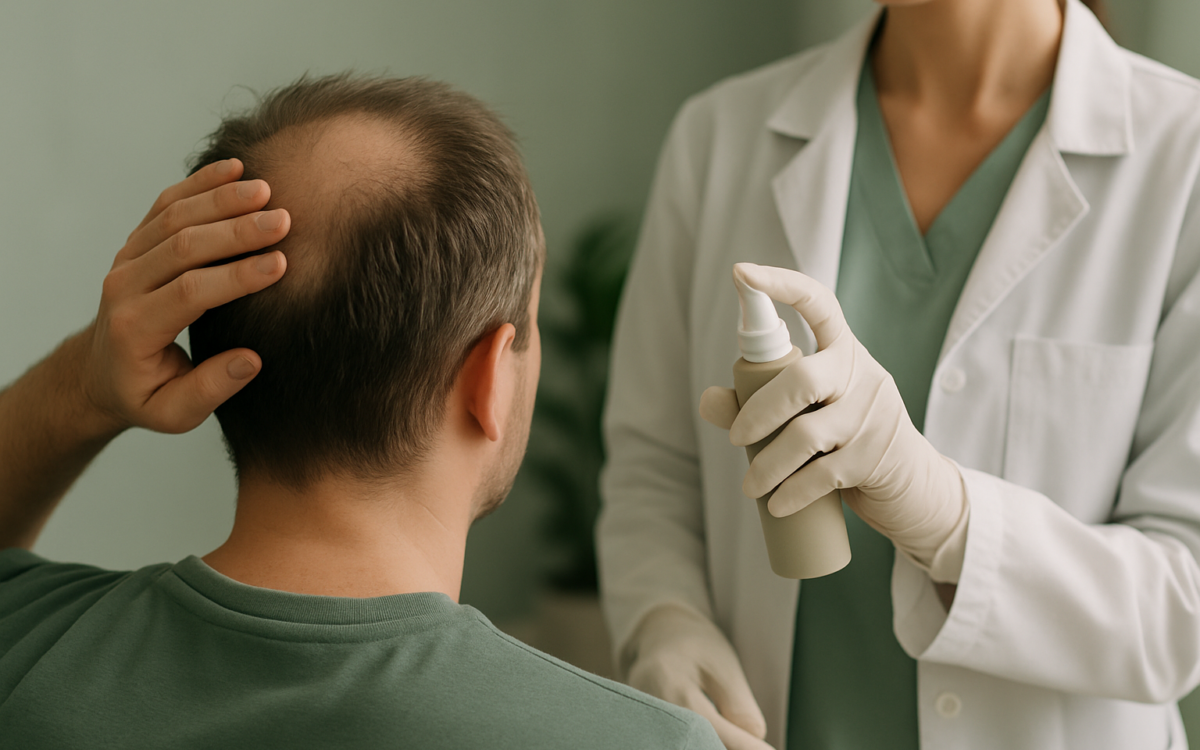
Many people worry about hair loss, and for good reason. Baldness can affect confidence and self-image. While genetics play a big role in hair loss, there are steps you can take to promote healthy hair and potentially prevent baldness. This article covers various strategies to help you maintain your mane.
Understand the Causes of Baldness
The first step in preventing baldness is to understand what causes it. Androgenetic alopecia, commonly known as male or female pattern baldness, is the most common cause. It’s largely driven by hormones and genetic factors. Other causes of hair loss can include:
- Stress: High-stress levels can impact your overall health and lead to hair loss.
- Nutritional deficiencies: Lack of key nutrients like iron, vitamin D, and certain B vitamins can contribute to thinning hair.
- Medical conditions: Conditions such as thyroid disorders, autoimmune diseases, and fungal infections can also result in hair loss.
- Medications: Some drugs can cause hair loss as a side effect.
Maintain a Healthy Diet
Your hair thrives on good nutrition. Try to include a variety of vitamins and minerals that support hair health in your diet. Key nutrients include:
- Protein: Hair is made mainly of protein (keratin), so adequate intake is essential.
- Omega-3 fatty acids: These healthy fats promote hair elasticity and shine and can be found in fish like salmon, walnuts, and flaxseeds.
- Iron: Iron-rich foods, such as leafy greens, beans, and lean meats, can help prevent hair thinning.
- Zinc: This mineral can help promote healthy hair by repairing tissues and maintaining the oil glands around the hair follicles.
Consider consulting with a nutritionist if you’re unsure about your diet. They can help tailor a meal plan that fits your needs and supports hair growth.
Adopt Healthy Hair Care Practices
How you care for your hair can also impact its health. Follow these tips to promote strong, healthy hair:
- Be gentle: Avoid harsh treatments that can weaken hair, such as excessive heat, tight hairstyles, and chemical processing.
- Wash wisely: Use a mild shampoo and conditioner. Washing too frequently can strip your hair of natural oils.
- Scalp health: Keeping your scalp clean and healthy is crucial. Regularly massage your scalp to promote blood circulation, which helps deliver nutrients to the hair follicles.
- Limit styling products: Products like gels, sprays, and waxes can build up on the scalp and damage hair over time. Use them sparingly.
Manage Stress Effectively
High stress can lead to hair loss, so finding ways to manage stress is essential for hair health. Consider practicing:
- Mindfulness Meditation: Taking time to center yourself can reduce stress levels.
- Exercise: Regular physical activity boosts endorphins, which can improve your mood.
- Hobbies: Engaging in activities you enjoy can serve as a great distraction and alleviate stress.
Finding effective stress management techniques can transform your wellbeing, potentially benefiting your hair as well.
Explore Treatments and Therapies
Several treatments may help those at risk of baldness. Over-the-counter options such as minoxidil (Rogaine) may encourage hair growth or slow hair loss. Prescription medications like finasteride (Propecia) can also be effective for some people.
If you’re considering more extensive treatment options, you might explore international patient services available at specialized clinics. These can provide cutting-edge therapies including hair transplants or laser treatments.
Consider Genetic Factors
It’s essential to note that genetics significantly influence baldness. If hair loss runs in your family, it may be challenging to prevent entirely. However, you can still adopt the practices mentioned above to enhance the health of your hair and potentially minimize the effects of genetic predisposition.
When to See a Doctor
If you notice sudden or patchy hair loss, or if you have any concerns about your scalp, it’s wise to consult a healthcare professional. They can provide a thorough evaluation and discuss potential treatment options tailored to your specific needs.
Maintaining your hair’s health requires a comprehensive approach that includes understanding the underlying causes, adopting healthy habits, and being proactive. By making these lifestyle adjustments, you can enhance your chances of preventing baldness and keep your hair looking its best.
