
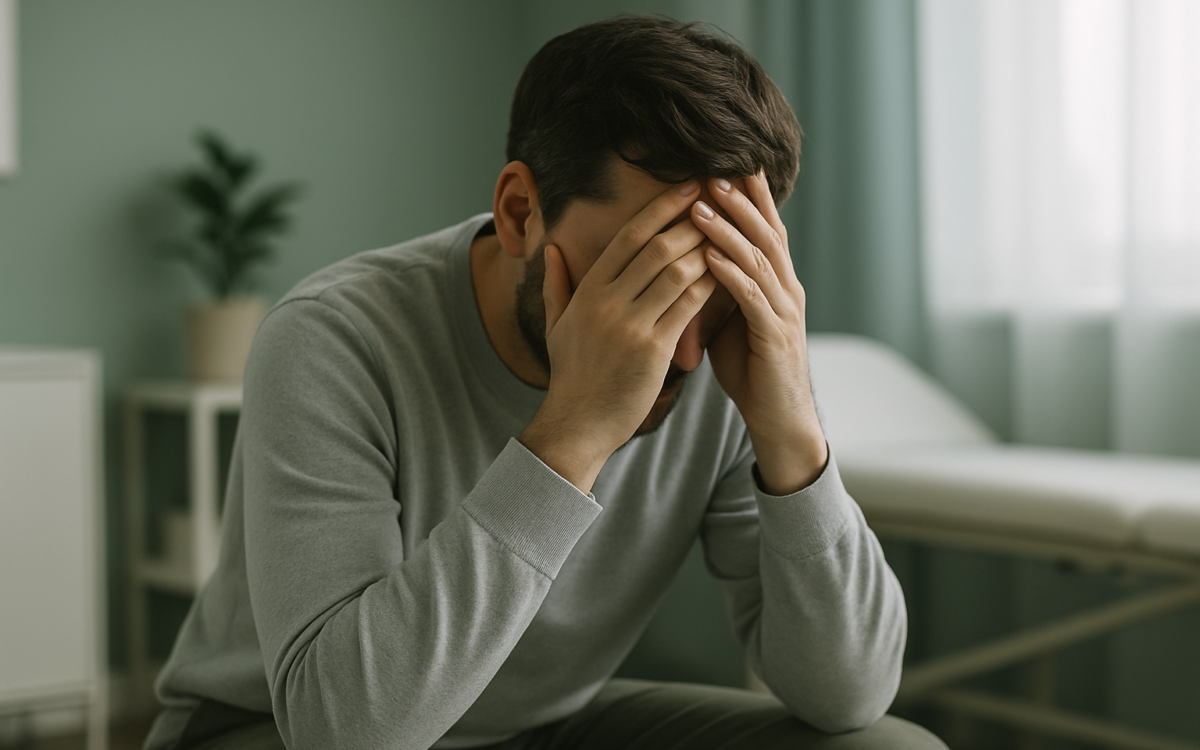
In our fast-paced world, managing stress and anxiety has become more important than ever. Whether it’s work pressures, personal challenges, or global events, many people are feeling overwhelmed. Understanding how to cope with these feelings can improve not just your mood, but your overall health.
Understanding Stress and Anxiety
Stress and anxiety are natural responses to life’s challenges. Stress is often a short-term response to a specific trigger, while anxiety can linger long after the stressor has passed. According to the National Institutes of Health (NIH), both can affect your physical and mental health if not managed effectively.
Recognizing the Signs
Before you can manage stress and anxiety, it’s important to recognize the signs. Common symptoms include:
- Restlessness or feeling wound-up
- Increased heart rate
- Difficulty concentrating
- Fatigue
- Sleep disturbances
- Changes in appetite
By identifying these symptoms early, you can take steps to manage them before they escalate.
Creating a Routine
One effective way to manage stress is by establishing a daily routine. A consistent schedule can provide stability and help you feel more in control. Here are some tips:
- Set regular wake-up and sleep times to ensure adequate rest.
- Include time for meals, work, relaxation, and exercise in your day.
- Stick to your routine as closely as possible, but allow flexibility for unexpected events.
Having a routine in place can minimize uncertainty and reduce feelings of anxiety.
Incorporating Mindfulness
Mindfulness practices can significantly assist in managing stress and anxiety. Mindfulness involves focusing your attention on the present moment and accepting it without judgment.
Techniques include:
- Deep breathing exercises: Take deep, slow breaths. Inhale for a count of four, hold for four, and exhale for four. Repeat several times.
- Meditation: Spend a few minutes each day in meditation. You can use guided meditation apps or simply sit quietly and focus on your breath.
- Yoga: This combines physical movement with mindfulness, which can help relieve tension and promote relaxation.
Research shows that mindfulness can reduce symptoms of anxiety and improve overall mental health, according to the World Health Organization (WHO).
Physical Activity as a Stress Reliever
Regular physical activity is another powerful way to combat stress and anxiety. Exercise releases endorphins, chemicals in the brain that act as natural painkillers and mood elevators.
- Choose activities you enjoy: Whether it’s walking, cycling, swimming, or dancing, find what makes you happy.
- Set realistic goals: Start small and gradually increase your activity levels.
- Stay consistent: Aim for at least 30 minutes of moderate exercise most days of the week.
Even a short walk can help clear your mind and reduce feelings of anxiety.
Building a Support Network
Having a strong support network can be vital in managing stress and anxiety. Reach out to family and friends who can provide emotional support.
Here are some ways to build connections:
- Share your feelings with someone you trust.
- Participate in community groups or clubs that align with your interests.
- Consider joining a support group for specific challenges you may be facing.
Connecting with others can provide not only comfort but also practical advice and encouragement.
When to See a Doctor
If you find that your stress and anxiety are overwhelming or persistent, it’s important to seek professional help. Signs that indicate you should consult a healthcare provider include:
- Your anxiety disrupts daily activities or relationships.
- You experience physical health issues due to stress.
- You struggle with substance abuse as a way to cope.
Healthcare professionals can offer treatments such as therapy or medication, which may provide additional support for your mental health.
Conclusion
Managing stress and anxiety is a vital part of maintaining your overall health. By creating a supportive routine, practicing mindfulness, staying active, and connecting with others, you can develop effective coping strategies. Remember, it’s okay to seek help if you need it. Taking steps to manage your stress can lead to a happier, healthier life.
