
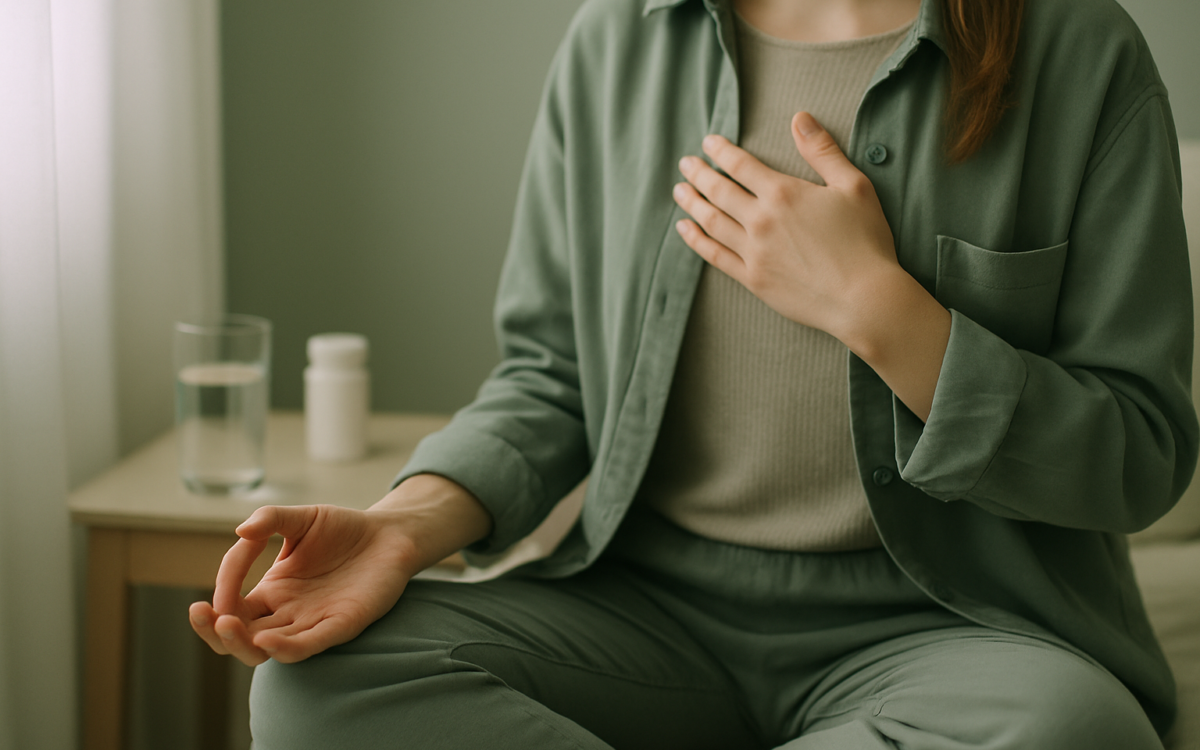
Anxiety can feel overwhelming, often creeping in during moments of stress or uncertainty. Whether it’s about work, relationships, or even daily activities, learning how to calm down anxiety is crucial for maintaining your emotional well-being. In this article, we’ll explore various strategies that can help you manage anxiety effectively.
Understanding Anxiety and Its Triggers
Anxiety is the body’s natural response to stress. It’s that feeling of fear or apprehension about what’s to come. Triggers can vary widely from person to person, including upcoming exams, job interviews, or even social gatherings. Recognizing your triggers is the first step towards managing anxiety.
Mindfulness and Meditation Techniques
Mindfulness involves focusing on the present moment without judgment. It’s a powerful tool for calming anxiety. One effective practice is meditation, which can help create a sense of peace and help you detach from anxious thoughts.
- Start with Breathing Exercises: Focus on your breath to help lower heart rate and reduce stress. Inhale slowly for a count of four, hold for four, and exhale for a count of four.
- Try Guided Imagery: Visualize a peaceful scene, such as a beach or quiet forest. This can help transport your mind away from anxiety-inducing thoughts.
Physical Activities to Reduce Anxiety
Engaging in physical exercise is one of the most effective ways to combat anxiety. Physical activity releases endorphins, the body’s natural mood lifters.
- Go for a Walk: A simple walk can help clear your mind and reduce anxiety. Nature walks, in particular, can have a calming effect.
- Yoga and Stretching: These practices promote relaxation and are beneficial for both the mind and body.
Breathing Techniques for Quick Relief
When you feel anxiety rising, try some focused breathing techniques. These can provide immediate relief during moments of intense anxiety.
- 4-7-8 Breathing: Inhale through your nose for four counts, hold your breath for seven counts, and exhale through your mouth for eight counts. Repeat this cycle a few times.
- Box Breathing: This technique involves inhaling for four counts, holding for four, exhaling for four, and pausing again for four. This method can help stabilize your heart rate and calm your thoughts.
Connecting with Supportive People
Talking with friends or family when you’re feeling anxious can provide comfort and perspective. Connecting with others can help you realize that you’re not alone in your feelings.
- Share Your Feelings: Opening up about your anxiety can reduce its hold over you. A simple conversation can lighten your emotional load.
- Consider Group Support: Many communities offer support groups focused on anxiety where you can share experiences with others facing similar challenges, like those listed on CDC Mental Health Resources.
Establishing a Routine
Creating a daily routine can significantly help in managing anxiety. Routines provide structure, which can be reassuring when life feels chaotic.
- Schedule Relaxation Time: Make time for activities that calm you, such as reading, listening to music, or taking a bath.
- Eat Well and Sleep Well: A balanced diet and sufficient sleep can help regulate your mood and energy levels. Explore more about the impacts of nutrition and sleep on mental health at Mayo Clinic.
When to See a Doctor
If your anxiety is frequent and disrupts your daily life, it might be time to consult a healthcare professional. Anxiety disorders can affect your overall health, and a doctor can help you explore treatment options including therapy or medication.
Conclusion
Calming anxiety takes practice, but using the strategies outlined above can aid in your journey towards emotional well-being. Remember, it’s perfectly okay to seek help, and small steps can lead to significant improvements. Exploring these techniques may help you regain control and find peace in your daily life.
