
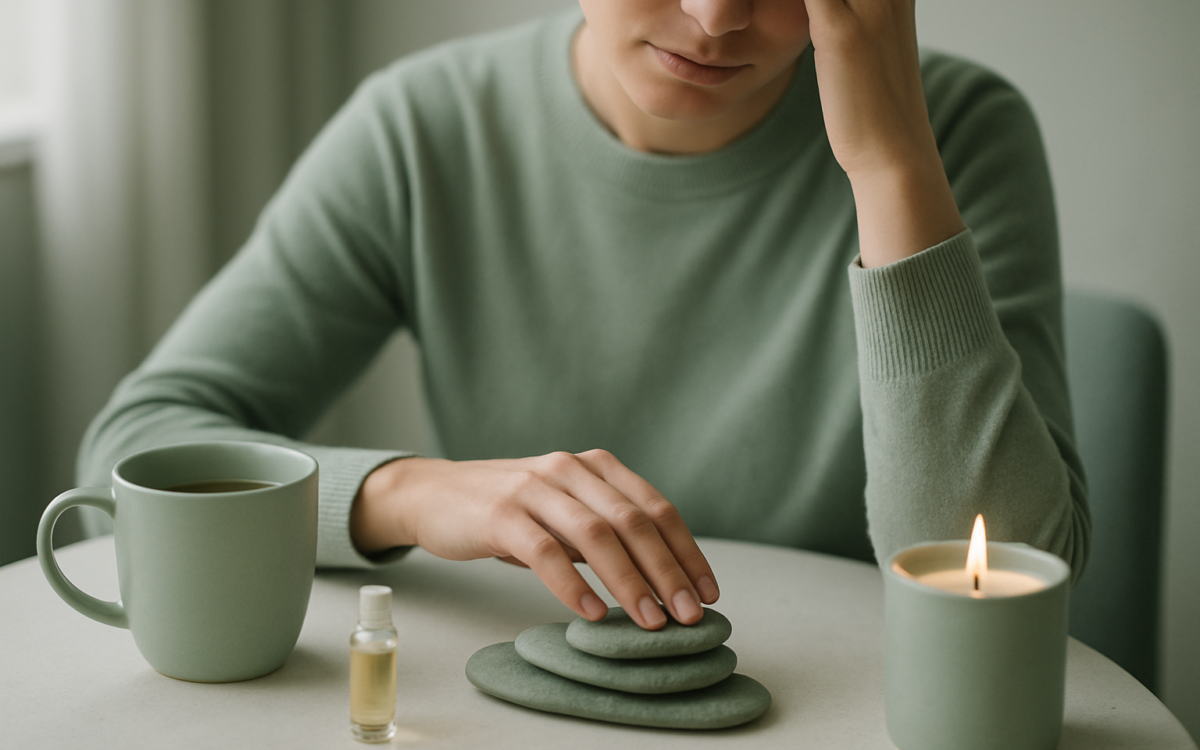
In today’s fast-paced world, stress can feel like a constant companion. Whether it’s work deadlines, family responsibilities, or the daily grind, finding ways to calm the mind and body is essential. Fortunately, there are many effective strategies to ease stress that anyone can incorporate into their life. By adopting a few simple habits, you can improve your ability to cope and enhance your overall well-being.
Understanding Stress
Stress is your body’s natural response to challenging situations. It can be a helpful motivator in small doses, allowing you to react quickly in emergencies. However, prolonged stress can negatively affect your physical and mental health, leading to issues such as anxiety, depression, and heart disease. Understanding what stress is and how it affects you is the first step to managing it.
Practice Mindfulness and Meditation
One of the most effective ways to alleviate stress is through mindfulness practices. Mindfulness involves being present in the moment and can significantly reduce anxiety and improve emotional regulation. Here are a few techniques you might consider:
- Breathing Exercises: Simple breathing exercises can help calm your nervous system. Try inhaling deeply through your nose, holding the breath for a few seconds, and exhaling slowly through your mouth.
- Guided Meditation: There are many free resources available, including apps and online videos, that provide guided meditation sessions. These can help you relax your mind and focus on the present.
- Mindful Walking: Take a walk while paying close attention to your surroundings, such as the sounds of nature or the feeling of the ground beneath your feet. This can ground you in the moment and provide a mental break.
Research shows that mindfulness and meditation can lower stress levels and enhance your overall sense of well-being (NIH).
Stay Physically Active
Physical activity is not only crucial for your physical health but also plays a significant role in managing stress. Exercise increases the levels of endorphins, the body’s natural feel-good hormones. Here are some ways to incorporate more movement into your day:
- Find Activities You Enjoy: Whether it’s dancing, biking, swimming, or hiking, choose exercises that you genuinely enjoy. This can motivate you to stick with it.
- Set a Routine: Aim for at least 30 minutes of moderate exercise most days. You don’t have to do it all at once—short bursts of activity throughout the day can also be effective.
- Join a Class: Sometimes, joining a class can provide social support and structure, making it easier to stay motivated and enjoy the experience.
Regular exercise not only helps in reducing stress but also improves sleep quality and boosts self-esteem, contributing to a healthier lifestyle overall (CDC).
Connect with Others
Social support plays a vital role in easing stress. Sharing your thoughts and feelings with friends, family, or support groups can provide relief and strengthen your bonds. Here’s how to foster social connections:
- Reach Out: Don’t hesitate to talk about your stressors with someone you trust. Sometimes, just verbalizing your feelings can relieve stress.
- Engage in Group Activities: Spend time with friends or join clubs that match your interests. Being part of a community can provide comfort and a sense of belonging.
- Volunteer: Helping others can boost your mood and improve your outlook, reminding you that you are connected to something larger.
Strong social connections can help buffer against stress and enhance your resilience in challenging times (Mayo Clinic).
Manage Your Time Wisely
Sometimes, stress arises from feeling overwhelmed by tasks and responsibilities. Improving your time management skills can help you regain control. Here are some tips:
- Set Priorities: Make a to-do list and prioritize tasks based on urgency and importance. Focus on completing one task at a time.
- Break Tasks Down: Large projects can feel daunting. Break them into smaller, manageable steps to make them less intimidating.
- Learn to Say No: It’s okay to set boundaries. Don’t take on more than you can handle to avoid feeling overwhelmed.
Effective time management can create a sense of accomplishment and reduce feelings of stress.
Nurture Healthy Habits
Your daily habits can profoundly affect your stress levels. Here are some healthy lifestyle choices you can adopt:
- Get Enough Sleep: Aim for 7-9 hours of quality sleep per night. Sleep is vital for mental clarity and emotional stability.
- Eat a Balanced Diet: Consuming nutritious foods can improve brain function and enhance mood. Include plenty of fruits, vegetables, lean proteins, and whole grains in your meals.
- Avoid Substances: Limit alcohol, caffeine, and nicotine, as these can exacerbate stress. Instead, opt for water and herbal teas.
Creating a balanced lifestyle can decrease stress levels and enhance your ability to cope with challenges.
When to See a Doctor
If stress is becoming overwhelming and interfering with your daily life, it may be time to consult a healthcare professional. Signs that you may need help include persistent feelings of anxiety, difficulty sleeping, emotional detachment, or physical symptoms such as headaches or stomach issues. It’s essential to address these concerns to safeguard your health.
Managing stress doesn’t happen overnight, but with a few intentional changes to your lifestyle, you can cultivate a more relaxed and positive mindset. By practicing mindfulness, staying active, nurturing social connections, managing your time effectively, and adopting healthy habits, you can take significant steps toward easing stress and improving your overall quality of life.
