
High blood pressure, or hypertension, is often called the “silent killer” because it may have no obvious symptoms. Left unchecked, it can lead to serious health problems, including heart disease and stroke. Many people want to know how they can lower their blood pressure naturally and manage their health more effectively.
Understanding Blood Pressure
Blood pressure measures the force of blood against your artery walls as the heart pumps it around your body. It’s recorded in two numbers: systolic (the pressure when the heart beats) and diastolic (the pressure when the heart is at rest). Normal blood pressure is generally considered to be around 120/80 mmHg. Readings above this can indicate hypertension.
Adopt a Heart-Healthy Diet
Your diet plays a crucial role in controlling blood pressure. Here are some dietary tips to consider:
- Limit Sodium Intake: High sodium levels can elevate blood pressure. Aim to reduce your salt intake to less than 2,300 mg per day, ideally around 1,500 mg if you have hypertension. Processed foods often have hidden sodium, so reading labels is key.
- Eat More Potassium-Rich Foods: Potassium can help balance the amount of sodium in your cells. Good sources include bananas, potatoes, spinach, and beans.
- Focus on Whole Foods: A diet rich in fruits, vegetables, whole grains, and lean proteins can be beneficial. The DASH (Dietary Approaches to Stop Hypertension) diet emphasizes these foods.
- Limit Alcohol and Caffeine: Drinking in moderation can help maintain healthy blood pressure levels. For men, this typically means up to two drinks per day, and for women, up to one.
Regular Physical Activity
Exercise is another powerful tool to lower blood pressure. Engaging in regular physical activity strengthens your heart, allowing it to pump blood more effectively. Here are some recommended activities:
- Aerobic Exercises: Activities such as walking, jogging, cycling, and swimming are excellent for cardiovascular health. Aim for at least 150 minutes of moderate aerobic activity each week.
- Strength Training: Incorporating weight lifting or resistance exercises twice a week can also help improve blood pressure.
- Stay Active Throughout the Day: Look for ways to incorporate movement into your daily life, such as taking the stairs instead of the elevator or walking short distances instead of driving.
Manage Stress Effectively
Chronic stress can contribute to hypertension. Finding healthy ways to manage stress is essential. Consider these methods:
- Meditation and Deep Breathing: Techniques like mindfulness meditation and controlled breathing can help calm your mind.
- Stay Connected: Building relationships and connecting with friends and family can provide emotional support.
- Engage in Hobbies: Doing activities that you enjoy can reduce stress levels and promote relaxation.
Consider International Treatment Options
If your high blood pressure requires more serious intervention, looking into international treatment options could be beneficial. Facilities like Acibadem International offer advanced medical technologies and specialized care that might not be available in your local area. It’s essential to research and consult with healthcare professionals when considering treatment abroad.
Monitor Your Blood Pressure Regularly
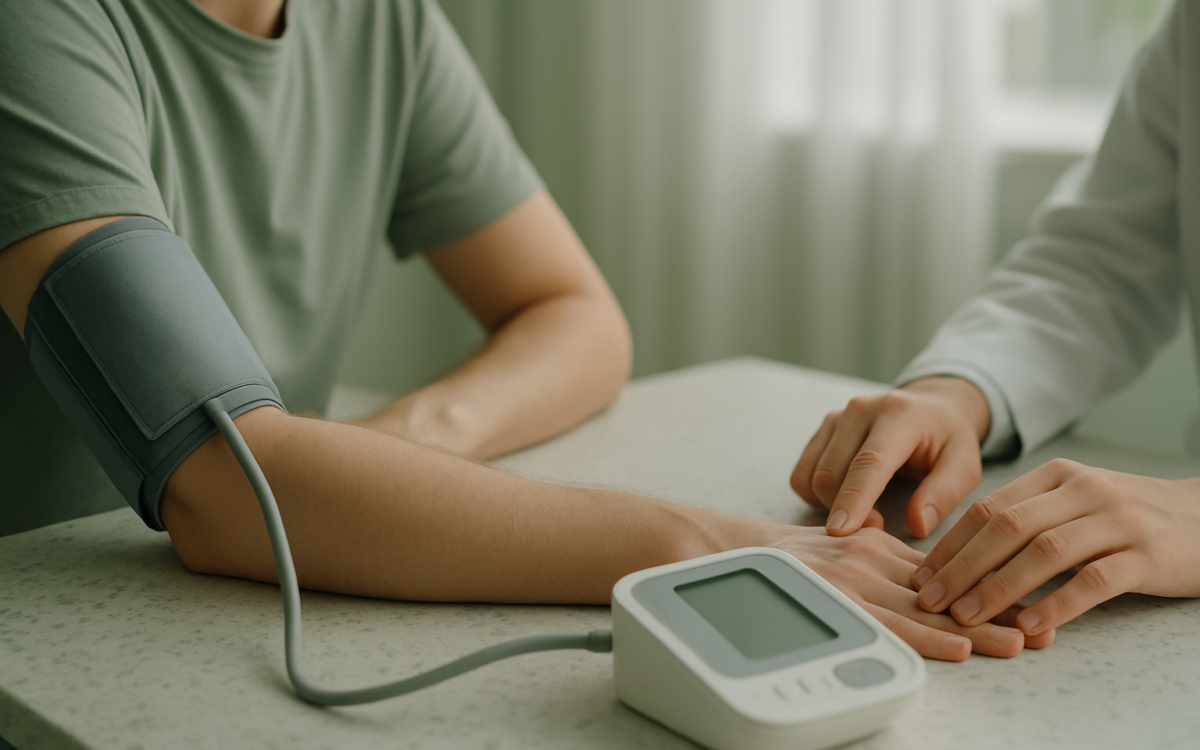
Keeping track of your blood pressure is crucial in managing your health. You can monitor it at home using a blood pressure cuff or visit a clinic for checks. Keeping a record of your readings can help you understand how lifestyle changes are affecting your blood pressure.
When to See a Doctor
If you consistently find that your blood pressure is elevated—above 130/80 mmHg—it’s important to consult a healthcare professional. Additionally, seek medical advice if you have other risk factors for heart disease, such as a family history, obesity, or diabetes.
Conclusion
Lowering your blood pressure naturally is not only about one big change; it’s about a series of small, consistent lifestyle adjustments. By adopting a heart-healthy diet, engaging in regular exercise, managing stress, considering treatment options, and monitoring your readings, you can take significant steps toward better health.
