
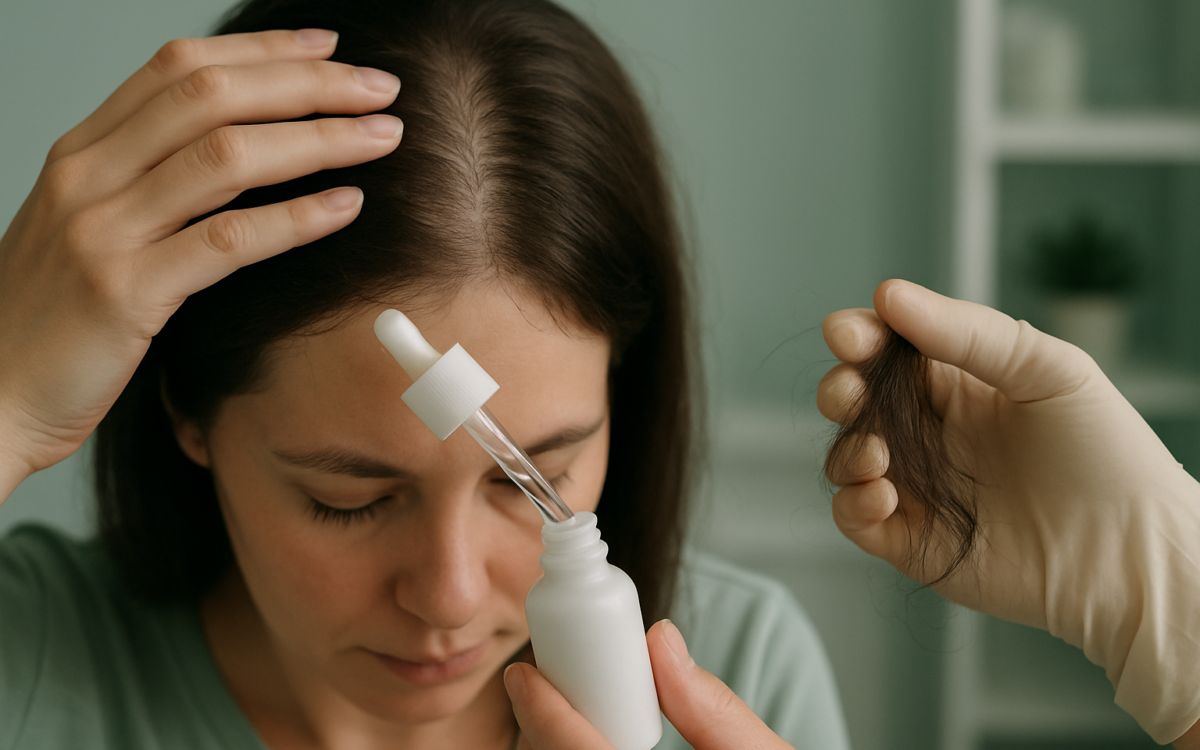
Experiencing hair loss can be a distressing reality for many people, and it often brings up questions about how to maintain healthy hair. The good news is that there are several strategies you can adopt to reduce the risk of hair loss. By understanding what factors contribute to this issue, you can take proactive steps toward preserving your hair and promoting overall well-being.
Understanding Hair Loss
Before diving into prevention methods, it’s essential to understand the reasons behind hair loss. Common causes include genetic factors, hormonal changes, stress, poor nutrition, and certain medical conditions. The most prevalent type of hair loss is androgenetic alopecia, commonly known as male or female pattern baldness, which is largely hereditary.
Maintain a Balanced Diet
Your diet plays a significant role in the health of your hair. Hair follicles require a range of nutrients to function optimally. Here are some essential nutrients to include in your diet:
- Protein: Hair is primarily made of protein, so ensure you’re getting enough from sources like lean meats, fish, beans, and nuts.
- Iron: Low iron levels can lead to hair loss, so include iron-rich foods like spinach, lentils, and red meat in your meals.
- Omega-3 Fatty Acids: Found in fatty fish such as salmon, these healthy fats can help nourish your hair and promote growth.
- Vitamins: Vitamins A, C, D, and E are vital for hair health. Incorporate fruits, vegetables, and whole grains to get these nutrients.
A nutrient-rich diet not only supports hair health but also enhances your overall health. If you’re uncertain whether your diet is sufficient, consider consulting a healthcare professional or a registered dietitian.
Adopt Proper Hair Care Practices
How you care for your hair is crucial in preventing hair loss. Here are some simple yet effective tips:
- Be Gentle: When brushing or styling, be gentle to avoid unnecessary pulling. Choose a wide-toothed comb for wet hair.
- Avoid Heat Damage: Minimize the use of heat styling tools, and always use a heat protectant if you must use them.
- Limit Chemical Treatments: Harsh chemicals from dyes and treatments can weaken hair. If you color your hair, opt for less aggressive options.
- Shampoo Regularly: Wash your hair regularly with a mild shampoo to keep the scalp clean, which can promote hair health.
Manage Stress Effectively
Stress can take a toll on your hair. When you’re stressed, your body can enter a state of shock, which may lead to temporary hair loss. Finding effective ways to manage stress can be beneficial not just for your hair but for your overall health as well. Consider incorporating activities such as:
- Exercise: Regular physical activity can improve mood and reduce stress levels.
- Meditation and Mindfulness: People who meditate often report lower stress levels and improved focus.
- Hobbies: Engaging in hobbies you enjoy can serve as an effective distraction and stress reliever.
Consider Medical Treatments
If you’re concerned about hair loss and lifestyle changes aren’t helping, you might explore medical treatment options. Various treatments are available, ranging from topical solutions to surgical procedures. Popular options include:
- Minoxidil: An over-the-counter topical treatment that can promote hair growth in some individuals.
- Finasteride: A prescription medication for men that helps to slow down hair loss.
- Hair Transplantation: A surgical procedure that involves moving hair follicles from one part of the body to the balding area.
After exhausting lifestyle methods, if you wish to explore medical options further, seeking treatment in Turkey could be a viable option, as the country offers a range of hair restoration clinics with experienced professionals.
Stay Hydrated
Drinking plenty of water is often overlooked when discussing hair health. Hydration stems from every cell in your body, including your hair follicles. Dehydration can make hair dry and brittle, increasing the risk of breakage. Aim for at least 8 glasses of water a day, and adjust based on your activity level and environment. Additionally, consuming foods with high water content, such as fruits and vegetables, can further benefit your hydration levels.
When to See a Doctor
If you notice sudden or patchy hair loss, or if hair loss is accompanied by symptoms like itchiness or redness on the scalp, it’s essential to consult a healthcare provider. They can help determine the underlying causes and recommend appropriate treatment options. Early intervention can make a significant difference in the management of hair loss.
In conclusion, while hair loss can be frustrating and concerning, understanding your body and taking actionable steps can help prevent it. By maintaining a healthy lifestyle and considering medical options if necessary, you can pave the way for healthier hair and improved confidence.
