
In today’s fast-paced world, it’s not uncommon to feel anxious and overwhelmed. Whether it’s work, relationships, or daily responsibilities, anxiety can creep in and take hold of our minds. The good news is that there are effective techniques you can use to release anxiety and promote a sense of calm. In this article, we’ll explore practical strategies based on scientific research to help you reclaim your peace of mind.
Understanding Anxiety
Anxiety is a natural response to stress, a feeling of fear or apprehension about what’s to come. It can manifest in various ways, including restlessness, rapid heartbeat, or trouble focusing. While occasional anxiety is a normal part of life, chronic anxiety can interfere with your daily activities. Understanding the nature of anxiety is the first step in learning how to manage it.
Breathing Techniques to Release Anxiety
One of the most effective strategies for reducing anxiety involves focusing on your breath. Deep breathing alters your body’s response to anxiety and activates the relaxation response.
How to Practice Deep Breathing
- Find a quiet and comfortable space.
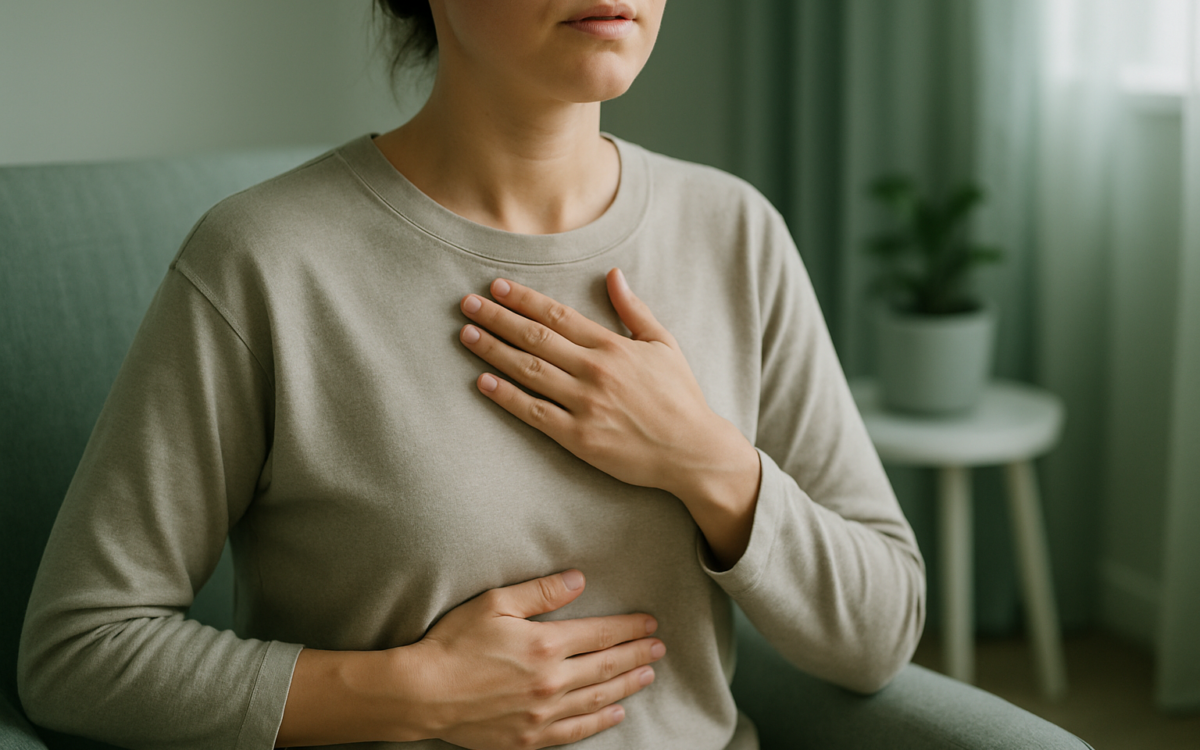
- Close your eyes and place one hand on your chest and the other on your stomach.
- Inhale deeply through your nose, allowing your stomach to expand, while keeping your chest still.
- Exhale slowly through your mouth, feeling your stomach fall. Repeat this for several minutes.
Research shows that deep breathing can lower stress levels and can even assist in lowering heart rate and blood pressure (NIH). Incorporating this technique into your daily routine can provide immediate relief during anxious moments.
Exercise: A Natural Anxiety Reducer
Physical activity is a powerful way to combat anxiety. Exercise helps reduce stress hormones while releasing endorphins, chemicals in the brain that act as natural painkillers and mood elevators. Even a short stroll can help shift your mood.
Types of Exercise to Consider
- Walking or jogging: A brisk walk outdoors connects you with nature and boosts your endorphin levels.
- Yoga: Combining physical movement with breath control, yoga enhances flexibility and promotes relaxation.
- Dancing: Dancing not only lifts your mood but also provides a fun way to exercise.
Try to aim for at least 30 minutes of moderate exercise most days of the week. Studies show that regular physical activity can significantly reduce feelings of anxiety and depression (WHO).
The Power of Mindfulness and Meditation
Mindfulness is the practice of being fully present in the moment. It encourages acceptance of your thoughts and feelings without judgment, which can greatly assist in managing anxiety.
Getting Started with Mindfulness
- Mindful Breathing: Focus on your breath, noticing each inhale and exhale, and gently bringing your mind back when it wanders.
- Body Scan: Lie down comfortably and mentally scan your body from head to toe, noting any areas of tension.
- Guided Meditations: Use apps or online resources that lead you through mindfulness practices.
Research published in peer-reviewed journals indicates that mindfulness practices can significantly decrease anxiety and increase emotional regulation (NIH).
Connect with Others
Feeling connected with family and friends can ease anxiety. Sharing your feelings and experiences creates a support system that can uplift you during difficult times.
Ways to Connect
- Reach out: Call or message a friend when you’re feeling anxious.
- Join a community group: Engage with people who share similar interests or challenges.
- Participate in group activities: Whether it’s volunteering or joining a club, being around others can provide distraction and support.
Being social reduces feelings of isolation that may intensify anxiety. Connecting with others can help you feel more grounded and less alone.
Prioritize Self-Care and Routine
Establishing a daily routine can bring structure to your life and provide a sense of predictability. Additionally, prioritizing self-care helps recharge your emotional batteries.
Self-Care Practices to Consider
- Get enough sleep: Aim for 7-9 hours of quality sleep each night.
- Eat a balanced diet: Nutrient-rich foods can influence your mood positively.
- Limit caffeine and alcohol: Both can increase anxiety levels.
Incorporating self-care into your daily life can encourage a healthier mindset, contributing to both your physical and mental well-being.
When to See a Doctor
If your anxiety persists and starts to interfere with your daily life, it may be time to consult a healthcare professional. Symptoms like extreme worry, difficulty concentrating, and changes in sleep or appetite could indicate an anxiety disorder. A doctor can help evaluate your condition and discuss treatment options, including therapy or medications.
Taking steps to release anxiety is a journey, and what works for one person may not work for another. By experimenting with various techniques and strategies, you can find what best aids your mental health. Remember, seeking help is a sign of strength, and you don’t have to face anxiety alone.
