
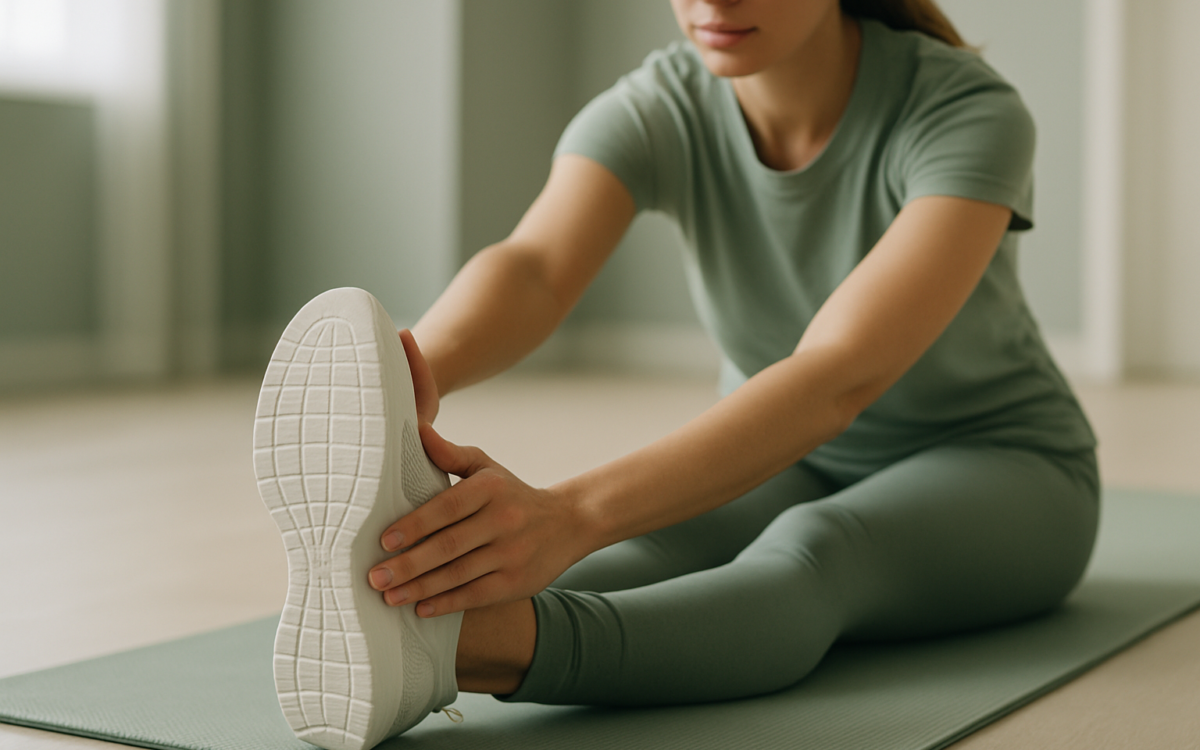
Stretching is an essential part of any fitness routine, especially for beginners. It helps improve flexibility, enhances range of motion, and can even prevent injuries. As we age or become less active, our muscles and joints may tighten, making it crucial to incorporate stretching into our daily lives. This article highlights beginner-friendly stretching exercises that are easy to follow and effective in promoting physical well-being.
Why Stretching Matters
Engaging in regular stretching has numerous health benefits. It can improve blood circulation, reduce muscle tension, and even enhance athletic performance. According to the National Heart, Lung, and Blood Institute, stretching helps maintain flexibility, which is vital for overall health. Furthermore, it prepares your muscles for physical activity and aids in recovery afterward.
When to Stretch
Stretching is best done at two key times: during warm-up and cooling down. Before exercising, warming up with stretches can help prepare your muscles for movement. Cooling down with stretches afterward promotes recovery and reduces stiffness.
Basic Stretching Techniques
To get the most out of your stretching exercises, here are some basic techniques to keep in mind:
- Breathe deeply: Inhale as you prepare to stretch and exhale as you hold the stretch. This helps relax your muscles.
- Avoid bouncing: Stretching should be a smooth and gentle process. Bouncing can lead to injury.
- Hold each stretch: Aim to hold each stretch for 15-30 seconds, allowing your muscles to relax and lengthen.
- Stretch both sides: Always stretch both the left and right sides of your body equally.
Beginner-Friendly Stretching Exercises
1. Neck Stretch
This stretch is great for relieving tension in the neck area. Sit or stand comfortably.
- Slowly tilt your head to one side, trying to bring your ear towards your shoulder.
- Hold the stretch for 15-30 seconds, feeling the gentle pull on the side of your neck.
- Repeat on the other side.
2. Shoulder Stretch
This exercise helps to loosen up the shoulders, which can be tight after working at a desk.
- Bring one arm across your body.
- Use the opposite hand to gently pull your arm closer to your body.
- Hold for 15-30 seconds, then switch arms.
3. Chest Stretch
This stretch can open up your chest and counteract the effects of slouching.
- Stand with your feet shoulder-width apart.
- Interlace your fingers behind your back and straighten your arms.
- Gently lift your arms while keeping your shoulders down. Hold for 15-30 seconds.
4. Hamstring Stretch
A classic stretch for your legs, particularly beneficial for those who sit for extended periods.
- While standing, place one foot on a low surface, like a step or a sturdy chair.
- Keep your leg straight and hinge at your hips, leaning forward slightly.
- Hold for 15-30 seconds and then switch legs.
5. Quadriceps Stretch
This exercise helps stretch the front of your thighs.
- Stand on one foot, using a wall or chair for balance if needed.
- Bend the opposite knee and bring your heel towards your buttocks.
- Hold your ankle with your hand, keeping your knees together. Hold for 15-30 seconds, then switch sides.
6. Calf Stretch
This stretch is important for maintaining flexibility in the lower legs.
- Stand facing a wall and place your hands against it.
- Step one foot back, keeping it straight while bending the front knee.
- Press your back heel into the ground. Hold for 15-30 seconds and switch legs.
Tips for Consistency
To fully benefit from stretching, consistency is key. Here are some tips to help you incorporate stretching into your routine:
- Set a schedule: Choose specific times in the day when you will stretch, like first thing in the morning or after your workouts.
- Join a class: Consider joining a local yoga or stretching class to stay motivated and learn more techniques.
- Use reminders: Set reminders on your phone or leave sticky notes in visible places to remind you to stretch.
When to See a Doctor
While stretching is generally safe for most individuals, if you experience any sharp pain during stretching or persistent discomfort afterward, it may be time to consult a doctor. Additionally, if you have any existing injuries or medical conditions, you should speak with a healthcare professional before starting a new stretching regimen. You can find more information about safely exercising at the CDC website.
Conclusion
Stretching is a simple yet effective way to enhance flexibility and promote overall well-being. By incorporating these beginner-friendly exercises into your daily routine, you can enjoy a variety of physical and health benefits. Remember to listen to your body and consult a healthcare professional if you have any concerns about your stretching regimen. Your body will thank you for taking this time to care for it!
