
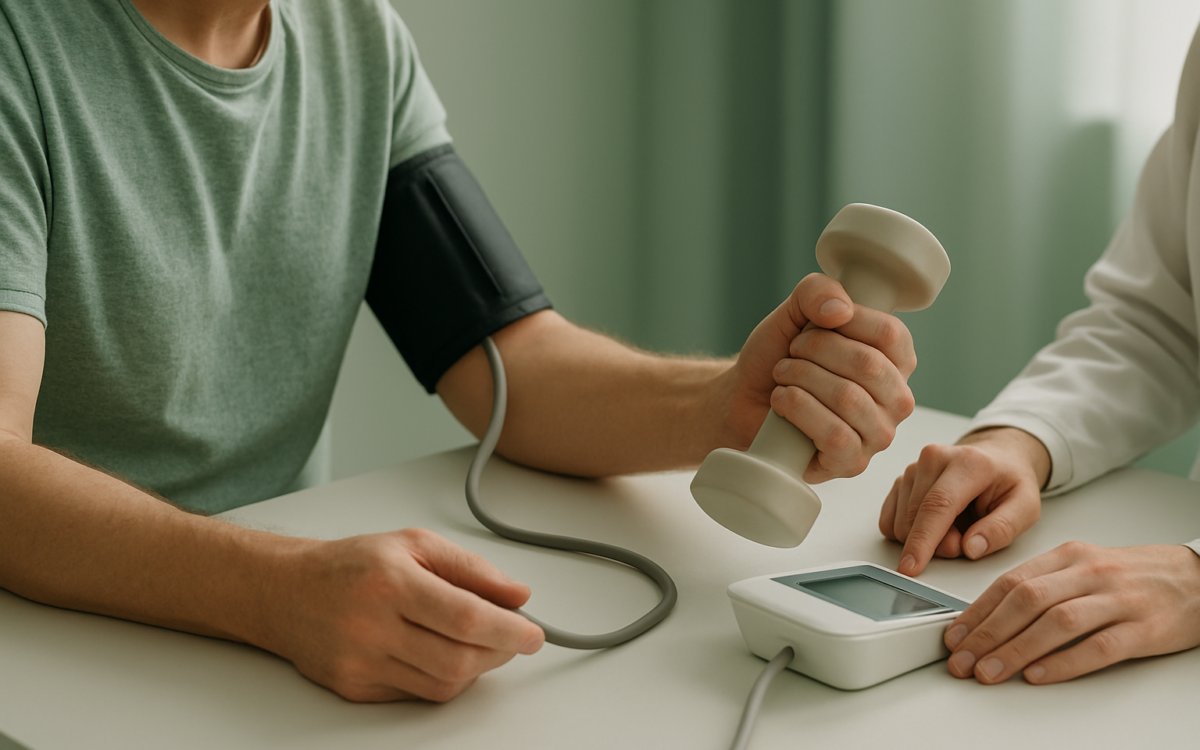
High blood pressure, particularly diastolic blood pressure, is a common health concern among many adults today. Diastolic blood pressure measures the pressure in your arteries when your heart rests between beats. Elevated levels can lead to serious conditions such as heart disease and stroke. Fortunately, there are several natural methods to help lower your diastolic blood pressure.
Understanding Diastolic Blood Pressure
Before diving into ways to reduce diastolic blood pressure, it’s important to understand what it is. Blood pressure is expressed with two numbers: systolic and diastolic. Systolic pressure, the first number, measures the pressure in your arteries when your heart beats. Diastolic pressure, the second number, measures the pressure when your heart is resting. Normal diastolic blood pressure is typically less than 80 mmHg. High blood pressure is generally defined as having a diastolic reading of 90 mmHg or higher. Understanding your blood pressure is crucial for managing your health.
Adopt a Heart-Healthy Diet
Your diet plays a key role in managing blood pressure levels. Consider the following dietary changes to help lower your diastolic blood pressure:
- Emphasize fruits and vegetables: Aim for at least five servings a day. Foods rich in potassium, such as bananas, spinach, and avocados, can be particularly helpful.
- Reduce salt intake: High sodium levels can increase blood pressure. The American Heart Association recommends limiting sodium to less than 2,300 mg per day, and ideally to 1,500 mg.
- Choose whole grains: Whole grain foods like brown rice, oatmeal, and whole-wheat bread can help maintain healthy blood pressure levels.
- Limit processed foods: Processed foods often contain high amounts of salt and unhealthy fats. Cooking at home can help you better manage your intake.
Stay Physically Active
Regular physical activity can have a significant impact on your blood pressure. Aim for at least 150 minutes of moderate aerobic exercise, such as walking or cycling, every week. Here are some benefits of staying active:
- Exercise strengthens your heart, enabling it to pump blood more efficiently.
- Physical activity can help you maintain or lose weight, reducing the strain on your heart.
- Engaging in activities like yoga or tai chi can also promote relaxation, which can aid in lowering blood pressure.
Maintain a Healthy Weight
Excess weight can contribute to high blood pressure. Losing even a small amount of weight can have a positive impact on your diastolic blood pressure. The CDC provides tools and tips for effective weight loss, including:
- Setting achievable weight loss goals.
- Tracking your eating habits and physical activity.
- Seeking support from friends or support groups.
Manage Stress Effectively
Chronic stress can lead to a temporary spike in blood pressure. Finding ways to manage your stress can be beneficial for your overall health. Here are some effective stress-reduction techniques:
- Meditation: Practicing mindfulness meditation can help calm your mind and reduce blood pressure.
- Deep breathing exercises: Focusing on your breath helps reduce tension and promote relaxation.
- Regular physical activity: Exercise is a great way to relieve stress and improve your mood.
- Connect with others: Spending time with friends and family can help distract you from stressors and provide emotional support.
Limit Alcohol and Quit Smoking
Both alcohol and tobacco can contribute to high blood pressure. If you drink alcohol, do so in moderation, as excessive drinking can raise blood pressure levels. The WHO defines moderate drinking as up to one drink per day for women and up to two for men. If you smoke, seeking help to quit is one of the best things you can do for your heart and your blood pressure.
When to See a Doctor
If you notice persistent high diastolic blood pressure readings or if you experience symptoms such as headaches, shortness of breath, or chest pain, it’s important to consult a healthcare professional. Regular check-ups can help monitor your blood pressure and provide targeted strategies tailored to your health needs.
In summary, lowering your diastolic blood pressure often involves lifestyle changes that can greatly improve your overall health. By adopting a heart-healthy diet, staying active, managing stress, and limiting alcohol and tobacco, you can take significant steps toward better health. Always remember, consulting with your healthcare provider is essential for managing high blood pressure effectively.
