
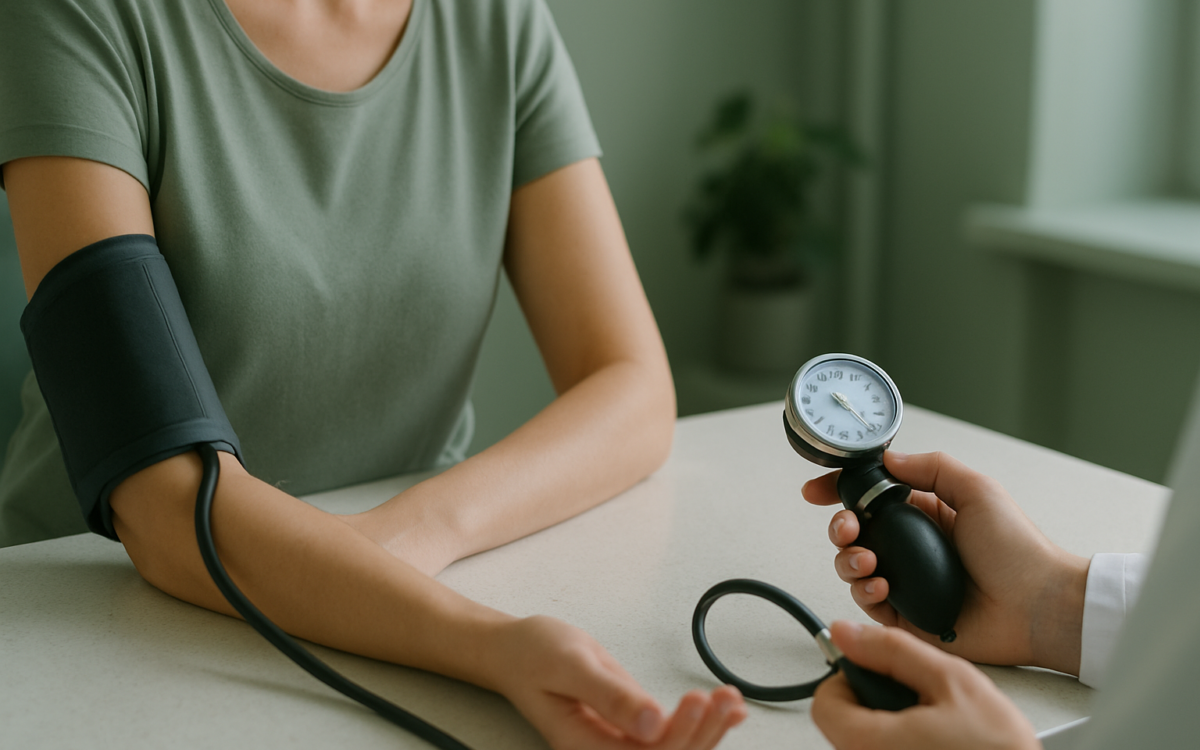
High blood pressure, or hypertension, is a common health issue that affects millions of people. It can lead to serious conditions like heart disease and stroke if left unmanaged. Fortunately, there are many effective and natural ways to lower your blood pressure and improve your overall cardiovascular health. In this article, we’ll explore simple lifestyle changes that can help bring blood pressure down.
Understand Your Blood Pressure Numbers
Before you can effectively lower your blood pressure, it’s important to understand what the numbers mean. Blood pressure is measured using two numbers: systolic (the top number) and diastolic (the bottom number). Normal blood pressure is typically around 120/80 mmHg. If your reading is consistently above 130/80 mmHg, it’s considered elevated or high. Monitoring these numbers can help you track your progress.
Improve Your Diet
Your diet plays a crucial role in managing blood pressure. Some key dietary changes include:
- Reduce sodium intake: Aim for no more than 2,300 mg of sodium per day, or even less if possible. Read labels and choose low-sodium options.
- Adopt the DASH diet: The Dietary Approaches to Stop Hypertension (DASH) diet emphasizes fruits, vegetables, whole grains, and lean proteins. Studies, such as those published by the NIH, show that this diet can significantly reduce blood pressure.
- Increase potassium-rich foods: Foods high in potassium, such as bananas, oranges, spinach, and sweet potatoes, can help balance sodium levels and ease tension in blood vessel walls.
- Avoid processed foods: Many processed foods contain high levels of sugar, unhealthy fats, and sodium, which can contribute to increased blood pressure.
Get Moving: The Importance of Exercise
Regular physical activity is one of the best things you can do to lower your blood pressure. Aim for at least 150 minutes of moderate aerobic exercise each week, such as walking, jogging, or cycling. Here’s how exercise can help:
- Reduces stress: Exercise helps lower stress hormones, which can contribute to high blood pressure.
- Strengthens the heart: A stronger heart can pump blood more efficiently, which can help lower systolic blood pressure.
- Supports weight management: Losing weight, even a small amount, can lead to significant reductions in blood pressure.
Limit Alcohol and Stop Smoking
Both alcohol and tobacco can significantly impact your blood pressure. If you drink alcohol, do so in moderation. For men, this means no more than two drinks per day, and for women, no more than one. Additionally, smoking increases blood pressure and damages your blood vessels. Quitting smoking can improve overall heart health and lower blood pressure.
Manage Stress Effectively
Chronic stress can contribute to high blood pressure. Here are some effective methods to manage stress:
- Practice mindfulness: Techniques such as meditation, yoga, or deep-breathing exercises can help calm your mind and body.
- Stay connected: Social connections can provide support. Spend time with friends and family, or join a community group.
- Engage in hobbies: Find activities that relax and make you happy, such as reading, gardening, or painting.
Get Adequate Sleep
Proper sleep is essential for your overall health and can help regulate blood pressure. Aim for 7 to 9 hours of quality sleep each night. Here are some tips for improving sleep quality:
- Establish a sleep routine: Go to bed and wake up at the same time each day, even on weekends.
- Create a restful environment: Make your bedroom dark, quiet, and cool to promote better sleep.
- Limit screen time: Reduce exposure to screens before bedtime, as blue light can interfere with sleep.
Natural Supplements to Consider
Some natural supplements may help lower blood pressure, but it’s essential to consult your doctor before starting any new supplement regimen. Potential options include:
- Omega-3 fatty acids: Found in fish oil, these have been shown to help lower blood pressure in some studies.
- Coenzyme Q10 (CoQ10): This antioxidant may have blood pressure-lowering effects.
- Beetroot juice: Some research indicates that beetroot juice can help reduce blood pressure due to its high nitrate content.
When to See a Doctor
If you consistently get readings above 130/80 mmHg, or if you notice symptoms such as headaches, fatigue, or difficulty breathing, it’s important to consult a doctor. They can assess your situation and recommend an appropriate plan for managing your blood pressure.
Taking control of your blood pressure doesn’t have to be overwhelming. By making gradual lifestyle changes, you can improve your heart health and reduce your blood pressure. Each positive step, no matter how small, contributes to a healthier future.
