
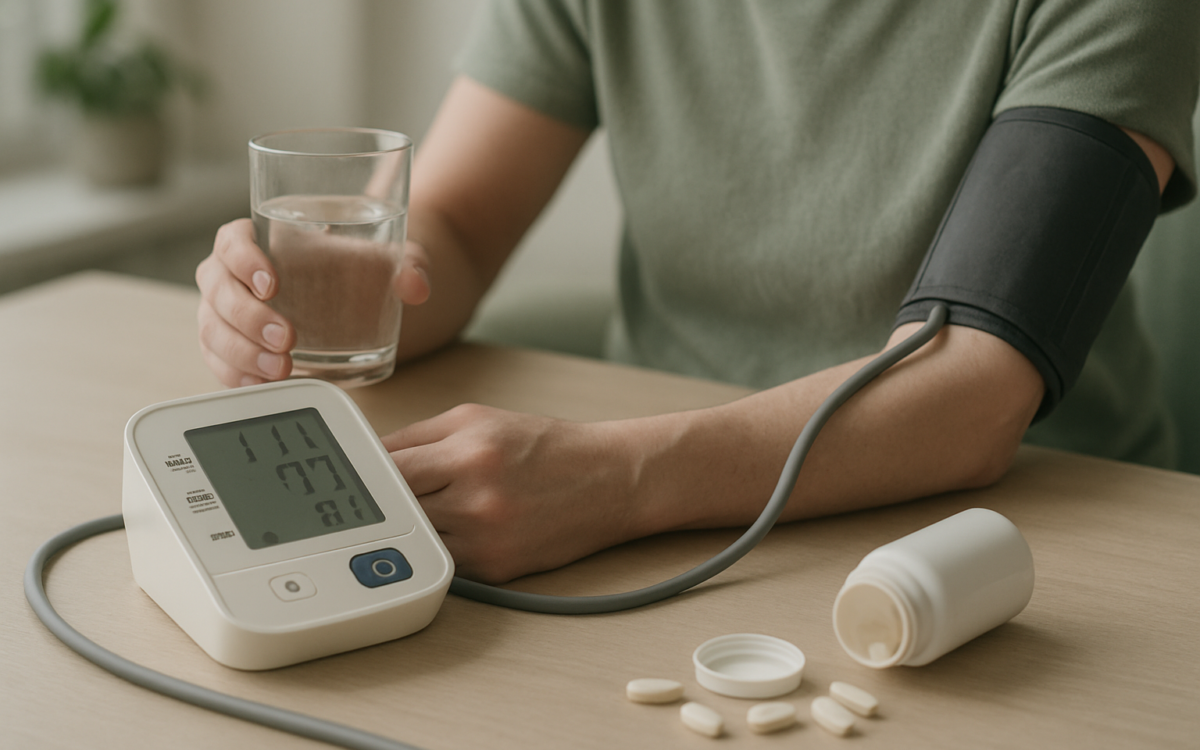
If you’re feeling dizzy, lightheaded, or excessively tired, it might be due to low blood pressure, also known as hypotension. For some people, low blood pressure can cause significant discomfort. While it’s essential to consult with a healthcare professional for long-term management, there are several simple strategies you can implement at home to raise blood pressure quickly and safely. Let’s explore these options, keeping in mind that you should always check with your doctor if you have ongoing issues with low blood pressure.
Increase Fluid Intake
Staying well-hydrated is critical for maintaining blood pressure levels. When you are dehydrated, your blood volume can decrease, leading to lower blood pressure.
- Drink Water: Aim to drink several glasses of water throughout the day. This can help increase blood volume and, in turn, raise blood pressure.
- Consume Electrolytes: Drinks that contain electrolytes, like sports drinks or oral rehydration solutions, can also be effective in increasing fluid retention and assisting with blood pressure.
- Limit Caffeinated Beverages: While caffeine can momentarily boost blood pressure, it can lead to dehydration. Balance is key.
Eat a Balanced Snack
What you eat can significantly influence your blood pressure levels. Consuming a snack that combines salt and carbohydrates can provide a quick fix for low blood pressure.
- Salt: Sodium helps retain fluid in the body. If your doctor approves, try nibbling on salty snacks like pretzels, nuts, or salted crackers.
- Carbohydrates: Foods such as bread or pasta can raise blood sugar levels, which can indirectly improve blood pressure. Pair your salty snack with carbohydrates for the best effect.
- Stay Away from Heavy Meals: Large meals can divert blood flow to your digestive system, further lowering your blood pressure. Eating smaller, regular meals may help maintain more stable levels.
Check Your Posture
Your posture can influence blood pressure, especially when standing up or changing positions. Certain adjustments can prevent your blood pressure from dropping too low.
- Avoid Sudden Movements: When getting up from a seated or lying position, do so slowly. This allows your body to adjust and can help prevent dizziness.
- Sit or Lie Down: If you’re feeling lightheaded, sit or lie down until the feeling passes. This can help your blood pressure stabilize.
Use Compression Garments
Wearing compression stockings can help improve blood flow and prevent blood from pooling in your legs, which can help manage low blood pressure.
- Support Stockings: These can provide gentle pressure on your legs, helping maintain circulation and reduce symptoms of orthostatic hypotension (a drop in blood pressure when standing).
- How to Use: Wear them throughout the day, especially when you know you will be on your feet for extended periods.
Take Deep Breaths and Relax
Stress and anxiety can also play a role in blood pressure fluctuations. Taking a moment to practice relaxation techniques might help you manage your blood pressure.
- Deep Breathing Exercises: Engage in deep breathing exercises or meditation for a few minutes to help lower stress levels and potentially stabilize blood pressure.
- Mindfulness and Meditation: These practices can support overall well-being and help you feel more grounded when dealing with symptoms.
Stay Active and Exercise Regularly
Regular physical activity can help improve overall blood circulation and may assist in managing low blood pressure over time.
- Gentle Exercises: Activities such as walking, swimming, or cycling can help increase your heart rate and improve overall circulation.
- Avoid Overexertion: Be cautious with high-intensity workouts, especially if you are feeling lightheaded. Start with mild exercises and slowly increase intensity as your body adjusts.
When to See a Doctor
If you frequently experience symptoms of low blood pressure, such as dizziness, fainting spells, or fatigue, it’s essential to consult a healthcare professional. Chronic low blood pressure can sometimes indicate underlying health issues that need to be addressed, such as dehydration, heart problems, or endocrine disorders. Your doctor can help identify the cause and recommend appropriate treatments.
For more information on managing blood pressure, check resources from the Mayo Clinic or the CDC.
While these home strategies can be effective for short-term relief, always prioritize your health by seeking professional medical advice for ongoing low blood pressure concerns.
