
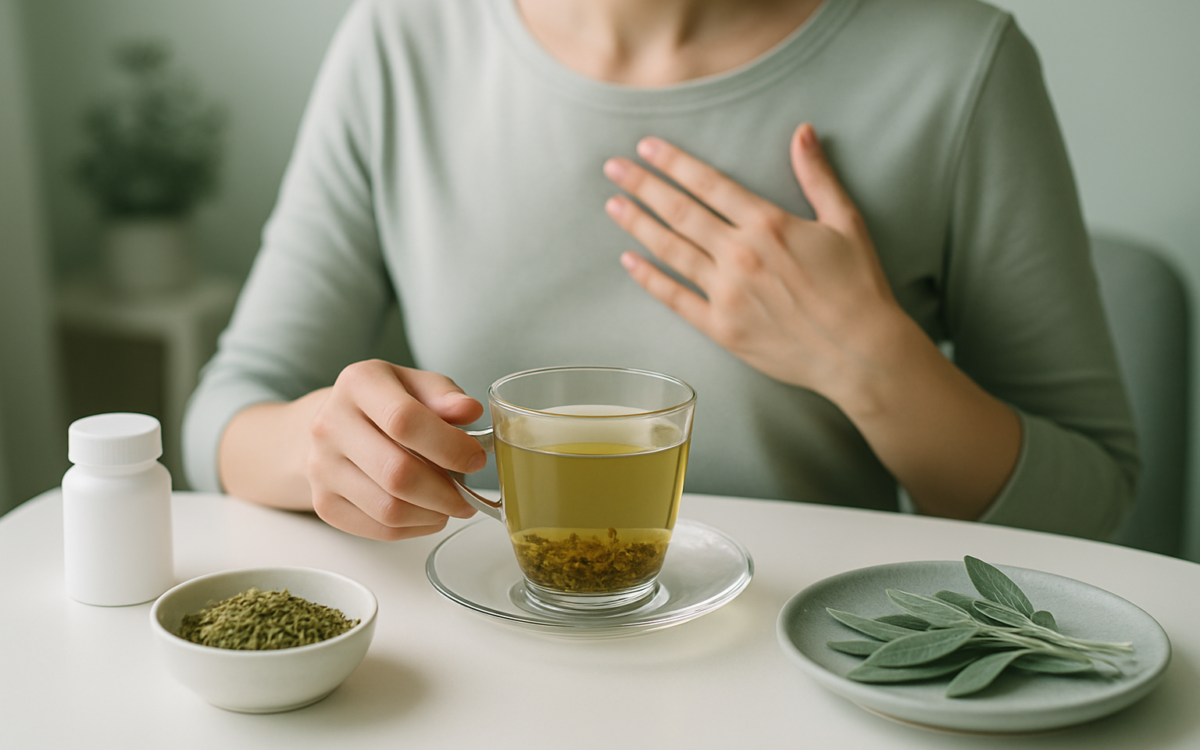
In our fast-paced world, finding moments of calm can be challenging. Stress can invade our daily lives, leaving us feeling overwhelmed and anxious. One simple solution for many is a warm cup of tea. With its soothing qualities and various flavors, tea has been a comforting beverage for centuries. In this article, we will explore different types of stress relief teas, their benefits, preparation methods, and more.
Understanding Stress and Its Effects
Before diving into the world of stress relief teas, it’s essential to understand what stress is and how it impacts our health. Stress is the body’s natural response to challenges or demands known as stressors. When faced with stress, our bodies release hormones like adrenaline and cortisol, which prepare us for the “fight or flight” response. While short bursts of stress can be beneficial, prolonged stress can lead to various health issues, including anxiety, depression, and even cardiovascular problems. According to the NIH, managing stress is crucial for maintaining mental and physical health.
The Benefits of Tea
Drinking tea has been associated with numerous health benefits. Here are a few reasons why tea can be a good companion on your stress relief journey:
- Rich in Antioxidants: Many teas contain antioxidants that can combat oxidative stress and promote overall health.
- Calming Effects: Certain compounds in tea can help promote relaxation, decrease anxiety, and improve mood.
- Mindful Ritual: The act of preparing and enjoying a cup of tea can itself be a meditative and calming practice.
Top Teas for Stress Relief
Chamomile Tea
Chamomile tea is one of the most well-known herbal teas often associated with relaxation. Studies suggest that chamomile can help reduce anxiety and improve sleep quality. It contains apigenin, an antioxidant that binds to specific receptors in the brain, potentially leading to sedative effects. For best results, brew chamomile tea using dried flowers and steep for about 5 minutes.
Lavender Tea
Known for its fragrant aroma, lavender tea also offers therapeutic benefits. Research has shown that inhaling the scent of lavender can decrease anxiety levels. Drinking lavender tea may enhance relaxation and sleep quality. Brew lavender tea using dried buds, letting it steep for 5 to 10 minutes for optimal flavor and benefits.
Green Tea
While green tea is often celebrated for its health benefits, it also has calming properties thanks to an amino acid called L-theanine. This compound can help improve mood and promote relaxation without causing drowsiness. Drinking green tea in the afternoon can be a perfect way to combat stress while maintaining energy levels.
Passionflower Tea
The exotic name of passionflower tea might pique your interest, but its calming effects are what make it a notable choice. Research indicates that passionflower may help alleviate anxiety and improve sleep. Steep dried passionflower leaves for about 6-8 minutes to enjoy its mildly sweet flavor and stress-relieving benefits.
How to Prepare Stress Relief Teas
Here’s a simple guide to brewing the perfect cup of stress relief tea:
- Choose Quality Ingredients: Opt for high-quality loose-leaf tea or herbal blends for the best flavor and benefits.
- Correct Temperature: Different types of tea require specific temperatures for brewing. For instance, green tea is best brewed at around 175°F, while herbal teas often require boiling water (around 212°F).
- Steeping Time: Follow recommended steeping times as over-steeping can result in bitterness, while under-steeping may lead to a weak flavor.
- Additions: Enhance the flavor and benefits by adding honey, lemon, or even a splash of milk if desired.
Creating a Relaxing Atmosphere
The experience of drinking tea can be greatly enhanced by creating a calming atmosphere. Here are some tips to elevate your tea-drinking ritual:
- Set the Scene: Dim the lights and find a comfortable spot to sit. A cozy chair or a spot outdoors can make all the difference.
- Mindfulness: Take a few deep breaths before sipping your tea. Focus on the aroma, flavor, and warmth of the cup in your hands. This practice encourages mindfulness, allowing you to fully appreciate the moment.
- Background Sounds: Consider playing soft music or nature sounds to further enhance your relaxation.
When to See a Doctor
While stress relief teas can be beneficial, it is essential to remember that they are not a replacement for professional medical advice or treatment. If you experience chronic or severe stress, anxiety, or any mental health concerns, it’s vital to consult a healthcare professional. The CDC provides resources and information on mental health support if you need assistance.
Conclusion
Finding effective and soothing ways to manage stress is essential for maintaining a healthy lifestyle. Stress relief teas not only provide a comforting ritual but also offer numerous health benefits. Whether you choose chamomile, lavender, green tea, or passionflower, remember to savor each sip and create a peaceful moment for yourself. As always, should you have ongoing stress issues or seek further guidance, don’t hesitate to reach out to a healthcare provider.
