
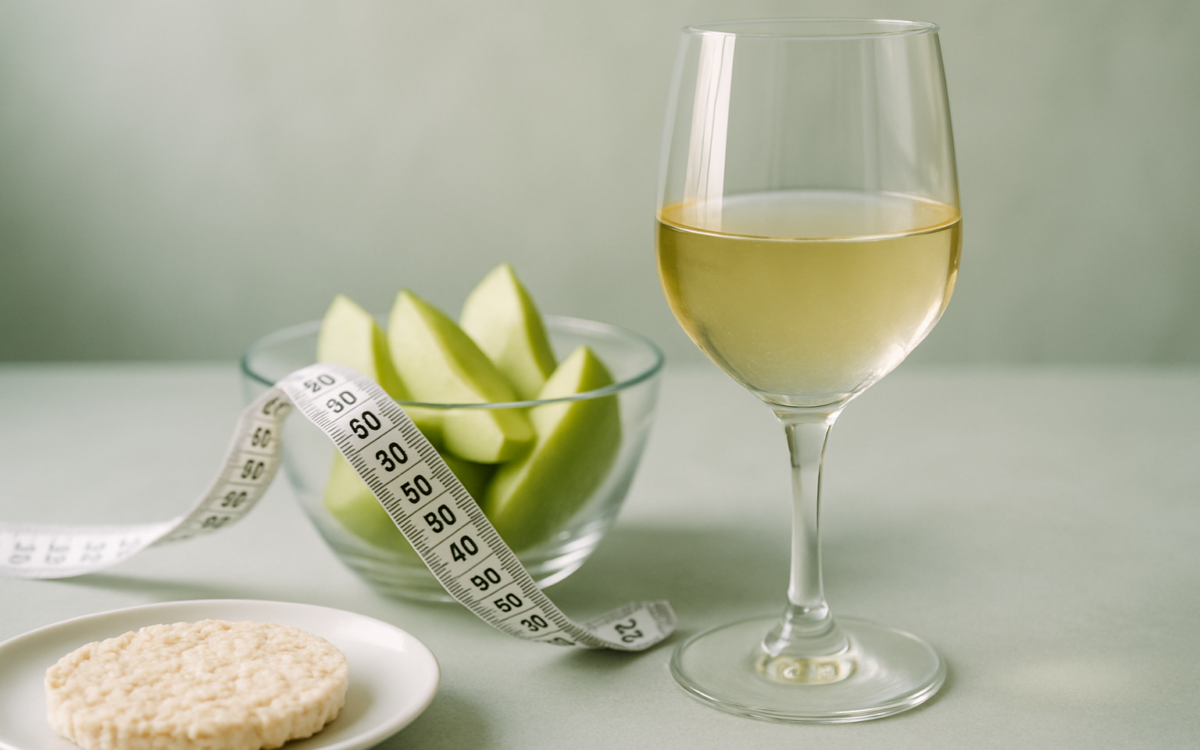
When it comes to socializing or unwinding after a long day, many of us enjoy a drink or two. However, if you’re watching your calorie intake, you might feel torn between having fun and staying healthy. The good news is that you can still savor alcohol while keeping your calorie count low. In this article, we’ll explore various low-calorie alcoholic options, tips for mindful drinking, and how to make healthier choices without sacrificing enjoyment.
Understanding Caloric Content in Alcohol
First, it’s essential to understand how calories appear in alcoholic beverages. Alcohol itself contains calories, about 7 calories per gram, which is more than carbohydrates and proteins at 4 calories per gram each. The way drinks are prepared can add even more calories, particularly from mixers like soda, cream, and sugary syrups. For instance, a classic gin and tonic can quickly turn into a high-calorie beverage if topped with sweet tonic water.
Low-Calorie Alcoholic Drink Options
If you’re looking for delicious drinks that won’t derail your diet, here are some options:
- Light Beer: Many light beers contain around 90-110 calories per 12-ounce serving. They offer all the enjoyment of a beer but with fewer calories.
- Wine: Dry wines typically have fewer calories than sweet wines. A 5-ounce glass of red or white wine usually contains about 120-130 calories.
- Spirits with Minimal Mixers: Spirits like vodka, gin, rum, or whiskey generally have around 65-100 calories per 1.5-ounce shot. To keep it low-cal, consider mixing these with club soda, sparkling water, or a slice of lime.
- Seltzer Cocktails: Crafting cocktails with sparkling water or flavored seltzers instead of sugary mixers can cut the calories significantly, making for a refreshing, lighter option.
Mindful Drinking Strategies
While enjoying low-calorie alcoholic beverages is a great start, being mindful about your drinking habits is equally essential. Here are some tips to help you:
- Track Your Intake: Keeping a journal or using an app to track how much you drink each week can help you stay aware of your consumption and its impact on your health.
- Eat Before or While You Drink: Having food in your stomach slows the absorption of alcohol and can help prevent extra snacking that might come with drinking.
- Choose Quality Over Quantity: Instead of having multiple drinks, opt for one high-quality beverage that you enjoy. This approach can make the experience more satisfying.
- Stay Hydrated: For every alcoholic drink, consider having a glass of water. Not only does this keep you hydrated, but it can also reduce overall alcohol consumption.
International Perspectives on Alcohol and Health
Alcohol consumption varies widely by culture, and so do the attitudes toward health and wellness. In many parts of Europe, for example, it’s common to enjoy wine with meals, but there’s often an emphasis on moderation. Seeking information about drinking habits and trends from around the globe can broaden your understanding of alcohol in social contexts. If you’re interested in an international treatment perspective and exploring resources, you can visit acibademinternational.com to find valuable insights.
Alcohol and Weight Management
Alcohol can play a complex role in weight management. If you’re trying to lose weight or maintain a healthy weight, it’s crucial to recognize the impact alcohol can have. Studies have shown that excessive alcohol consumption can lead to weight gain due to the high caloric content and poor food choices associated with drinking. It’s essential to balance enjoyment with awareness of overall health goals.
Alternatives to Alcohol
If you’re considering reducing your alcohol intake or exploring alternatives, there are many non-alcoholic options available. Non-alcoholic beers, mocktails, and flavored sparkling water can provide similar sensory experiences without the alcohol calories. Experimenting with different herbs, spices, and fruits can lead to enjoyable and creative non-alcoholic beverages that keep the party going.
When to See a Doctor
If you find yourself struggling with alcohol consumption or have concerns about how it affects your health, it’s essential to seek help from a healthcare professional. They can provide guidance and support tailored to your needs, helping you manage your consumption or explore healthier lifestyle choices.
Understanding how to enjoy alcohol with fewer calories allows you to socialize and indulge without compromising your health goals. By choosing low-calorie options, practicing mindful drinking, and being aware of alcohol’s impact on your body, you can create a more balanced approach to your lifestyle choices.
