
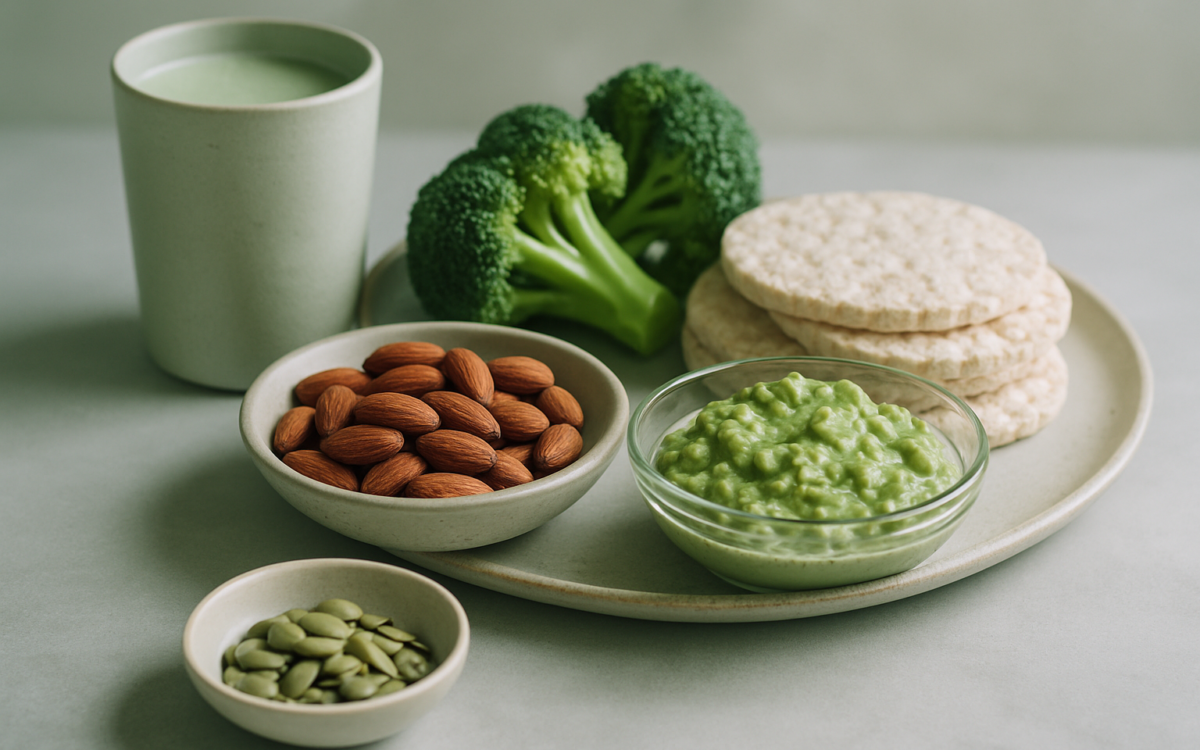
In today’s fast-paced world, snacking can be a challenge. With so many options available, it can be tough to make healthy choices, especially for those looking to reduce inflammation in their bodies. The good news is there are plenty of delicious snacks that not only satisfy your cravings but also contribute to overall wellness. By choosing anti-inflammatory snacks, you can support your health while still enjoying tasty treats.
Understanding Inflammation
Inflammation is a natural response by the body’s immune system to injury or infection. While it is a vital part of the healing process, chronic inflammation can lead to various health issues, including heart disease, diabetes, and arthritis. Factors like poor diet, stress, and lack of exercise can contribute to chronic inflammation.
Benefits of Anti-Inflammatory Snacks
Snacking on anti-inflammatory foods can help reduce overall inflammation, boost your immune system, and improve your long-term health. These snacks are typically rich in antioxidants, healthy fats, and essential nutrients that protect your body from oxidative stress and inflammation. Incorporating these foods into your diet can also help maintain a healthy weight and improve energy levels.
Top Anti-Inflammatory Snack Ideas
1. Nuts and Seeds
Nuts and seeds, such as almonds, walnuts, chia seeds, and flaxseeds, are packed with anti-inflammatory omega-3 fatty acids and antioxidants. A handful of these can make for a satisfying snack. Consider mixing different types for a variety of flavors and textures.
2. Fresh Fruits
Many fruits are high in vitamins, minerals, and fiber, all of which can help combat inflammation. Berries, cherries, oranges, and apples are excellent choices due to their high antioxidant content. Enjoy them on their own, sprinkle them in yogurt, or blend them into smoothies.
3. Vegetables with Hummus
Crisp, colorful vegetables like carrots, bell peppers, and celery paired with hummus make for a crunchy, nutritious snack. Hummus, made from chickpeas, also contains anti-inflammatory properties and is a great source of fiber and protein.
4. Whole-Grain Snacks
Switching to whole grains can be beneficial for reducing inflammation. Whole-grain crackers or air-popped popcorn can be tasty snacks when topped with healthy fats like avocado or seeds. Whole grains are high in fiber, which supports gut health and overall well-being.
5. Dark Chocolate
If you’re craving something sweet, reach for dark chocolate. Rich in antioxidants, particularly flavonoids, dark chocolate can help lower inflammation levels. Aim for chocolate that contains at least 70% cocoa for the most benefits, and enjoy in moderation.
Quick and Easy Recipes
1. Berry Parfait
Layer your favorite berries with yogurt and a sprinkle of nuts for a satisfying parfait. This snack is not only visually appealing but also packed with nutrients.
2. Avocado Toast
Spread avocado on whole-grain toast, adding slices of tomato or radish for extra crunch. This combination is rich in healthy fats and fiber.
3. Nutty Energy Bites
Mix oats, nut butter, honey, and your choice of nuts and seeds, then roll them into bite-sized balls. Refrigerate for a quick grab-and-go snack.
Making Healthy Choices
When selecting snacks, it’s important to be mindful of portion sizes and ingredients. Opt for whole, unprocessed foods whenever possible. Read labels and avoid snacks high in added sugars or unhealthy fats. Preparing your own snacks at home can help you control what goes into your food, ensuring you stick to anti-inflammatory choices.
When to See a Doctor
If you experience persistent pain, swelling, or other symptoms of inflammation that disrupt your daily life, it may be time to consult a healthcare professional. Conditions resulting from chronic inflammation can be serious, so getting professional advice is crucial.NIH advises regular health check-ups for those with ongoing issues.
Snacking smart doesn’t have to be complicated. By incorporating these anti-inflammatory snack options into your daily routine, you can enjoy delicious flavors while supporting your body’s health. Remember, every small change contributes to a greater impact on your well-being!
